Our reviews
101 fiction books we've reviewed, each with who it's for, who should skip it and every source we used.
101 reviews match
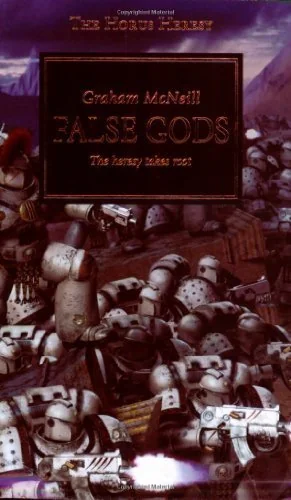
Graham McNeill
Best for: Readers already invested in the Horus Heresy series who have finished Horus Rising and want the pivotal, emotionally earned dramatisation of Warmaster Horus Lupercal's corruption and fall.
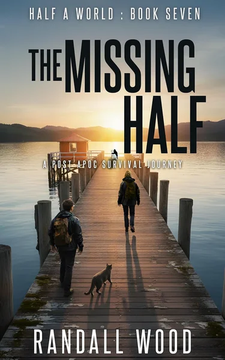
Randall Wood
Best for: Dedicated Half a World series readers who have followed all seven preceding volumes and want to see Jake, Anna, and the Shepherds reach their convergent, saga-closing climax.
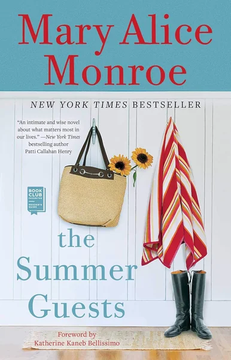
Mary Alice Monroe
Best for: Readers who love ensemble women's fiction with a strong sense of Southern place and a deep emotional investment in the human-animal bond — particularly fans of Elin Hilderbrand, Wendy Wax, or Monroe's own Beach House series looking for a propulsive, crisis-driven story about connection and renewal.
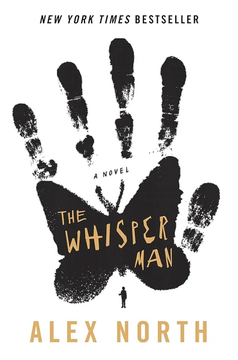
Alex North
Best for: Readers of psychological crime fiction who want a thriller driven as much by grief and parental love as by plot mechanics — particularly those drawn to stories where a child's perspective generates genuine dread and where the horror is rooted in loss rather than spectacle alone.
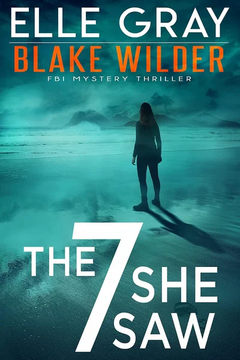
Elle Gray
Best for: Readers who enjoy FBI procedurals anchored by a psychologically specific protagonist and are happy to commit to a long-running series — particularly those drawn to the "peaceful town hiding dark secrets" thriller architecture paired with an agent whose personal grief is the direct engine of her career.
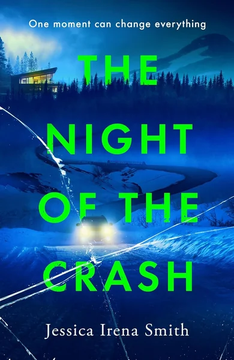
Jessica Irena Smith
Best for: Readers of domestic psychological thrillers who enjoy amnesia-driven premises rooted in family estrangement, and who are willing to invest in slow-burn emotional tension for the payoff of a genuinely unpredictable finale.
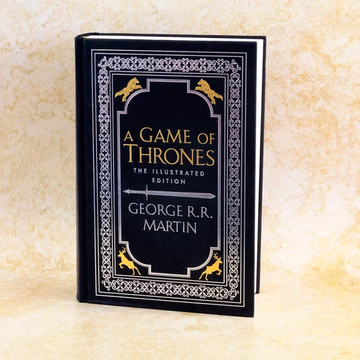
George R.R. Martin
Best for: Devoted fans of A Song of Ice and Fire, gift-givers seeking a definitive-feeling collector's object, and first-time readers who want a visually immersive introduction to the saga — especially those drawn to John Picacio's full-page chapter illustrations.
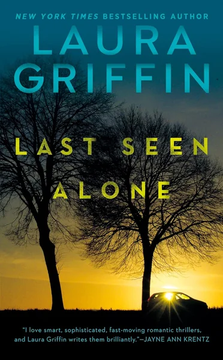
Laura Griffin
Best for: Romantic suspense fans who want a tightly plotted missing-person mystery anchored in a defined professional world — specifically readers who appreciate protagonists with real vocational identities (a digital-crimes attorney and a homicide detective) rather than genre-generic leads.
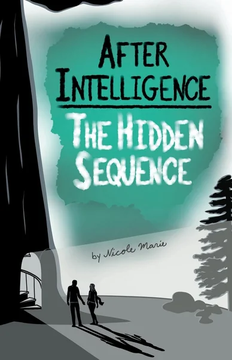
Nicole Marie
Best for: Readers aged 14 and up who want YA science fiction with genuine ethical weight — specifically the question of android consciousness and institutional accountability — wrapped in a boarding-school whodunit.
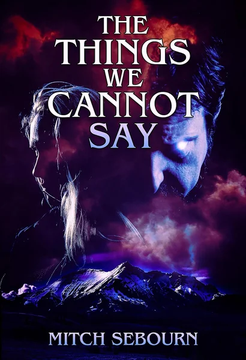
Mitch Sebourn
Best for: Horror fiction readers who came up on Stine-era genre paperbacks and want a lean, propulsive Kindle read from an emerging author with deep roots in the horror tradition.
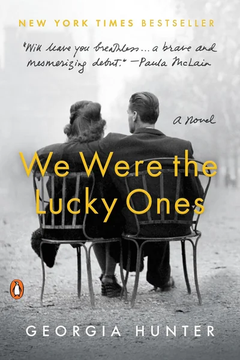
Georgia Hunter
Best for: Readers who love emotionally driven, research-anchored multi-generational wartime family epics — particularly book-club groups who want a sweeping, true-story-rooted Holocaust narrative spanning five continents.
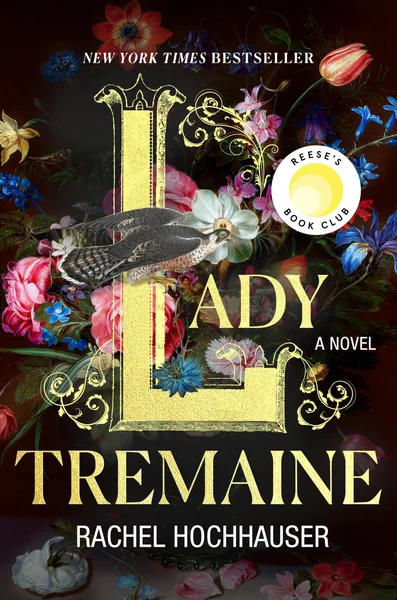
Rachel Hochhauser
Best for: Readers drawn to feminist historical fiction who want a fully rehabilitated "villain" — specifically those who enjoy class-conscious, survival-driven narratives and fairytale retellings that interrogate whose story gets told and why.
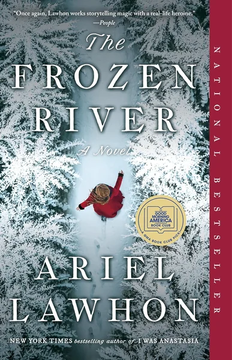
Ariel Lawhon
Best for: Readers drawn to women's history and early American life who want a historically grounded mystery anchored by a quietly formidable protagonist — particularly those who enjoy fiction built on real documented lives and legal-social stakes.
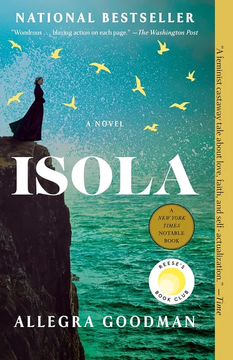
Allegra Goodman
Best for: Readers of literary historical fiction who are drawn to feminist survival narratives, single-protagonist interiority, and stories of largely forgotten women reclaimed from history — particularly those who enjoy Reese's Book Club selections with genuine literary depth.
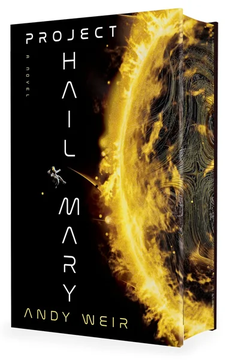
Andy Weir
Best for: Readers who love hard science fiction that doubles as a propulsive thriller — particularly fans of The Martian who want scientifically rigorous problem-solving, extinction-level stakes, and genuine emotional warmth delivered through a first-person, puzzle-driven narrative.
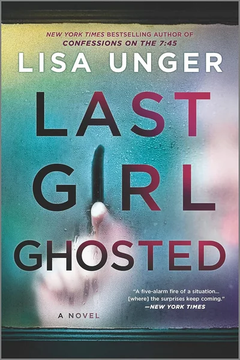
Lisa Unger
Best for: Readers drawn to first-person psychological thrillers where the narrator is as much a mystery as the central suspect, particularly those who find the anonymity of online dating culture genuinely unsettling.
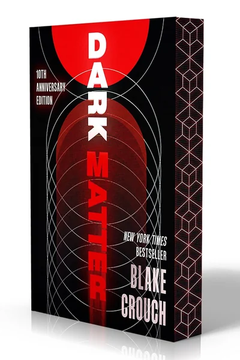
Blake Crouch
Best for: Readers who enjoy fast-paced speculative thrillers that use a high-concept science fiction premise — here, the many-worlds interpretation of quantum mechanics — as the engine for an emotionally grounded story about identity, regret, and the love of a specific family.
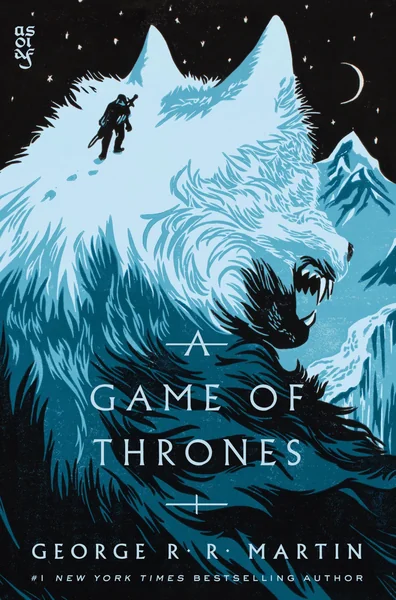
George R. R. Martin
Best for: Readers who relish densely plotted political fiction with a cast of morally compromised characters, high stakes across multiple storylines, and a willingness to see genre conventions upended — particularly those who can commit to a long, as-yet-unfinished series.
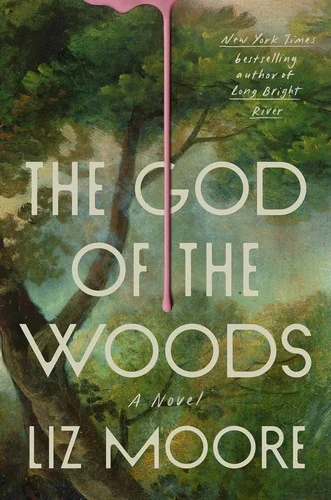
Liz Moore
Best for: Readers who want their crime fiction to carry the weight of a family saga and social novel — particularly those drawn to multi-timeline, ensemble-cast stories where class dynamics, parental failure, and community trauma matter as much as the mystery itself.
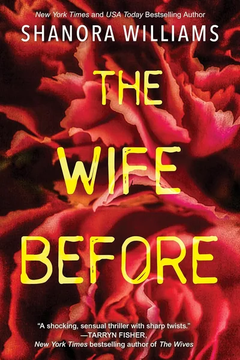
Shanora Williams
Best for: Readers who love emotionally intense, fast-moving domestic thrillers built around dark relationship dynamics, glamorous secrets, and genuinely shocking twists — particularly fans of Colleen Hoover's Verity looking for their next obsession.
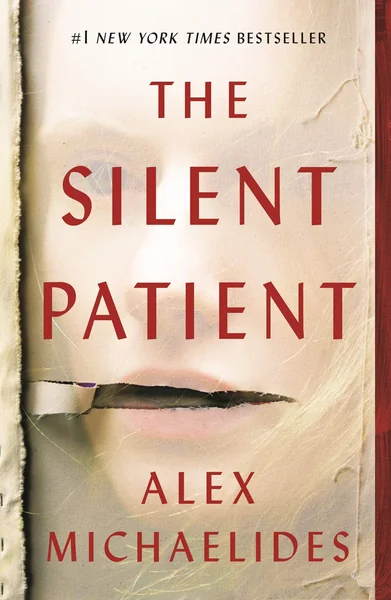
Alex Michaelides
Best for: Readers who love twist-driven psychological thrillers in the Agatha Christie tradition and want a fast-paced, structurally ingenious debut that carries genuine thematic weight — silence, trauma, and the ethics of therapy — alongside its propulsive plot.
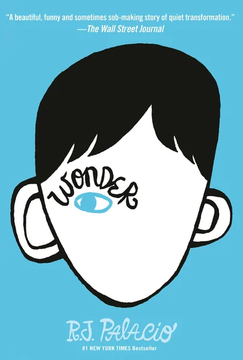
R. J. Palacio
Best for: Middle-grade readers aged nine to eleven — and the parents, teachers, or book-club facilitators who want a classroom-ready novel that opens honest conversations about difference, belonging, and the cost of cruelty.
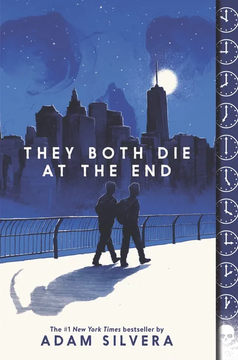
Adam Silvera
Best for: Readers aged 13 and up who want a character-driven YA romance that uses a high-concept speculative premise — a company that predicts the day you'll die — as a vehicle for emotionally precise exploration of mortality, identity, and LGBTQ+ love.
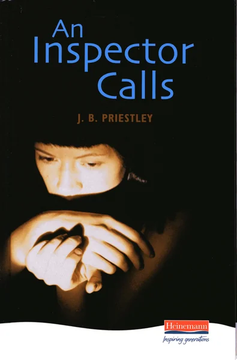
J.B. Priestley
Best for: Students tackling the play as a GCSE or IGCSE set text, and general readers seeking a compact, high-stakes theatrical argument about class, responsibility, and moral complicity that can be absorbed in a single sitting.
