
9 min read
4.4
· 3,361 Amazon ratingsShare This Review
Last Seen Alone by Laura Griffin Review: A Taut Romantic Thriller That Delivers
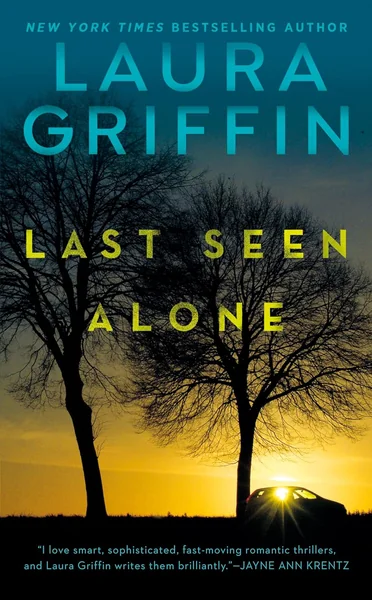
Last Seen Alone pairs attorney Leigh Larson and Austin homicide detective Brandon Reynolds in a race to find a missing woman whose only traceable connection is a business card left at a blood-soaked crime scene — a setup that drives both a propulsive mystery and a slow-burn romance. Published by Berkley in September 2021, the novel comes from a New York Times and USA Today bestselling author with more than thirty books to her name, and it earns the praise of peers who cite Griffin's sharp dialogue, tight plotting, and well-researched construction as hallmarks of the genre.
LuvemBooks Verdict
Best for
Romantic suspense fans who want a tightly plotted missing-person mystery anchored in a defined professional world — specifically readers who appreciate protagonists with real vocational identities (a digital-crimes attorney and a homicide detective) rather than genre-generic leads.
Worth it if
You enjoy romantic thrillers where the romance and the investigation are structurally entwined rather than running in parallel, and you don't need the genre formula to be subverted — just executed with craft and sustained pacing.
Skip if
Skip it if you're seeking a mystery that subordinates its romance entirely, or if the well-worn romantic-thriller scaffolding — forced partnership, ticking clock, escalating danger — tends to pull you out rather than pull you in, no matter how well it's executed.
What readers & critics say
Publishers Weekly calls it "a pulse-pounding romantic thriller" with "off-the-charts chemistry," praising Griffin's ability to juggle suspense and romance through to the final page. Criminal Element describes it as "a bravura thriller" that "guarantees a late night," while All About Romance deems it "a well-executed romantic suspense story that is sure to please fans of the author."
“Griffin delivers a pulse-pounding romantic thriller with off-the-charts chemistry, skillfully juggling suspense and romance right up until the adrenaline-fueled final page.”
— Publishers WeeklyAge & Reading Level
Recommended age
Adult
Reading level
Adult
3 content notes · who it suits
Content to know about
Best for: Adults — central themes of sexual extortion, digital harassment, and violence against women are integral to the plot.
Skip if you want a pure crime procedural with no romantic subplot, or you're sensitive to themes of sexual extortion and online abuse.
In This Review
- What Works & What Doesn't
- What the Book Is and What It Sets in Motion
- The Author's Standing and the Book's Place in the Genre
- Craft Strengths: Plot, Pacing, and the Central Partnership
- Honest Limitations: Familiar Architecture and Series Context
- Who This Book Is For
What Works & What Doesn't
What Works
- Tightly constructed missing-person mystery anchored in digital crimes and sexual extortion advocacy — Leigh's legal specialty feeds directly into the case rather than sitting beside it
- Publishers Weekly praises the novel's sustained pacing and Griffin's ability to balance suspense and romance through to the final page
- Peer endorsement from Jayne Ann Krentz specifically highlights 'sharp dialogue and a tight, well-researched plot' as defining strengths
- Fully standalone entry from a New York Times and USA Today bestselling, two-time RITA Award–winning author with a documented genre track record
- Dual-protagonist structure creates natural, credible conflict between a lawyer's confidentiality obligations and a detective's investigative needs
What Doesn't
- Follows familiar romantic-thriller conventions — forced partnership, ticking clock, escalating danger — that genre veterans will recognize as formula, however well executed
- The dual commitment to mystery and romance means neither element receives the depth a purely single-genre treatment might offer, which can frustrate readers seeking one over the other
What the Book Is and What It Sets in Motion
The Author's Standing and the Book's Place in the Genre
Craft Strengths: Plot, Pacing, and the Central Partnership
Honest Limitations: Familiar Architecture and Series Context
Who This Book Is For
Frequently Asked Questions
Sources & Further Reading
The key facts and claims in this review are grounded in the retrieved, verified sources listed below.
- Cited in this review
- 1
penguinrandomhouse.com
- 2
barnesandnoble.com
- 3
criminalelement.com
- Further reading
- 4
Laura Griffin, Wikipedia
- 5
- 6
thelitbitch.com
- 7
- 8
romance-reader.com
- 9
thereadingcafe.com
- 10
lifefullybooked.com
Related Reviews
Reviews of books we picked for readers who enjoyed Last Seen Alone.
Reader Comments
No comments yet
Be the first to share your thoughts!