
8 min read
4.3
· 70 Amazon ratingsShare This Review
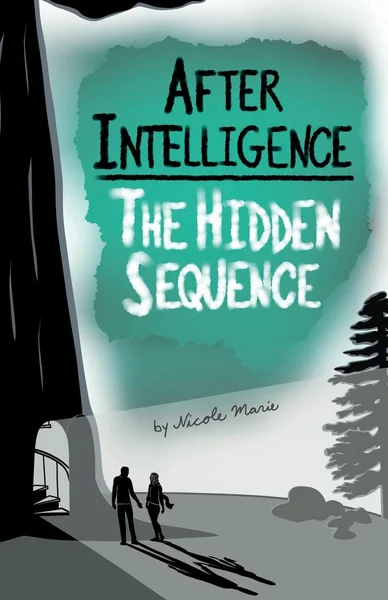
After Intelligence: The Hidden Sequence by Nicole Marie Review: A Smart YA Sci-Fi Series Opener
After Intelligence: The Hidden Sequence launches Nicole Marie's YA science fiction trilogy with a whodunit set inside Cognation Academy, where 15-year-old Charlotte Blythe and her friends must navigate android ethics, institutional deception, and a student-attack mystery — a high-energy debut that earned a positive notice from Publishers Weekly for its credibly constructed tech-school world, even as it leans on familiar genre tropes.
 Tap to enlarge
LuvemBooks Verdict
Best for
Readers aged 14 and up who want YA science fiction with genuine ethical weight — specifically the question of android consciousness and institutional accountability — wrapped in a boarding-school whodunit.
Worth it if
The combination of a tech-immersive academy setting, a morally serious mystery, and clear momentum toward a trilogy appeals to you more than a lighter, purely action-driven genre read.
Skip if
You prefer self-contained stories, find technology-heavy world-building more exhausting than energising, or have little patience for familiar YA structural patterns — friendship drama, betrayal arcs, and a romantic subplot — even when the central conceit is fresh.
What readers & critics say
Publishers Weekly praised Marie for credibly presenting Cognation Academy's class curriculum alongside institutional webs of lies in a high-energy whodunit, while cautioning that complex themes may deter younger readers and that the novel leans on familiar YA tropes. Kirkus Reviews characterised the sequel's setting — and by extension the series — as a cutting-edge boarding school for society's most gifted kids where the tone skews intellectual rather than mischievous, evoking Arthur C. Clarke more than J.K. Rowling.
“A cutting-edge boarding school serving as a testing ground for big, new ideas seeded among society's most gifted kids.”
— Kirkus Reviews“Smart cyber conundrums and intricate code-breaking meld enjoyably in this installment of a YA SF suspense series.”
— Kirkus ReviewsAge & Reading Level
Recommended age
Ages 14–18
Reading level
Young adult
3 content notes · who it suits
Content to know about
Best for: Ages 14+ — the density of technological world-building and ethical argumentation around android consciousness and institutional deception requires the reading stamina and comprehension Publishers Weekly associates with the older end of the YA range
Skip if you prefer self-contained stories with no familiar YA tropes and minimal technological world-building
In This Review
- What Works & What Doesn't
- What the Novel Is and What It Sets in Motion
- The Central Tension: Ethics, Technology, and Institutional Betrayal
- Strengths: World-Building and Sustained Momentum
- Genuine Limitations: Complexity and Trope Reliance
- Who This Book Is For and Where It Stands in the Series
What Works & What Doesn't
What Works
- Publishers Weekly credited Marie with credibly constructing Cognation Academy's class curriculum and the webs of institutional deception surrounding it
- Raises substantive ethical questions about android consciousness and the morality of experimental technology, giving the whodunit real stakes beyond physical danger
- Kirkus Reviews characterised the series tone as more intellectual than mischievous — closer to Arthur C. Clarke than J.K. Rowling — distinguishing it within the crowded boarding-school genre
- Designed as the opening of a three-book series with clear narrative architecture, giving readers a built-in reason to continue
What Doesn't
- Publishers Weekly noted that complex themes and explanations may deter younger or less patient readers within the YA audience
- The same review flagged the novel as trope-reliant, meaning the structural patterns of friendship drama, betrayal, and romantic subplot follow familiar YA genre conventions
What the Novel Is and What It Sets in Motion

The Central Tension: Ethics, Technology, and Institutional Betrayal
Strengths: World-Building and Sustained Momentum
Genuine Limitations: Complexity and Trope Reliance
Who This Book Is For and Where It Stands in the Series
Frequently Asked Questions
Sources & Further Reading
The key facts and claims in this review are grounded in the retrieved, verified sources listed below.
- 1
- 2
publishersweekly.com
- 3
kirkusreviews.com
Related Reviews
Reviews of books we picked for readers who enjoyed After Intelligence.


Reader Comments
No comments yet
Be the first to share your thoughts!