
8 min read
4.4
· 5,102 Amazon ratingsShare This Review
Lady Tremaine by Rachel Hochhauser Review: A Shattering, Triumphant Fairy Tale Retelling
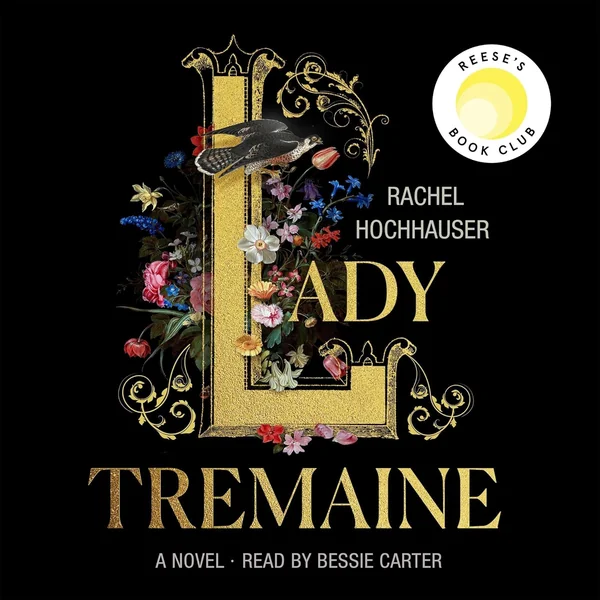
Rachel Hochhauser's debut novel Lady Tremaine — an Instant New York Times Bestseller, Reese's Book Club Pick, IndieNext Pick, and LibraryReads Pick — reimagines Cinderella's iconic stepmother as a fierce, fully realized protagonist fighting to secure her daughters' futures against impossible odds. The audiobook edition, narrated by Bessie Carter and released by Macmillan Audio on March 3, 2026, runs 12 hours and 41 minutes and delivers what blurb contributors and Reese's Book Club describe as a riveting, complex paean to women's strength.
LuvemBooks Verdict
Best for
Readers who love feminist fairy tale retellings with historical texture — particularly fans of Madeline Miller's Circe or Bridgerton-adjacent women's fiction — who want a sympathetic, fully dimensional villain-turned-heroine navigating widowhood, class anxiety, and maternal devotion.
Worth it if
Worth reading if you want the pleasures of a propulsive, plot-driven retelling that also takes its themes — motherhood, class precarity, and what it means to be the villain of someone else's story — with genuine literary seriousness.
Skip if
Skip it if you prefer grittier, darker, or more subversive fairy tale revisionism, or if you find the polished Bridgerton-inflected register too elevated and stylized for your taste.
What readers & critics say
Reese's Book Club selected it as its March 2026 pick, describing it as an exploration of motherhood, family, and the pressure to be perfect, while bookshelffantasies.com awarded it a five-star review. Squarebooks.com relays blurb praise for "spellbinding prose and haunting moral complexity," and girlinthepages.com calls it "exhilarating to its core" in an ARC review, with audiobooks.com noting a starred critical coverage review and the description "breathtakingly beautiful."
Sources: Reese's Book Club, Bookshelf Fantasies, Square Books, Girl in the Pages, Audiobooks.comAge & Reading Level
Recommended age
Adult
Reading level
Adult
2 content notes · who it suits
Content to know about
Skip if you prefer gritty, dark, or subversive fairy tale retellings over lush, elevated, romance-adjacent historical fantasy.
Lady Tremaine: Reese’s Book Club Pick (A Novel) by Rachel Hochhauser is Trending
Reese Witherspoon's Book Club Named Lady Tremaine a 2026 Pick
Reese Witherspoon's Book Club chose Rachel Hochhauser's debut novel Lady Tremaine as a 2026 selection, and readers are still buzzing about it. The book reimagines Cinderella's villain stepmother as a complex, sympathetic protagonist — and Reese's stamp of approval sent it straight to the New York Times bestseller list.
Lady Tremaine landed on readers' radar earlier this year when Reese Witherspoon's Book Club named it a 2026 pick — and it hasn't left the conversation since. The debut novel from Rachel Hochhauser flips the Cinderella story on its head, putting the infamous stepmother front and center as a woman doing whatever it takes to protect her daughters and hold onto a crumbling manor. The audiobook, narrated by Bessie Carter and running just over 12 hours, dropped in March 2026 via Macmillan Audio and has given even more readers a way in.
Reese's Book Club picks have a real track record of turning debuts into must-reads, and Lady Tremaine is no exception — it also earned IndieNext and LibraryReads honors, which means indie booksellers and librarians are equally enthusiastic. That kind of triple endorsement doesn't happen often for a first novel.
If you've ever felt a flicker of sympathy for the stepmother in Cinderella (or just love a good villain-rehab story), this one is squarely in your wheelhouse. It's a satisfying read for anyone who likes their fairy tales with more moral complexity and fewer glass slippers.
In This Review
- What Works & What Doesn't
- What the Novel Actually Is and Does
- Significance and Place in the Genre
- Craft and Storytelling Strengths
- Themes and Emotional Stakes
- Who This Novel Is For — and Where It Challenges
What Works & What Doesn't
What Works
- Instant New York Times Bestseller recognized also as a Reese's Book Club Pick, IndieNext Pick, and LibraryReads Pick — an exceptional achievement for a debut novel
- Praised across multiple blurbs for combining 'transporting prose' with 'a galloping plot,' delivering both literary craft and narrative momentum
- Transforms Lady Etheldreda Tremaine from a flat fairy tale villain into a fully realized, sympathetic protagonist navigating widowhood, class precarity, and maternal devotion
- Described by contributors and the publisher as rich in historical plausibility and nuanced characterization, satisfying readers who want depth alongside the retelling's fantasy elements
- Narrated by Bessie Carter for the Macmillan Audio edition, offering a professionally produced unabridged audiobook of 12 hours and 41 minutes
What Doesn't
- The Bridgerton-meets-Circe positioning — lush, elevated, and stylized — may not suit readers who prefer grittier or more subversive takes on fairy tale revisionism
- Arriving with the weight of Instant New York Times Bestseller status and a Reese's Book Club selection, the novel faces outsized expectations that highly hype-sensitive readers may find difficult to set aside
What the Novel Actually Is and Does
Significance and Place in the Genre
Craft and Storytelling Strengths
Themes and Emotional Stakes
Who This Novel Is For — and Where It Challenges
Frequently Asked Questions
Sources & Further Reading
The key facts and claims in this review are grounded in the retrieved, verified sources listed below.
- Cited in this review
- 1
- 2
parnassusbooks.net
- 3
inkandimaginings.com
- Further reading
- 4
reesesbookclub.com
- 5
wellesleybooks.com
- 6
bookshelffantasies.com
- 7
- 8
girlinthepages.com
- 9
- 10
Related Reviews
Reviews of books we picked for readers who enjoyed Lady Tremaine.
Reader Comments
No comments yet
Be the first to share your thoughts!