Our reviews
1,017 books, each with who it's for, who should skip it, reading level and content notes, and every source we used.
405 reviews match
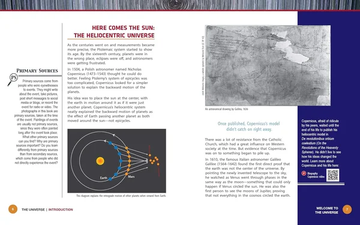
Matthew Brenden Wood
Best for: Middle school students aged 12–15 with a budding curiosity about cosmology who thrive with hands-on, inquiry-based learning — and the teachers or homeschool educators looking for a standards-aligned STEM supplement for grades 7–9.
Siqi Ai
Best for: Students and scholars of modern Chinese history, Marxist philosophy, or the history of political thought who want access to a primary text long central to Chinese intellectual life, now available in full English translation for the first time.
Libby Gelman-Waxner
Best for: Fans of sharp comic writing who enjoy Hollywood satire delivered through a fully inhabited fictional persona — particularly readers who appreciate humor that doubles as cultural observation about early-nineties film and its audience.
National Geographic
Best for: Students and curious general readers who want a single, visually navigable reference spanning all major scientific disciplines — from the universe and earth sciences to mathematics — without needing specialist or post-introductory depth in any one field.
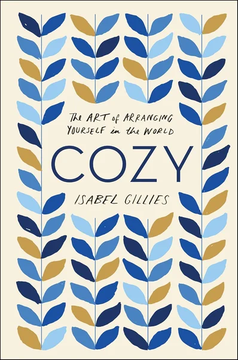
Isabel Gillies
Best for: Readers drawn to the slow-living or intentional-living space who want a warmly argued, memoir-inflected case for treating everyday comfort as a conscious act of self-respect — especially those who found the hygge conversation compelling but want something rooted in a more individual, less culturally specific voice.
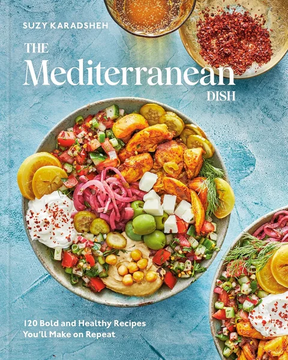
Suzy Karadsheh
Best for: Home cooks — particularly those in American kitchens with little prior experience of Levantine or North African pantry staples — who want a practical, weeknight-friendly introduction to the full breadth of Mediterranean cooking, grounded in genuine cultural biography rather than generic diet advice.
Thought Catalog
Best for: Readers who have already engaged with Brianna Wiest's The Mountain Is You and want a structured, officially authorized tool to translate its framework on self-sabotage and conflicting psychological needs into personal, written reflection.
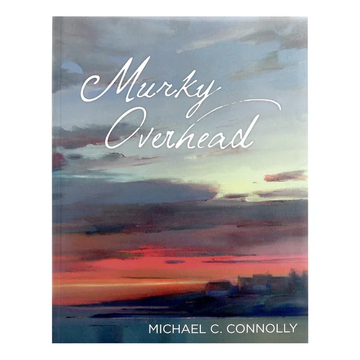
Michael C. Connolly
Best for: Readers drawn to character-driven historical fiction who have ties to Irish-American heritage, Maine's Munjoy Hill community, or working-class immigrant narratives and want a richly researched, intimate portrait of one family's day rather than a sweeping epic.
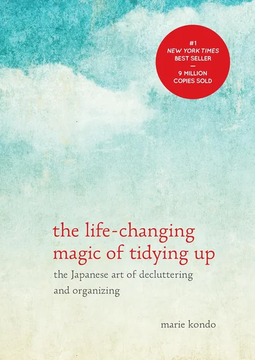
Marie Kondō
Best for: Readers fatigued by cyclical clutter who are ready to commit to a single, comprehensive overhaul of their relationship with possessions — particularly those drawn to minimalism, intentional living, or Japanese domestic philosophy.
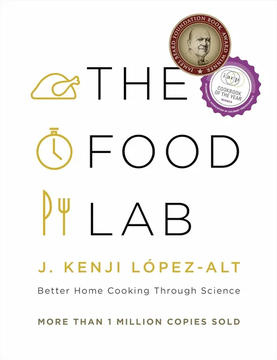
J. Kenji López-Alt
Best for: Curious home cooks who want to understand the mechanics of why cooking techniques work — not just follow recipes — and are willing to invest time in a dense, encyclopedic reference built around everyday American dishes.
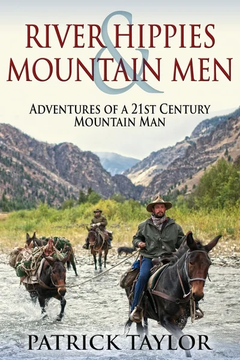
Patrick Taylor
Best for: Readers who love American wilderness non-fiction and Western backcountry culture — especially fans of the earlier Texas Yeti books looking for Taylor's account of his two-year working apprenticeship among the river guides and mountain men of Idaho's Frank Church Wilderness.
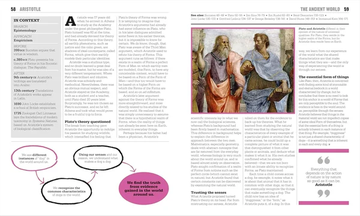
DK
Best for: Curious general readers — students encountering philosophy for the first time, self-directed adult learners, and librarians building reference collections — who want a single, navigable volume covering the full arc of Western and Eastern philosophical thought with strong visual support and biographical context.
Myquillyn Smith
Best for: The hands-on homeowner — particularly women who feel overwhelmed by their spaces or stuck in a cycle of buying without achieving the atmosphere they want — who is looking for a room-by-room, budget-conscious process with a philosophical anchor rather than a purely visual reference.
Barry Hoffner
Best for: Readers drawn to emotionally frank grief memoirs and immersive travel writing — particularly those who appreciate the confessional introspection of Cheryl Strayed's Wild or the globe-spanning curiosity of Paul Theroux — and who want a book that interrogates what it means to find belonging in the world rather than in a single place or person.
The Philosophy School
Best for: Readers who are entirely new to Stoicism and want a fast, logically sequenced orientation to its core principles — the Dichotomy of Control, the four cardinal virtues, and the key figures of Epictetus, Seneca, and Marcus Aurelius — before deciding whether to go deeper.
David McCullough
Best for: Devoted McCullough readers — and anyone who wants an intimate, behind-the-curtain look at how he thought about craft, curiosity, and the civic necessity of narrative history — who are already familiar with at least one of his major biographies.
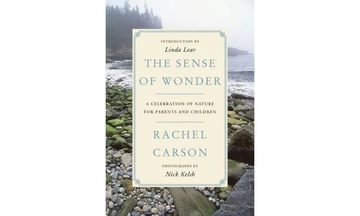
Rachel Carson
Best for: Parents, grandparents, caregivers, and educators who want a philosophically rich, literary case for why sharing the natural world with children matters — and who need inspiration rather than a step-by-step activity plan.
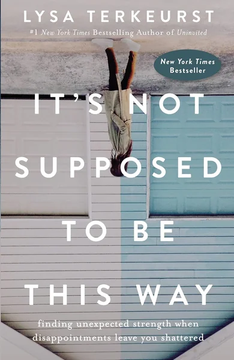
Lysa TerKeurst
Best for: Christian women — particularly those in the middle of acute crisis such as betrayal, illness, or unanswered prayer — who want a blend of raw personal memoir, Scripture-grounded guidance, and small-group-ready structure rather than a detached theological study.
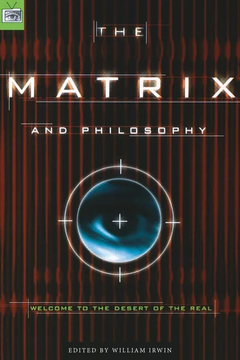
William Irwin
Best for: Philosophy-curious readers who want a rigorous, multi-perspective introduction to Western philosophical traditions — epistemology, metaphysics, ethics, existentialism — organised around a film they already know and care about.
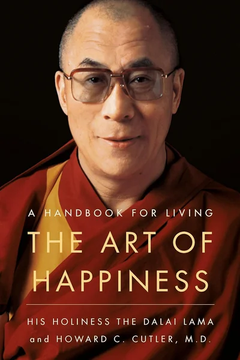
Dalai Lama
Best for: Secular or spiritually curious readers who want a practical, accessible introduction to happiness as a trainable discipline — and who welcome Buddhist contemplative wisdom filtered through a Western clinical lens rather than a primary philosophical or religious text.
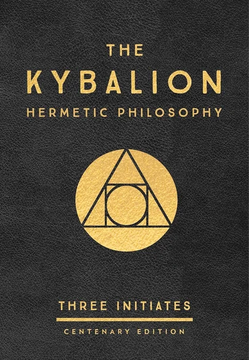
Three Initiates
Best for: Longstanding students of esoteric and occult literature who want a definitive, collectible hardcover edition of a foundational Hermetic text, and curious newcomers to Hermetic philosophy who will benefit from Richard Smoley's scholarly introduction as an entry point.
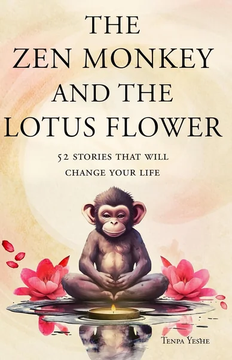
Tenpa Yeshe
Best for: Readers navigating modern stress, negative self-talk, or a general sense of disconnection who want an accessible, Buddhist-influenced entry point they can work through one short story per week, with no prior knowledge of the tradition required.
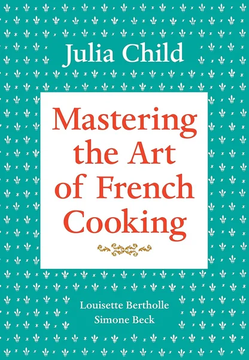
Julia Child, Louisette Bertholle, Simone Beck
Best for: Cooks who want to understand French technique from first principles — and anyone interested in the history of American food culture who wants both a practical reference and a primary document of a culinary turning point.
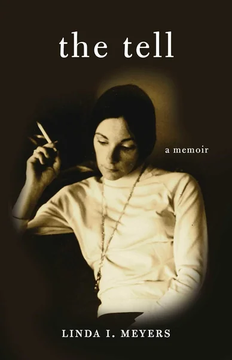
Linda I. Meyers
Best for: Readers drawn to Jewish-American family memoir and mid-twentieth-century social history — particularly those who appreciate non-linear, essay-based structures that build emotional truth gradually rather than driving toward a single narrative climax.
