
8 min read
Share This Review
Stoicism: A Beginner's Guide to the Core Ideas by The Philosophy School Review: A Focused Primer for New Stoics
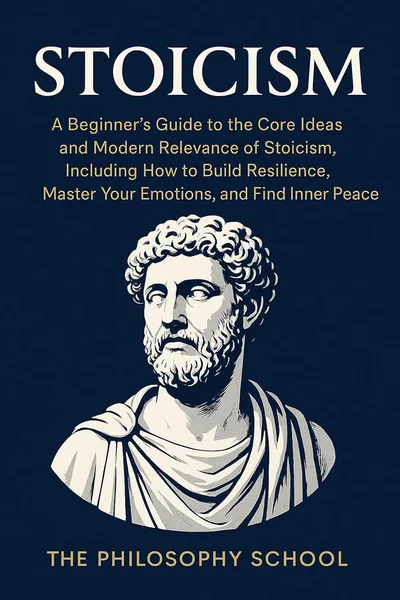
Published in August 2025 as a Kindle edition, Stoicism: A Beginner's Guide to the Core Ideas by The Philosophy School is a compact introduction to Stoic philosophy — tracing its origins with Zeno of Citium through the Roman figures of Epictetus, Seneca, and Marcus Aurelius — and designed to make the school's core principles, including the Dichotomy of Control and the four cardinal virtues, accessible to readers coming to the subject for the first time.
LuvemBooks Verdict
Best for
Readers who are entirely new to Stoicism and want a fast, logically sequenced orientation to its core principles — the Dichotomy of Control, the four cardinal virtues, and the key figures of Epictetus, Seneca, and Marcus Aurelius — before deciding whether to go deeper.
Worth it if
Worth reading if you want a compressed, essentials-first framework overview of Stoic philosophy with enough historical context (from Zeno's Athens through Roman Stoicism) to make the practical content meaningful, and you're approaching it as a primer rather than a standalone philosophical treatment.
Skip if
Skip it if you've already read Meditations, the Enchiridion, or any contemporary Stoic introduction such as Ryan Holiday's or William Irvine's work — the guide's strictly introductory scope offers little new ground and deliberately sidesteps debates and critiques within the tradition.
Ask LuvemBooks
Was this helpful?
- Is it worth reading?
- For its intended audience — readers approaching Stoicism for the first time — the guide delivers genuine value: a logically sequenced, plain-language overview of the philosophy's core principles without academic prerequisite. Its coverage of Stoicism's full arc from Zeno of Citium through Marcus Aurelius also provides enough historical grounding to give the practical content real context. However, readers who have already worked through Meditations, Epictetus's Discourses, or contemporary introductions such as Ryan Holiday's or Massimo Pigliucci's work will find the ground already familiar — this is a primer and framework overview, not a work of sustained philosophical argument.
- Similar books
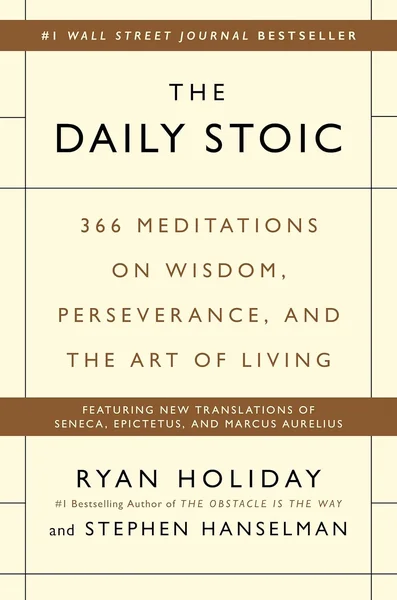
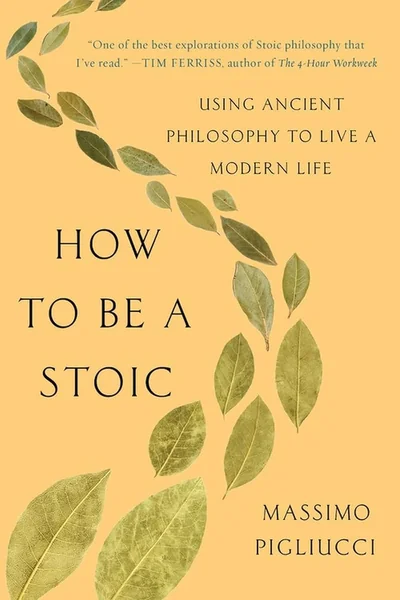
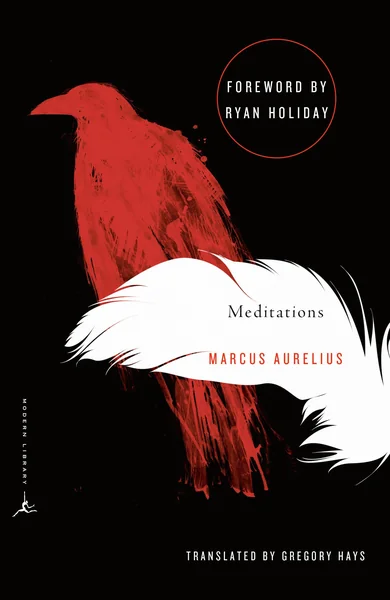
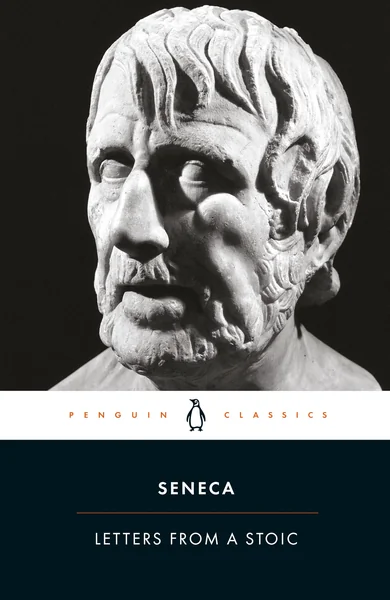
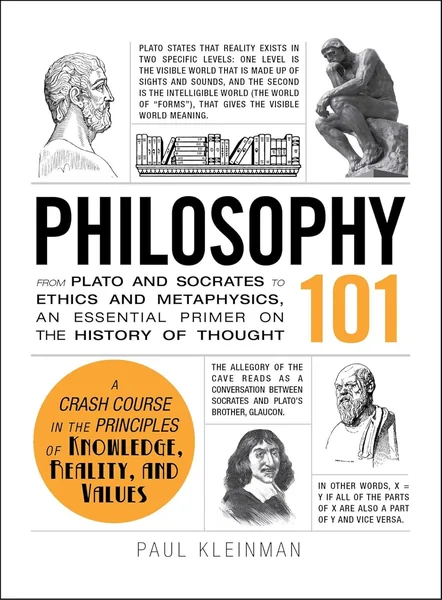
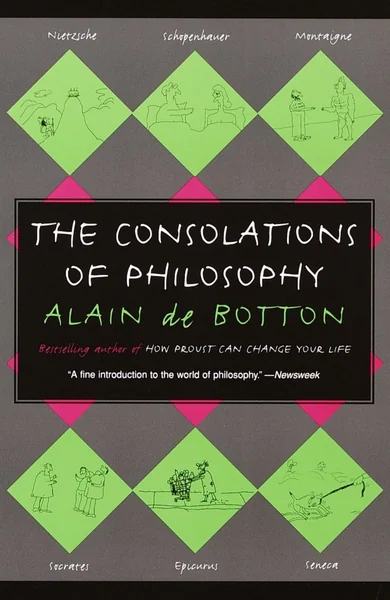
- Readers who enjoy this guide and want to go deeper have strong options at every level. Marcus Aurelius's Meditations and Seneca's Letters from a Stoic are the primary Roman Stoic texts the guide draws on — the natural next step for those ready to engage with the philosophy firsthand. Ryan Holiday and Stephen Hanselman's The Daily Stoic offers a year-long, meditation-by-meditation entry into Stoic practice, while Massimo Pigliucci's How to Be a Stoic: Using Ancient Philosophy to Live a Modern Life provides a more critically engaged contemporary introduction. For readers interested in broadening beyond Stoicism, Alain de Botton's The Consolations of Philosophy and Paul Kleinman's Philosophy 101 offer accessible surveys of the wider philosophical tradition.
- Who should read this?
- This guide is squarely aimed at readers approaching Stoicism — and possibly philosophy more broadly — for the first time, with no academic background assumed. It is also a good fit for readers who want a fast, structured orientation before deciding whether to commit to primary Stoic texts, or those seeking a refresher on the philosophy's core framework without working through a full-length treatment. Readers already familiar with Meditations, Epictetus's Discourses, or contemporary Stoic titles will likely find its scope too limited, and those seeking engagement with debates within the tradition — such as the tension between Stoic and Epicurean frameworks — should look beyond a beginner's guide.
- What are the main themes?
- The guide centres on four interlocking Stoic themes: the Dichotomy of Control (distinguishing what lies within our power from what does not), the four cardinal virtues of wisdom, courage, justice, and self-discipline, the idea that a good life flows from character rather than external circumstance, and Stoicism as a practical 'survival strategy' applicable to contemporary life. It also gives meaningful weight to the historical development of these ideas — from Zeno of Citium's founding of the school beneath the Stoa in Athens, through the Roman Stoics whose preserved writings became the tradition's most enduring texts.
- What are the book's limitations?
- The guide's most significant limitation is its strictly introductory scope: it introduces and explains Stoicism rather than critiquing or contextualising debates within the tradition, such as the longstanding tension between Stoic and Epicurean frameworks or questions about how faithfully modern applications reflect ancient doctrine. It does not engage with primary-source fragments from the early Greek Stoics, nor with the finer distinctions between Greek and Roman Stoicism. Additionally, at its publication, it is available only as a Kindle edition, which limits access for readers who prefer print.
- How much history does it cover?
- The guide covers Stoicism's full historical arc, beginning with Zeno of Citium — a merchant who lost everything in a shipwreck and began teaching philosophy outdoors in Athens around 300 BCE beneath a covered walkway called a Stoa, which gave the school its name. It then traces the philosophy's migration into the Roman world, where the writings of Epictetus, Seneca, and Marcus Aurelius became its most enduring texts. That said, the historical coverage is framed in service of the practical content: the book leads with foundational claims rather than chronological history, so the historical grounding provides context rather than being the primary focus.
Summarize this book
Follow up
Synthesized from verified book data & published reviews · How we review
Press Enter to ask. Answers come from our editorial Q&A — start typing to see related questions.
Age & Reading Level
Recommended age
Adult
Reading level
Adult
who it suits
Skip if you're looking for critical engagement with debates within the Stoic tradition or a resource that goes beyond introductory-level explanation.
Our Review
What the Book Is and What It Covers
The Central Argument and Core Principles
Strengths: Accessibility and Practical Framing
Limitations and Who May Find It Insufficient
Who This Guide Is For and Where It Sits in the Genre
Sources & Further Reading
The key facts and claims in this review are grounded in the retrieved, verified sources listed below.
- Cited in this review
- 1
- 2
- 3
modernstoicism.com
- Further reading
- 4
- 5
ericsandroni.com
- 6
- 7
- 8
Books like Stoicism
Curated picks for readers who enjoyed Stoicism, with our reasoning for each match.
If you liked Stoicism
Why It’s Trending
Stoicism Is Having a Moment — And Readers Are Looking for a Clear Starting Point
Interest in Stoic philosophy has been building steadily as people look for practical tools to manage uncertainty and stress. This beginner-friendly guide is picking up readers who want a no-nonsense entry point into ideas that feel more relevant than ever right now.