BOOKS
Published

Read Time

7 min read

Reader rating

4.8

· 5,507 Amazon ratings
reader ratings, not a LuvemBooks score
Curated & edited by

LuvemBooks Editorial

How we create our reviews →
Share This Review

The Kybalion: Centenary Edition by Three Initiates Review: A Landmark Hermetic Text, Beautifully Commemorated

The Kybalion: Centenary Edition, published by Tarcher in 2018, is a commemorative hardcover reissue of the enduring occult classic attributed to "Three Initiates," enriched by a new introduction from mysticism scholar Richard Smoley — making it an essential acquisition for serious students of Hermetic philosophy and esoteric tradition.

LuvemBooks Verdict

Best for

Longstanding students of esoteric and occult literature who want a definitive, collectible hardcover edition of a foundational Hermetic text, and curious newcomers to Hermetic philosophy who will benefit from Richard Smoley's scholarly introduction as an entry point.

Worth it if

You approach The Kybalion as a serious, slow-burning philosophical study — returning to its seven Hermetic principles repeatedly — and value the commemorative design and added scholarly context this Centenary Edition provides over bare-text versions.

Skip if

You are expecting a systematically argued philosophical treatise with historical citations and evidentiary support, or if the unresolved authorship debate and the text's claimed ancient sources are likely to undermine your engagement with its metaphysical premises.

Audible describes The Kybalion as "a seminal work in modern occultism and New Thought philosophy," often attributed to William Walker Atkinson, purporting to reveal the esoteric wisdom of Hermes Trismegistus. Barnes & Noble frames the Centenary Edition as a commemorative restoration of "the most popular occult work of the twentieth century," now returned to hardcover with a scholarly introduction.

Sources: Audible, Barnes & Noble
4.8from 5,507 Amazon ratings— reader ratings, not a LuvemBooks score
In This Review
  • What Works & What Doesn't
  • What This Book Is and What It Contains
  • The History and Enduring Debate Around Its Origins
  • The Value Added by This Centenary Edition
  • Genuine Limitations and Who May Struggle With It
  • Who This Edition Is For

What Works & What Doesn't

What Works
  • Centenary hardcover design evokes the 1908 first edition, giving the volume a commemorative, collectible character
  • New introduction by Richard Smoley, a recognised scholar of mystical traditions, provides scholarly context absent from earlier editions
  • Presents all seven core Hermetic principles in the text's original aphoristic style, offering a complete version of the foundational work
  • Publisher Tarcher (Penguin Random House) brings wide distribution and a reputable imprint to a text that circulated for decades in less standardised editions
What Doesn't
  • The text's dense, oracular prose demands slow, repeated reading — not suited to readers seeking a straightforward or discursive philosophical argument
  • The longstanding unresolved debate over authorship and the text's claimed ancient sources gives academically minded readers reason to approach its premises critically
The publisher's description calls it "the most popular occult work of the twentieth century" — a claim this edition's very existence helps substantiate.

What This Book Is and What It Contains

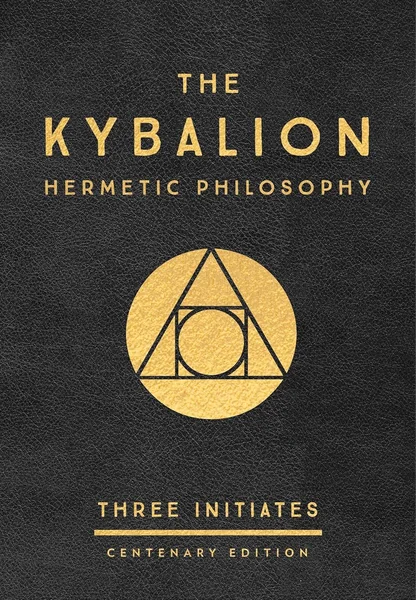
The Kybalion: Centenary Edition by Three Initiates front cover
The Kybalion is an esoteric text presenting what its anonymous authors — known only as "Three Initiates" — describe as the foundational principles of Hermetic philosophy. The work is organised around seven core Hermetic laws, including the principles of Mentalism, Correspondence, Vibration, Polarity, Rhythm, Cause and Effect, and Gender. These principles are framed as distillations of ancient wisdom attributed to Hermes Trismegistus, the mythologised sage at the root of the Hermetic tradition. The book functions as both an instructional guide to this philosophical system and a meditative text, written in a declarative, aphoristic style intended to provoke contemplation rather than offer simple explanation.
the most popular occult work of the twentieth century

The History and Enduring Debate Around Its Origins

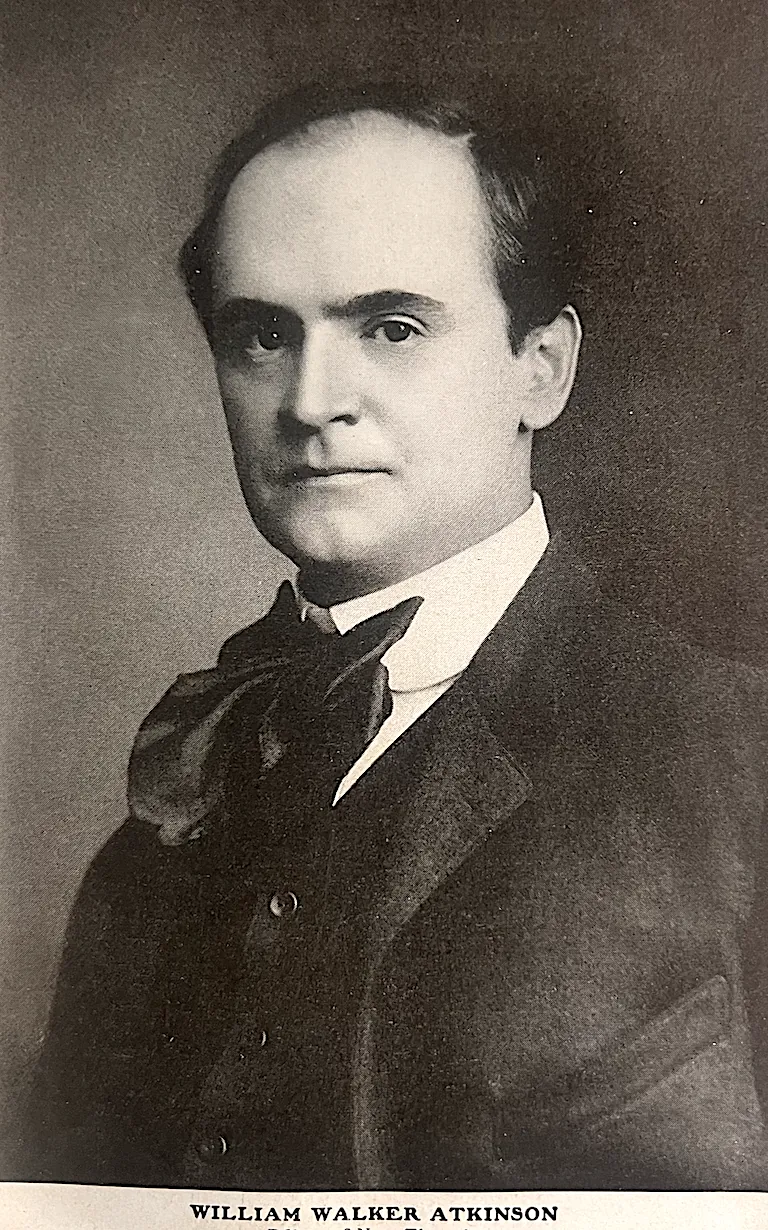
First published in 1908 by the Yogi Publication Society, The Kybalion has generated sustained discussion across more than a century — not only about the ideas it contains, but about who actually wrote it. The authorship attributed to "Three Initiates" remains one of the book's defining mysteries, and for generations, readers and scholars have debated the identity of these figures and the true provenance of the text. Scholarship has pointed to William Walker Atkinson as a likely author, though the question has never been settled to universal satisfaction. This atmosphere of mystery has been integral to the text's cultural life, feeding its reputation as an occult landmark rather than a conventional philosophical treatise.

The Value Added by This Centenary Edition

What distinguishes this 2018 Tarcher hardcover from earlier printings is the package built around the core text. The edition is designed to evoke the appearance of the 1908 first edition, framing it as a commemorative object as much as a reading copy. More substantively, it features a new introduction by Richard Smoley, described by the publisher as a celebrated scholar of mystical traditions. Smoley's contribution gives readers a historically grounded entry point into the text, situating The Kybalion within the broader landscape of esoteric and Hermetic literature. The result, as Penguin Random House describes it, is "a historical keepsake" — an edition designed for those who want both the text and a scholarly framework around it.

Genuine Limitations and Who May Struggle With It

The Kybalion is not a text that yields itself to casual reading. Some readers note that it demands careful, repeated engagement — one reader's review, surfaced on Amazon, captures this plainly: the book requires that readers "truly absorb to understand." The writing is dense, aphoristic, and deliberately oracular, prioritising spiritual assertion over discursive argument. Readers approaching it with an expectation of systematic philosophical reasoning or historical citation will find it frustrating; the text makes bold metaphysical claims without offering conventional evidentiary support. Additionally, the ongoing scholarly debate over its authorship and the authenticity of its claimed ancient sources means that academically minded readers may approach its premises with significant skepticism.

Who This Edition Is For

The Centenary Edition is aimed squarely at two overlapping audiences: longstanding students of esoteric and occult literature who want a definitive physical edition of a text they already value, and newcomers to Hermetic philosophy seeking a well-presented entry point with scholarly scaffolding. Richard Smoley's introduction makes the latter use case more viable than earlier bare-text editions. Some reader responses note that the edition's physical presentation — its design nod to the original volume — adds to its appeal as a collectible, though reactions to its production quality have been mixed among readers. Those already familiar with the text through other formats, such as audiobook or paperback, have cited the Centenary Edition as a useful companion for returning to specific passages.

Sources & Further Reading

The key facts and claims in this review are grounded in the retrieved, verified sources listed below.

  1. Cited in this review
  2. 1
  3. 2
  4. Further reading
  5. 3

    yogebooks.com

  6. 4
  7. 5