7 min read
4.6
· 3,619 Amazon ratingsShare This Review
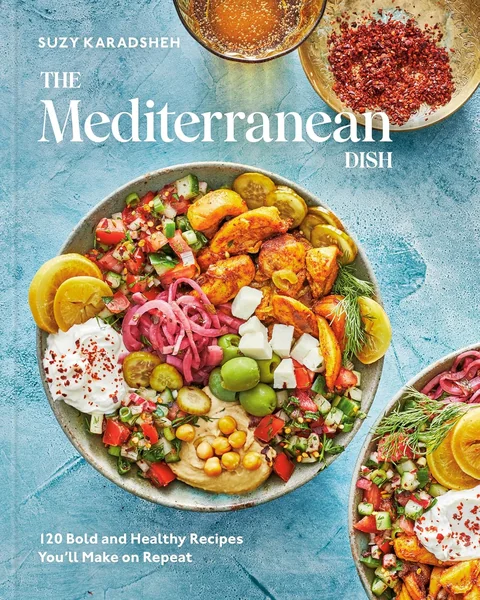
The Mediterranean Dish by Suzy Karadsheh Review: A Bold, Weeknight-Ready Debut Cookbook
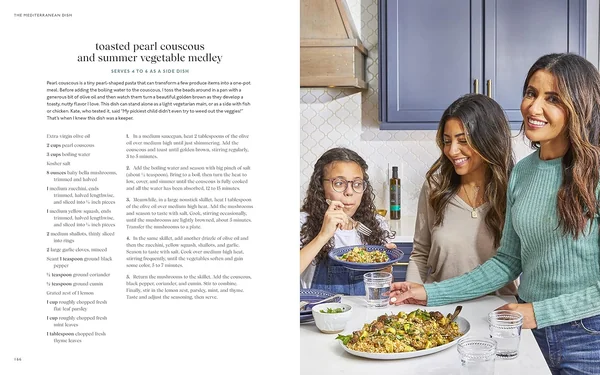
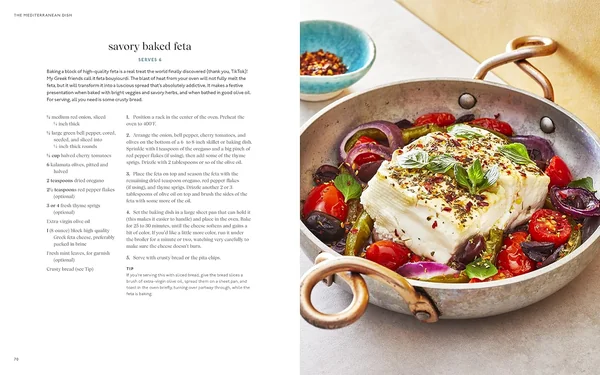
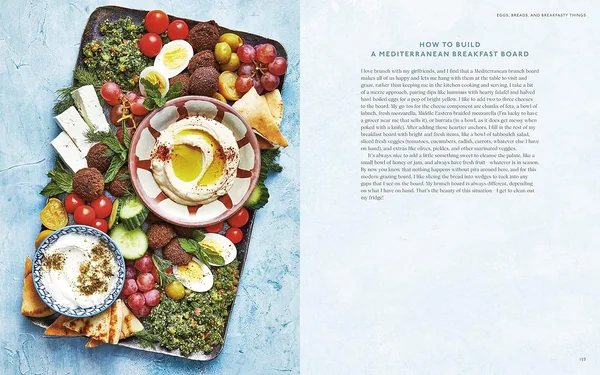
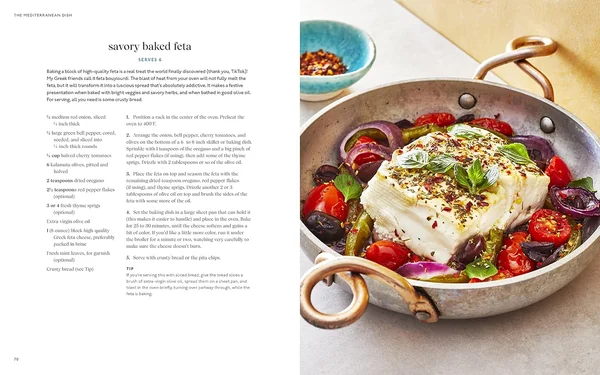
Suzy Karadsheh's New York Times bestselling debut cookbook translates the cross-cultural flavors of the Mediterranean — spanning Greece, southern Spain, Jordan, Tunisia, Egypt, and beyond — into more than 120 weeknight-accessible recipes designed for American home kitchens, backed by the enormous following her pioneering Mediterranean food blog has built over the years.
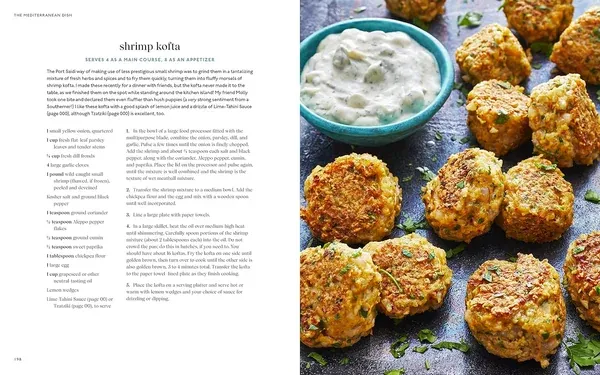
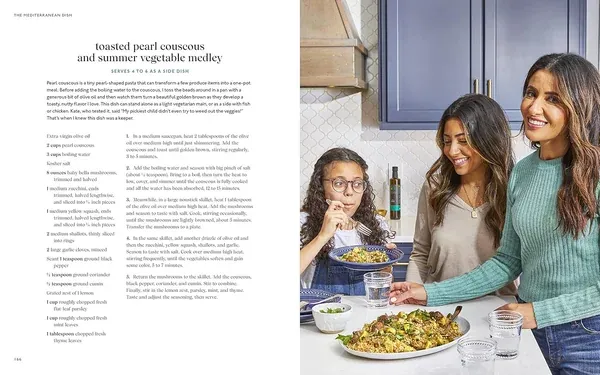
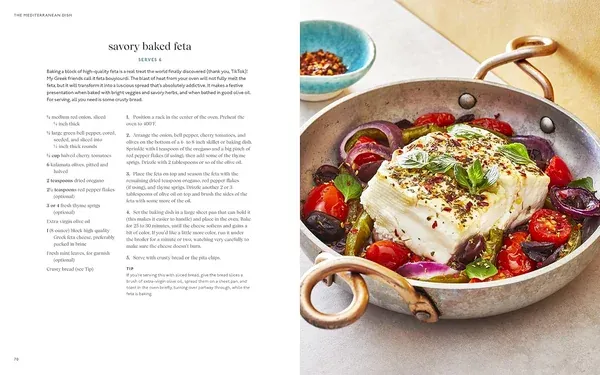 Tap to enlarge
LuvemBooks Verdict
Best for
Home cooks — particularly those in American kitchens with little prior experience of Levantine or North African pantry staples — who want a practical, weeknight-friendly introduction to the full breadth of Mediterranean cooking, grounded in genuine cultural biography rather than generic diet advice.
Worth it if
You want more than 120 culturally specific, accessible recipes spanning Greece, Spain, Egypt, Jordan, and Tunisia, written by someone whose personal biography — growing up in Port Said, Egypt and cooking across continents — gives the cuisine authentic grounding.
Skip if
You are already deeply versed in Mediterranean and Middle Eastern cuisines and are looking for advanced technique, culinary scholarship, or genuinely novel preparations beyond the classic repertoire.
What readers & critics say
The book debuted as a New York Times bestseller, with penguinrandomhouse.com describing it as the long-awaited print extension of "the leading site for modern Mediterranean cooking and lifestyle with millions of readers." Yasminealimd.com, reviewed by a cardiologist, called it "a winner" for heart-healthy Mediterranean cooking, noting Karadsheh has done "a fantastic job" of making the cuisine both healthy and delicious.
Sources: Penguin Random House, yasminealimd.comPreview the book
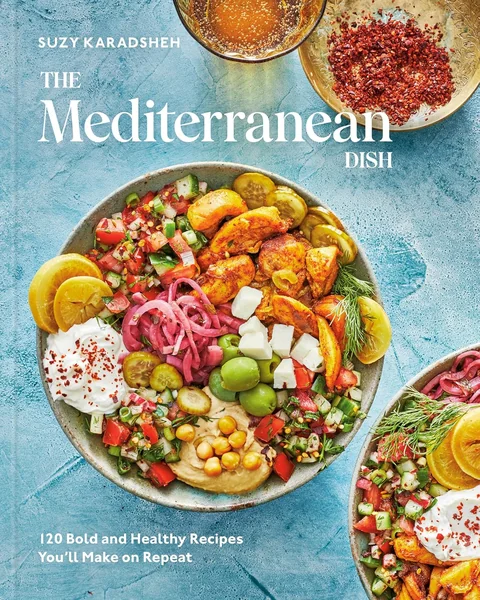
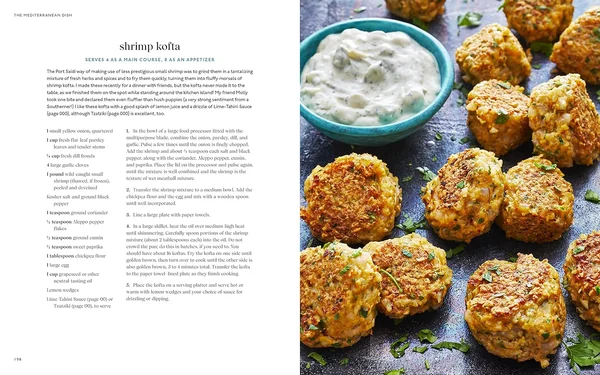
Ask LuvemBooks
Was this helpful?
- Is it worth reading?
- For home cooks who want to explore the breadth of Mediterranean cuisine — from Egyptian and Levantine to Greek and Spanish — without needing specialist ingredients or advanced technique, this is a strong, well-endorsed entry point. The book landed on the New York Times bestseller list and drew praise from credible culinary voices including Lidia Matticchio Bastianich, Gina Homolka, and Andy Baraghani, reflecting genuine industry respect. The key caveat: the weeknight-friendly, accessibility-first design deliberately trades depth of technique for approachability, and cooks already deeply versed in Mediterranean or Middle Eastern cuisines may find the classic preparations familiar rather than revelatory.
- Similar books
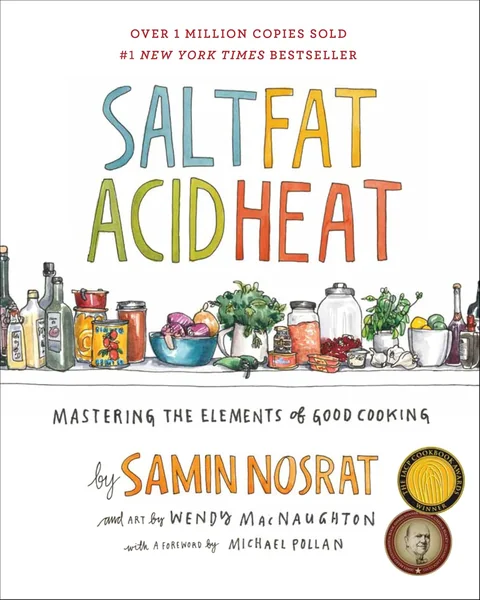
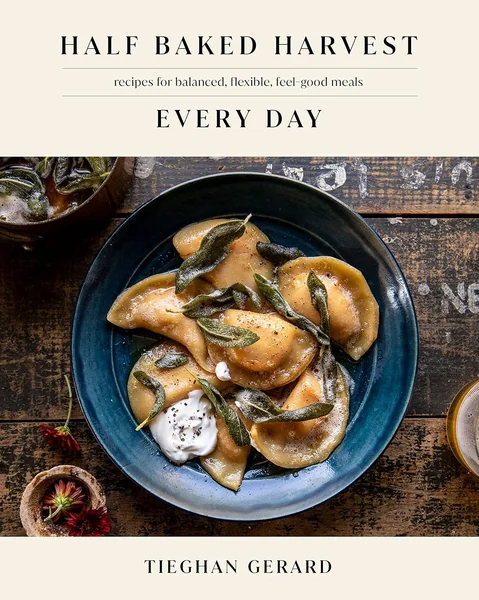
- Readers who enjoy The Mediterranean Dish may want to explore Ottolenghi Flavor by Yotam Ottolenghi, Ixta Belfrage, and Tara Wigley for a more technique-forward take on bold, vegetable-driven flavors from a similar cultural geography. The Tucci Cookbook by Stanley Tucci offers another personal, biography-rooted approach to Mediterranean (specifically Italian) cooking. For home cooks drawn to the approachable, blog-to-book format, Half Baked Harvest Cookbook by Tieghan Gerard and So Easy So Good by Kylie Sakaida offer a similar spirit of accessible, flavor-forward recipes. Those who want to deepen their foundational cooking technique alongside their Mediterranean cooking journey may find Salt, Fat, Acid, Heat by Samin Nosrat a valuable pairing.
- Who should read this?
- This book is best suited to busy American home cooks who want to bring Mediterranean flavors — from Egypt, Greece, Spain, Jordan, and Tunisia — into their everyday cooking without specialized skills or hard-to-find ingredients. It's also a natural fit for fans of Karadsheh's blog TheMediterraneanDish.com who have been waiting for a print cookbook, and for readers drawn to cookbooks with a strong personal biography grounding the recipes. Those seeking deep culinary scholarship, restaurant-level technical instruction, or advanced explorations of Egyptian, Levantine, or Greek cuisine specifically will need to look elsewhere.
- What are the main themes?
- The book's central themes are cultural authenticity, personal biography, and practical accessibility. Karadsheh draws directly on her Egyptian-Mediterranean childhood in Port Said, her mother's kitchen, and her later life in the American Midwest and South to argue that Mediterranean cuisine is not a monolithic tradition but a wide, living geography. A second major theme is balance over restriction — the book positions Mediterranean eating as an inclusive lifestyle that accommodates treats, breads, and indulgences alongside healthful staples, rather than a prescriptive diet.
- Is it a good book club pick?
- As a cookbook, The Mediterranean Dish is less suited to the traditional book club discussion format and better suited to a cooking club or dinner party context — groups who want to cook through a selection of recipes together and explore the broader Mediterranean geography Karadsheh maps out. The personal biography woven through the recipes (her Egyptian upbringing, her family's kitchen, her journey across the US) does offer conversation-worthy material for food-focused groups interested in the cultural context behind the dishes.
- Who has endorsed this book?
- The book drew endorsements from prominent voices in the food world. Lidia Matticchio Bastianich, the Emmy Award-winning chef and author, praised recipes that "carry all the complex flavors, aromas, and colors of the Mediterranean" and drew a personal parallel to Karadsheh's Egyptian upbringing. New York Times bestselling author Gina Homolka said "I want to cook everything in this book! It's not just beautiful — the recipes are fresh and exciting." Chef and author Andy Baraghani noted that lovers of "herbs, tangy citrus, and spices" will find much to appreciate. All three are quoted via the publisher's materials.
Summarize this book
Follow up
Synthesized from verified book data & published reviews · How we review
Press Enter to ask. Answers come from our editorial Q&A — start typing to see related questions.
Age & Reading Level
Recommended age
Adult
Reading level
Adult
who it suits
Skip if you're looking for deep culinary scholarship, advanced technique instruction, or a comprehensive cultural survey of Mediterranean or Middle Eastern cuisines.
Our Review
What the Book Is — and Where It Comes From
Scope and Range of the Recipes
Reception and Notable Endorsements
Strengths: Accessibility Rooted in Authenticity
Limitations and Who May Want More
Sources & Further Reading
The key facts and claims in this review are grounded in the retrieved, verified sources listed below.
- Cited in this review
- 1
penguinrandomhouse.com
- 2
yasminealimd.com
- Further reading
- 3
themediterraneandish.com
- 4
- 5
Books like The Mediterranean Dish
Curated picks for readers who enjoyed The Mediterranean Dish, with our reasoning for each match.
If you liked The Mediterranean Dish