7 min read
4.7
· 559 Amazon ratingsShare This Review
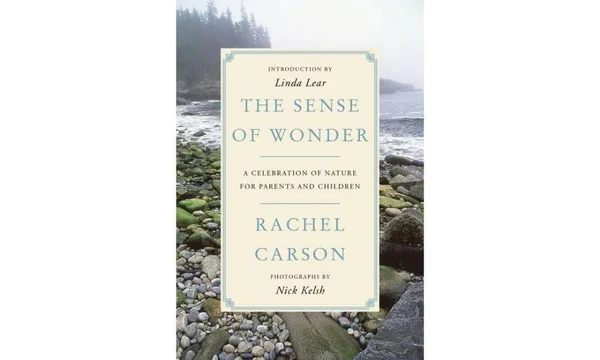
The Sense of Wonder by Rachel Carson Review: A Timeless Classic for Nature-Loving Families
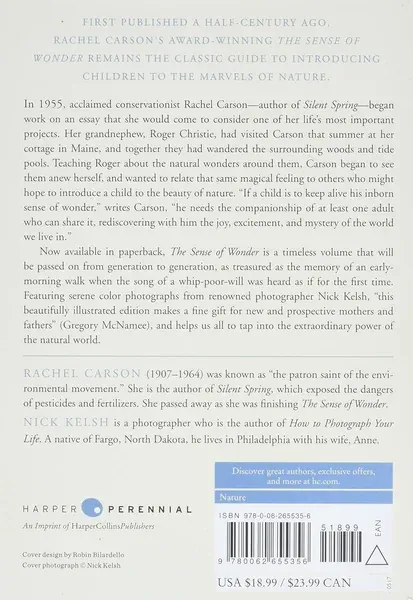
Rachel Carson's The Sense of Wonder is an award-winning essay-turned-book that has endured for decades as a foundational guide to sharing the natural world with children, pairing Carson's luminous prose with color photography by Nick Kelsh in an edition designed to inspire parents and caregivers alike.
 Tap to enlarge
LuvemBooks Verdict
Best for
Parents, grandparents, caregivers, and educators who want a philosophically rich, literary case for why sharing the natural world with children matters — and who need inspiration rather than a step-by-step activity plan.
Worth it if
You're looking for a beautifully written, historically significant meditation on cultivating curiosity in children, and you're content with a short, essayistic work that moves the spirit rather than filling a lesson planner.
Skip if
You need structured, practical guidance — seasonal checklists, species identification, or activity frameworks — rather than philosophical encouragement, or you find coastal Maine landscapes a less resonant backdrop for your own outdoor experiences.
What readers & critics say
Kirkus Reviews, in its original assessment, described the text as "article-length" but praised Carson's assurance that "receptivity is the key to sharing," noting that her "calm contemplations" make the book an encouraging guide for less knowledgeable adults. The Marginalian calls it "a magnificent manifesto for the vibrant curiosity with which we are all born" and judges it "well worth a read, as well as a regular reread for mental and spiritual hygiene," while The Examined Life characterises it as Carson's "most personal project," one in which she "teaches us how to see things that have become invisible from abundance."
“Carson's calm contemplations encourage the less knowledgeable with the assurance that receptivity is the key to sharing.”
— Kirkus ReviewsAsk LuvemBooks
Was this helpful?
- Is it worth reading?
- For parents, grandparents, caregivers, and educators seeking philosophical grounding in why nature matters to childhood development, The Sense of Wonder is widely regarded as the definitive text in its category — a designation reinforced by its continued printing and award-winning status more than half a century after it was first written. Carson's prose is luminous, her argument democratizing and accessible, and the illustrated edition's photography by Nick Kelsh adds visual warmth. The one honest caveat is that readers hoping for a practical handbook with activity plans, checklists, or identification tools will find this book is a companion to that kind of resource, not a replacement for it.
- Similar books
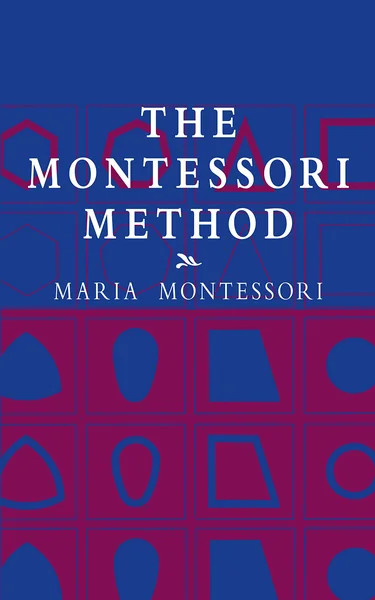
- Readers drawn to The Sense of Wonder will find strong company in several related titles. Richard Louv's Last Child in the Woods offers a more research-driven, sociological argument for why children need unstructured time in nature — a natural companion for those wanting evidence alongside Carson's philosophy. Robin Wall Kimmerer's Braiding Sweetgrass shares Carson's lyrical, reflective register, weaving Indigenous botanical knowledge with a deep sense of ecological belonging. Wendell Berry's The Unsettling of America: Culture and Agriculture extends the conservation ethic into the realm of agriculture and community. For readers interested in the broader landscape of child-centred, adult-guided learning, The Montessori Method by Maria Montessori and The Power of Showing Up by Daniel J. Siegel and Tina Payne Bryson both explore how attentive adult presence shapes a child's development — complementing Carson's central argument from an educational and psychological angle respectively.
- Who should read this?
- The Sense of Wonder is best suited to parents, grandparents, caregivers, and educators who want a philosophical grounding in why nature matters to childhood development, delivered with literary grace rather than scientific instruction. It will resonate especially with readers who already share Carson's conviction that the natural world is a vital inheritance — and may quietly persuade those who are new to that idea. Those seeking structured activity guides, field identification tools, or region-specific programming will need to supplement it with more practical resources, as the text's concrete examples draw heavily on coastal Maine landscapes.
- What age is it for?
- The Sense of Wonder is an adult book written for parents, grandparents, and caregivers — not a children's picture book or middle-grade read. Adults of any age will engage with it fully. The book is about nurturing wonder in young children (Carson's own experience centred on her grandnephew Roger Christie), so in practice it is most relevant to adults with children in their lives, from infancy through early childhood.
- About Rachel Carson
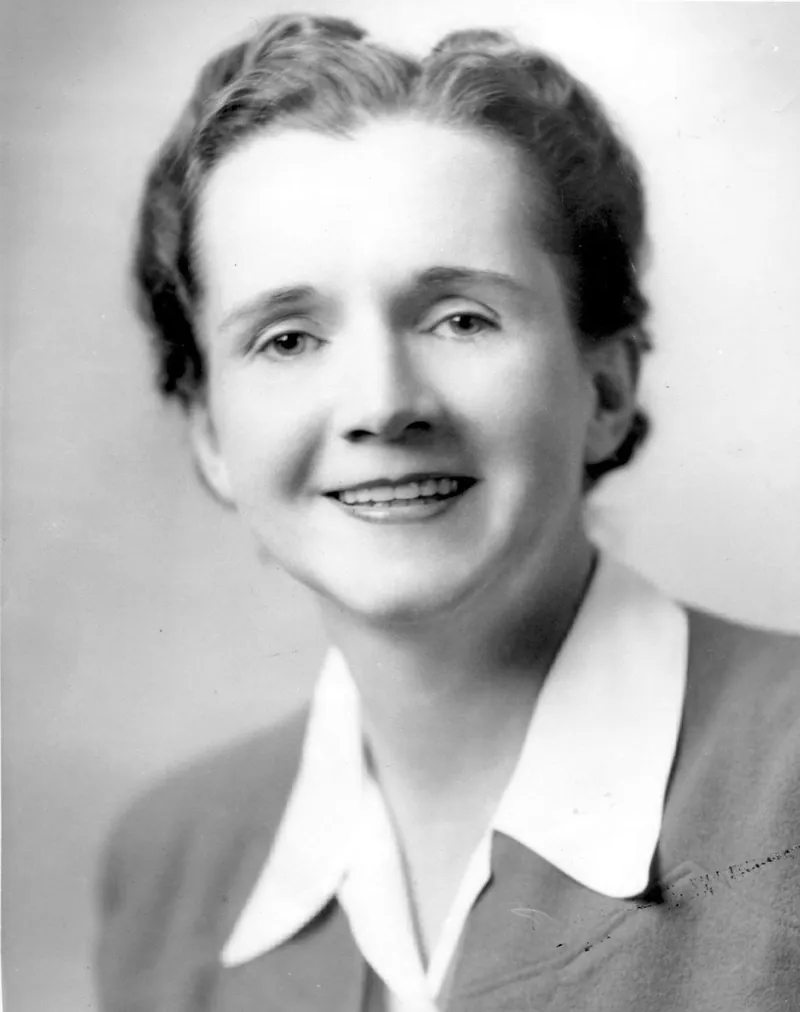
- Rachel Louise Carson was an American marine biologist, writer, and conservationist. Her sea trilogy (1941–1955) and book Silent Spring (1962) are credited with advancing marine conservation and the global environmental movement.
- What are the main themes?
- The book's central theme is the preservation of a child's innate sense of wonder through attentive adult companionship — Carson argues that closeness to the natural world is both a gift and a practice, not a product of expertise. Closely related is the theme of adult renewal: in accompanying Roger Christie through the tide pools and woods of Maine, Carson found herself rediscovering the natural world with fresh eyes. The book also carries an implicit conservation ethic, framing a child's early encounters with nature as the foundation of a lifelong relationship with — and responsibility toward — the environment.
- Where should I start with Rachel Carson?
- For readers new to Carson, The Sense of Wonder is an ideal entry point: it is brief, accessible, and captures her voice at its most intimate and lyrical, without requiring any scientific background. Those who want to encounter her at her most historically consequential should move on to Silent Spring, which exposed the dangers of pesticides and is credited with helping catalyze the modern environmental movement. Readers drawn to Carson's marine science writing may also wish to explore her sea trilogy (1941–1955), which established her reputation before Silent Spring.
Summarize this book
Follow up
Synthesized from verified book data & published reviews · How we review
Press Enter to ask. Answers come from our editorial Q&A — start typing to see related questions.
Age & Reading Level
Recommended age
Adult
Reading level
Adult
who it suits
Skip if you want a structured, activity-based guide with checklists, identification tools, or practical nature programming for children.
Our Review
What the Book Is and Where It Came From

Carson's Place in Conservation History
The Strengths of Carson's Argument
Limitations and Audience Fit
Who Should Read It Today
Sources & Further Reading
The key facts and claims in this review are grounded in the retrieved, verified sources listed below.
- Cited in this review
- 1
- 2
literaryladiesguide.com
- Further reading
- 3
Rachel Carson, Wikipedia
- 4
zinnedproject.org
- 5
- 6
- 7
abebooks.com
- 8
wisconsinacademy.org
- 9
- 10
- 11
Books like The Sense of Wonder
Curated picks for readers who enjoyed The Sense of Wonder, with our reasoning for each match.