7 min read
4.7
· 1,384 Amazon ratingsShare This Review
The Science Book: Everything You Need to Know About the World by National Geographic Review: A Sweeping, Illustrated Scientific Reference
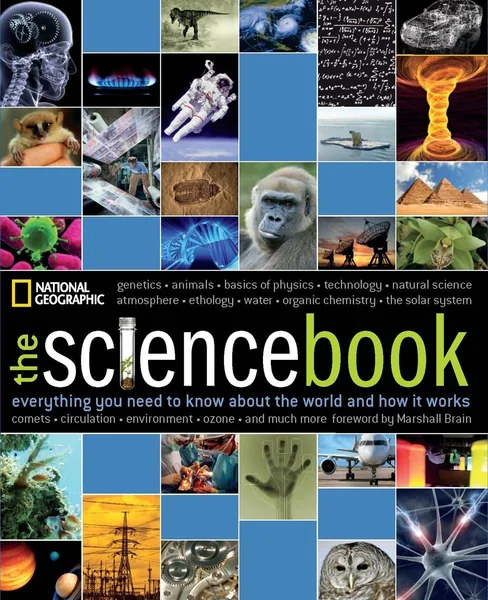
National Geographic's The Science Book: Everything You Need to Know About the World and How It Works is a broad, richly illustrated single-volume reference designed to encapsulate centuries of scientific thought across six major disciplines, making it a strong starting point for curious readers of varied backgrounds.
LuvemBooks Verdict
Best for
Students and curious general readers who want a single, visually navigable reference spanning all major scientific disciplines — from the universe and earth sciences to mathematics — without needing specialist or post-introductory depth in any one field.
Worth it if
You want one well-organized, National Geographic-quality volume that lets you browse broad science topics by color-coded section or look up specific subjects quickly, and you're comfortable with a 2011 publication date for a foundational overview.
Skip if
Skip it if you need advanced or up-to-date treatment of fast-moving fields like genetic engineering or cosmology, or if you hold philosophical or faith-based objections to evolution and Big Bang cosmology presented within the standard scientific framework.
What readers & critics say
Books.google.com describes the volume as encapsulating "centuries of scientific thought in one volume," with natural phenomena, revolutionary inventions, and current scientific questions "explained in detailed text that is complemented by visually arresting graphics." Christianbook.com notes the chapters are organized around broad subject areas and characterizes the world of science as "amazing," reflecting the book's wide-ranging, accessible scope.
Sources: Google Books, Christianbook.comAsk LuvemBooks
Was this helpful?
- Is it worth reading?
- For curious general readers and students who want a single organized volume spanning the major sciences, The Science Book delivers genuine value: its dual-mode design — equally functional as a sequential introduction and a quick-reference lookup — is relatively rare in single-volume science surveys. National Geographic's editorial identity of pairing substantive content with visually arresting graphics is fully on display, and Marshall Brain's foreword establishes an accessibility-first tone throughout. The significant caveat is its 2011 publication date: rapidly evolving areas like genetic engineering and cosmology have advanced considerably since, making it a strong foundation but not a current-events source. Specialist or advanced readers seeking graduate-level depth in any single field will need discipline-specific texts alongside it.
- Similar books
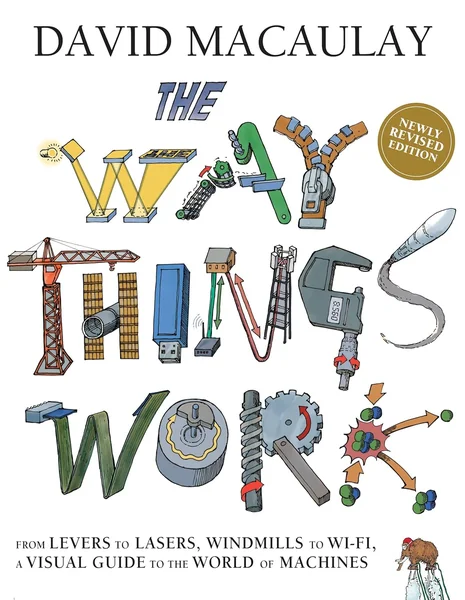
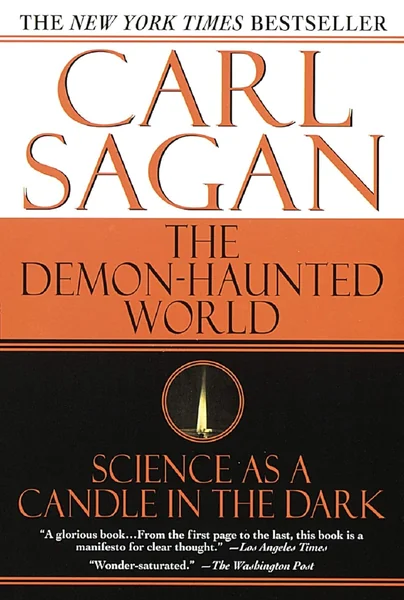
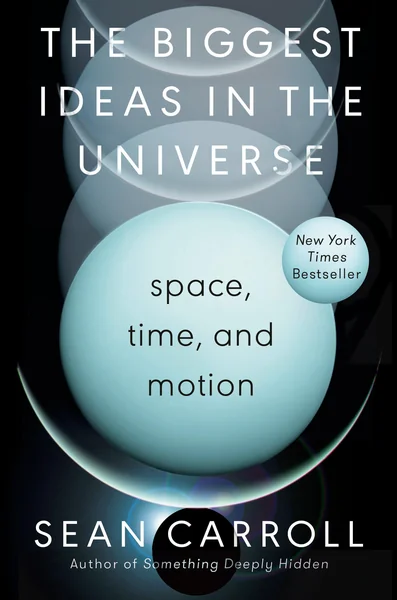
- Readers who enjoy The Science Book as a broad, accessible entry point to natural science have several strong next reads. David Macaulay's The Way Things Work shares the visually driven, general-audience approach to explaining how the physical world operates. For those drawn to the cosmology and physics sections, Stephen Hawking's A Brief History of Time and Sean Carroll's The Biggest Ideas in the Universe: Space, Time, and Motion offer deeper, single-discipline explorations of the universe's workings. Carl Sagan's The Demon-Haunted World: Science as a Candle in the Dark is an excellent companion for readers energized by the book's science-as-framework-for-understanding-reality ethos. And Ed Yong's An Immense World: How Animal Senses Reveal the Hidden Realms Around Us makes a natural follow-on for readers most captivated by the biology sections.
- Who should read this?
- The Science Book is best suited to curious general readers with no specialist background who want a single organized volume spanning the major scientific disciplines, and to students building foundational knowledge across subjects. Its dual-mode design — functional as both a sequential read and a quick-reference lookup — makes it particularly useful for high school students and self-directed adult learners who want a reliable starting point rather than deep specialization. Readers whose communities approach evolution or Big Bang cosmology differently from the standard scientific framework should note the book presents both within that mainstream framework. It is not the right fit for advanced or specialist readers seeking graduate-level depth in any single field.
- About National Geographic
- National Geographic is a globally recognized media and publishing entity operating under the National Geographic Society, founded in 1888. It publishes books spanning a wide range of topics — including science, exploration, and culture — such as The Science Book: Everything You Need to Know About the World and How It Works, which encapsulates centuries of scientific thought across subjects from the universe and earth sciences to biology, chemistry, physics, and mathematics.
- What's the reading level?
- The Science Book is written for a general adult audience, with an accessibility-first approach designed to make natural science approachable to readers without specialist backgrounds. Marshall Brain's foreword and the book's layered navigational apparatus — color-coded sections, sidebars, summaries, and embedded questions — lower the barrier to entry considerably, making it suitable for motivated high school readers as well. It is not pitched at academic or specialist readers, and its approachable framing means even readers with little prior science exposure should find it navigable.
- What are the main themes?
- The Science Book is organized around the idea that centuries of scientific thought — from classical natural philosophy through modern physics — can be made navigable and interconnected for a general audience. A recurring theme is the relationship between foundational scientific concepts and contemporary real-world debates: the publisher specifically highlights climate change and genetic engineering as examples of topics that bridge historical science and present-day relevance. The book also implicitly champions a scientific framework for understanding the natural world, presenting evolution and Big Bang cosmology within mainstream scientific consensus — a thematic stance worth noting for readers who approach those topics differently.
Summarize this book
Follow up
Synthesized from verified book data & published reviews · How we review
Press Enter to ask. Answers come from our editorial Q&A — start typing to see related questions.
Age & Reading Level
Recommended age
Adult
Reading level
Adult
1 content note · who it suits
Content to know about
Skip if you want specialist or graduate-level depth in any single scientific discipline.
Our Review
What the Book Actually Is
Scope and Subject Matter
Structure and Navigation
Strengths as a Reference Work
Limitations and Who Should Know Before Buying
Sources & Further Reading
The key facts and claims in this review are grounded in the retrieved, verified sources listed below.
- Cited in this review
- 1
- 2
- Further reading
- 3
- 4
- 5
Books like Science Book, The
Curated picks for readers who enjoyed Science Book, The, with our reasoning for each match.
If you liked Science Book, The