
7 min read
4.5
· 91 Amazon ratingsShare This Review
Workbook: The Mountain Is You by Thought Catalog Review: A Practical Companion to Wiest's Bestseller
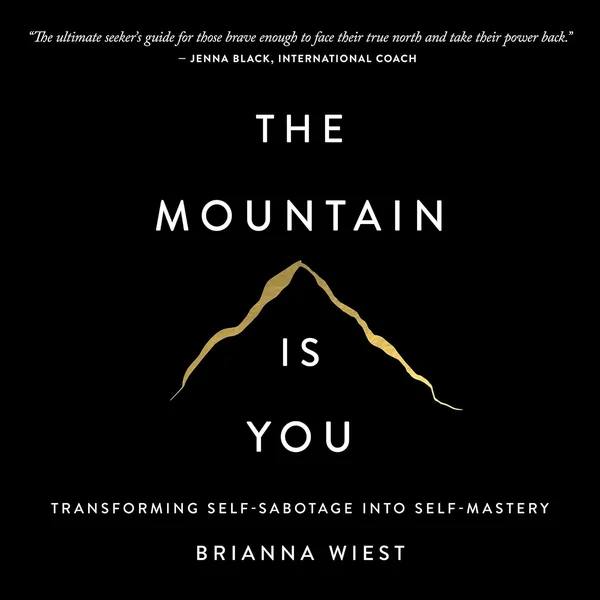
Published by Thought Catalog Books in November 2022, this 176-page paperback is the official and authorized companion workbook to Brianna Wiest's widely read self-help book, The Mountain Is You: Transforming Self-Sabotage Into Self-Mastery. Designed to help readers move from passive reading to active self-reflection, it translates Wiest's framework on self-sabotage — rooted in internalized trauma and conflicting psychological needs — into structured exercises. It is a functional self-improvement workbook, not a standalone memoir or narrative text, and its value is best assessed through use rather than reading alone.
LuvemBooks Verdict
Best for
Readers who have already engaged with Brianna Wiest's The Mountain Is You and want a structured, officially authorized tool to translate its framework on self-sabotage and conflicting psychological needs into personal, written reflection.
Worth it if
You've read the source text and want to move from intellectually understanding Wiest's framework to actively applying it — this official, Wiest-introduced companion offers conceptually grounded prompts rather than a generic self-help exercise set.
Skip if
You haven't yet read The Mountain Is You, are looking for a standalone self-help narrative, or want a clinically designed therapeutic program rather than a personal-development companion workbook.
What readers & critics say
Shopcatalog.com notes that the underlying source book, The Mountain Is You, was selected by Inc. As one of the top five books to improve leadership mindset, and describes Thought Catalog Books' publishing approach as giving "great attention" to each title, treating each as "a special art object to be cherished for decades." Bookclubs.com records the workbook as published November 29, 2022 at 176 pages, with no critical ratings yet logged on that platform.
Sources: shopcatalog.com, bookclubs.comAge & Reading Level
Recommended age
Adult
Reading level
Adult
who it suits
Skip if you haven't yet read the original The Mountain Is You and are looking for a self-contained introduction to Wiest's ideas.
Workbook: The Mountain Is You: Transforming Self Sabotage into by Thought Catalog is Trending
Brianna Wiest's Self-Sabotage Workbook Keeps Finding New Readers Online
The companion workbook to Brianna Wiest's The Mountain Is You continues to attract readers drawn in by ongoing buzz around self-improvement content. Wiest's work has maintained a strong following on social media, and this structured workbook gives readers a hands-on way to actually apply the original book's ideas.
Brianna Wiest's The Mountain Is You has been a fixture in self-help circles for a few years now, and its companion workbook has benefited from that sustained momentum. Unlike a lot of self-help books that spike and fade, Wiest's framework around self-sabotage and internalized emotional conflict has kept resonating — largely because readers keep sharing it, recommending it, and coming back to it online.
The workbook itself is a practical follow-up for people who read the original and wanted something more structured to work through. Rather than re-reading the same ideas, it gives you exercises and prompts designed to move you from 'I recognize this pattern' to actually doing something about it. That kind of actionable format tends to have lasting appeal, especially when the source material already has a loyal audience.
If you've had the original book on your shelf or your reading list, this workbook is worth picking up as a companion. It's not a standalone read — it's most useful alongside Wiest's original text — but for readers who want to go deeper, it's the most direct way to put her ideas into practice.
In This Review
- What Works & What Doesn't
- What This Book Actually Is
- The Framework It Builds On
- Design Intent and Structure
- Genuine Strengths
- Limitations and Who Should Approach with Care
What Works & What Doesn't
What Works
- Official and authorized by Brianna Wiest and her publisher, Thought Catalog Books, ensuring fidelity to the source framework
- Carries an introduction by Wiest herself, anchoring the workbook directly to the voice of the original text
- Builds on a widely recognized source book — Inc. Named The Mountain Is You one of the top five books to improve leadership mindset
- At 176 pages, offers substantial depth for a companion workbook, not a cursory exercise pamphlet
- Translates Wiest's conceptual framework on self-sabotage and conflicting psychological needs into a structured, active-reflection format
What Doesn't
- Best used after reading the original The Mountain Is You — readers coming to this workbook cold may find the exercises less grounded without the source text's conceptual framework
- As a functional self-improvement workbook, its practical value can only be determined through active personal use, not passive reading
What This Book Actually Is

The Framework It Builds On
Design Intent and Structure
Genuine Strengths
Limitations and Who Should Approach with Care
Frequently Asked Questions
Sources & Further Reading
The key facts and claims in this review are grounded in the retrieved, verified sources listed below.
- Cited in this review
- 1
- 2
- Further reading
- 3
americanbookwarehouse.com
Related Reviews
Reviews of books we picked for readers who enjoyed Workbook.

Reader Comments
No comments yet
Be the first to share your thoughts!