Our reviews
1,017 books, each with who it's for, who should skip it, reading level and content notes, and every source we used.
202 reviews match
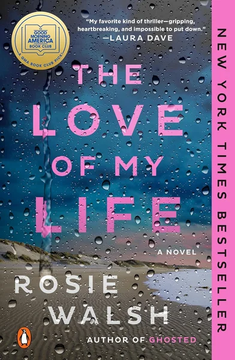
Rosie Walsh
Best for: Readers who want emotionally charged domestic suspense — fans of Lisa Jewell's Then She Was Gone or Laura Dave's The Last Thing He Told Me who are drawn to stories where the mystery is rooted in marriage, identity, and whether love can survive total betrayal of trust.

Ross Meador
Best for: Readers drawn to the human and emotional dimensions of the Vietnam War era — particularly the fate of war orphans — who want a ground-level civilian perspective on Operation Babylift rather than a military or policy-centred account.
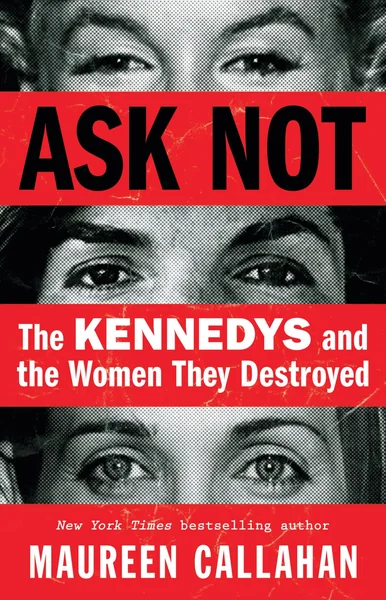
Maureen Callahan
Best for: Readers who want a multigenerational, investigative reckoning with the Kennedy men's treatment of women — centered on the victims rather than the dynasty's mythology.
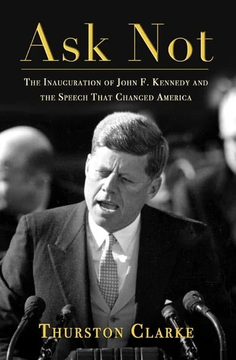
Thurston Clarke
Best for: Readers drawn to micro-history and American political narrative who want a fresh, deeply reported angle on Kennedy — particularly those who already carry some familiarity with the Camelot era and want insider texture rather than a broad biography.
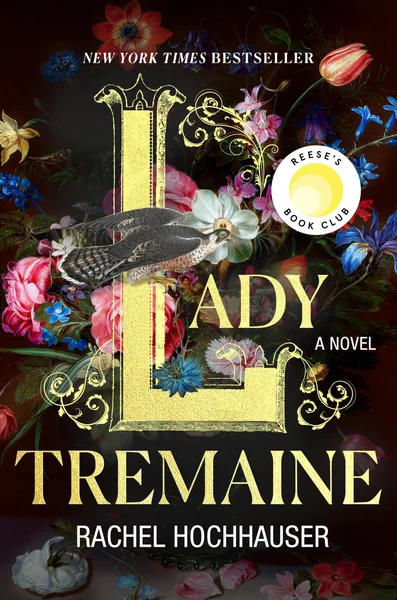
Rachel Hochhauser
Best for: Readers drawn to feminist historical fiction who want a fully rehabilitated "villain" — specifically those who enjoy class-conscious, survival-driven narratives and fairytale retellings that interrogate whose story gets told and why.
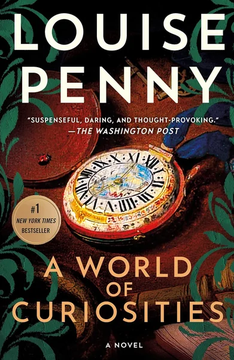
Louise Penny
Best for: Devoted fans of the Gamache series who have followed Armand and Jean-Guy Beauvoir through all seventeen previous novels and are ready for the long-awaited, emotionally charged backstory of their partnership.
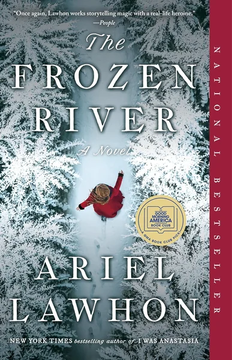
Ariel Lawhon
Best for: Readers drawn to women's history and early American life who want a historically grounded mystery anchored by a quietly formidable protagonist — particularly those who enjoy fiction built on real documented lives and legal-social stakes.
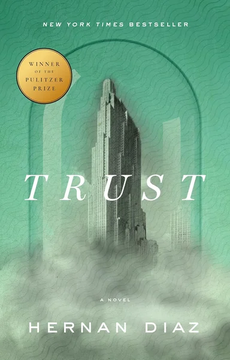
Hernan Diaz
Best for: Readers drawn to metafiction and novels that interrogate narrative form itself — particularly those fascinated by how extreme wealth, capital, and power shape (and distort) historical record.
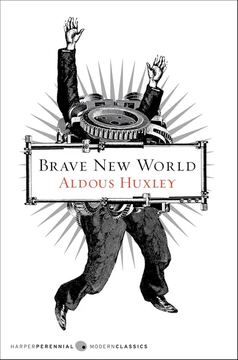
Aldous Huxley
Best for: Readers drawn to novels of ideas — particularly those curious about how dystopian fiction interrogates freedom, technology, and social control — who want to understand the canonical counterpart to Orwell's Nineteen Eighty-Four.

Andy Weir
Best for: Readers who love hard science fiction that doubles as a propulsive thriller — particularly fans of The Martian who want scientifically rigorous problem-solving, extinction-level stakes, and genuine emotional warmth delivered through a first-person, puzzle-driven narrative.
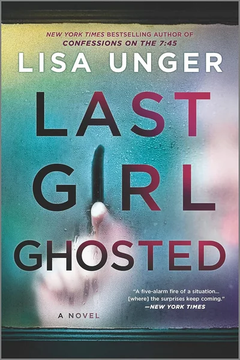
Lisa Unger
Best for: Readers drawn to first-person psychological thrillers where the narrator is as much a mystery as the central suspect, particularly those who find the anonymity of online dating culture genuinely unsettling.
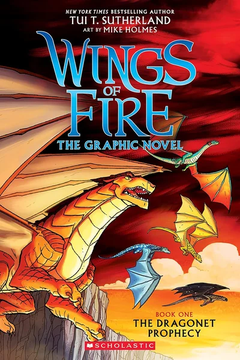
Tui T. Sutherland
Best for: Young readers aged 7–12, especially emerging or reluctant readers who want an accessible visual gateway into one of middle-grade fantasy's biggest worlds before tackling the full prose series.
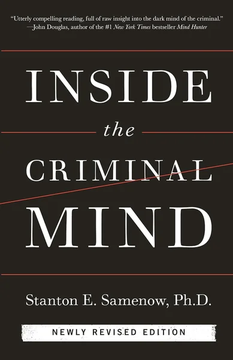
Stanton Samenow
Best for: Practitioners and students in criminal justice, clinical psychology, social work, or forensic fields who want a sharply argued, cognitively grounded framework for understanding and intervening in criminal behaviour.
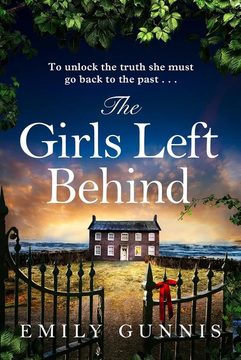
Emily Gunnis
Best for: Readers who enjoy character-driven British crime fiction with a strong historical dimension — particularly those drawn to stories of institutional injustice, wronged women, and multi-generational mystery, and who already love Emily Gunnis's debut, The Girl in the Letter.
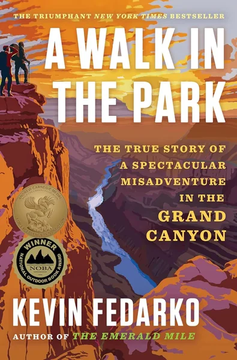
Kevin Fedarko
Best for: Readers who want an adventure memoir that goes well beyond survival set pieces — particularly those drawn to narrative nonfiction that weaves together on-the-ground physical ordeal, Grand Canyon geology and ecology, Indigenous history, and environmental advocacy into a single ambitious whole.
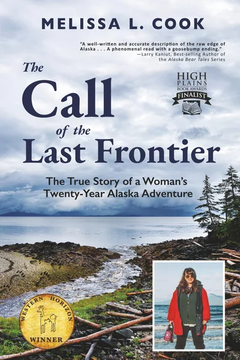
Melissa L. Cook
Best for: Readers hungry for immersive narrative nonfiction set in extreme environments — particularly those drawn to Alaska's remote bush communities, the culture of its seaplane-dependent schools, and the intersection of wilderness life with chronic illness.
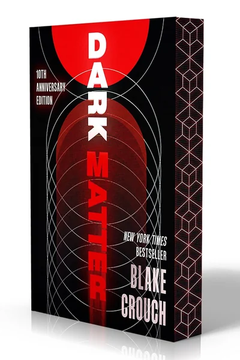
Blake Crouch
Best for: Readers who enjoy fast-paced speculative thrillers that use a high-concept science fiction premise — here, the many-worlds interpretation of quantum mechanics — as the engine for an emotionally grounded story about identity, regret, and the love of a specific family.
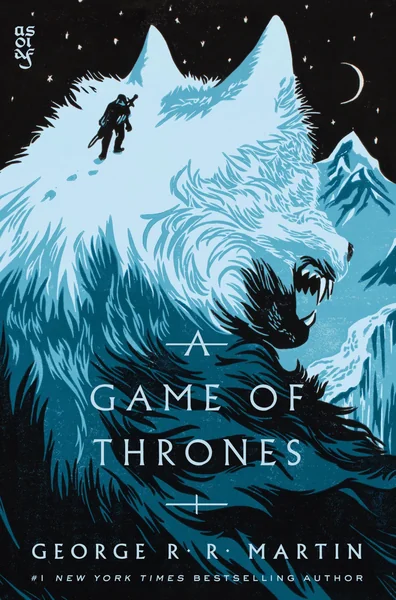
George R. R. Martin
Best for: Readers who relish densely plotted political fiction with a cast of morally compromised characters, high stakes across multiple storylines, and a willingness to see genre conventions upended — particularly those who can commit to a long, as-yet-unfinished series.
![The Dark Psychology Playbook [9-in-1] by Roger Glenwood book cover](https://cdn.luvembooks.com/media/product-reviews/the-dark-psychology-playbook_cover_enriched-product.webp)
Roger Glenwood
Best for: General readers who feel vulnerable to social or professional manipulation and want a single-volume, breadth-first orientation to dark psychology — covering NLP, lie detection, persuasion, and psychological profiling — without having to source multiple standalone titles.
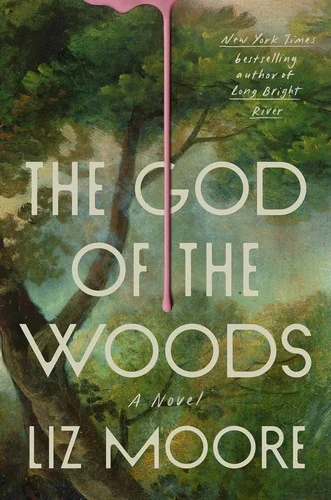
Liz Moore
Best for: Readers who want their crime fiction to carry the weight of a family saga and social novel — particularly those drawn to multi-timeline, ensemble-cast stories where class dynamics, parental failure, and community trauma matter as much as the mystery itself.
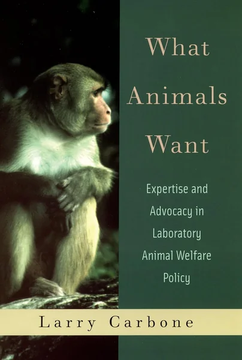
Larry Carbone
Best for: Scholars, veterinarians, policy professionals, and engaged general readers who want a rigorously sourced, ethically honest account of how competing claims about animal experience shaped U.S. laboratory animal welfare law.
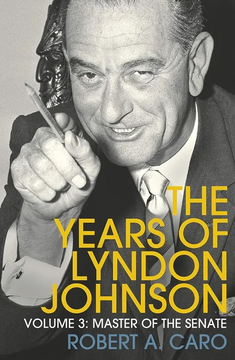
Robert A Caro
Best for: Readers with a serious interest in the mechanics of American political power, the legislative history of civil rights, or the mid-twentieth-century Senate who are prepared to engage with the full multi-volume series.
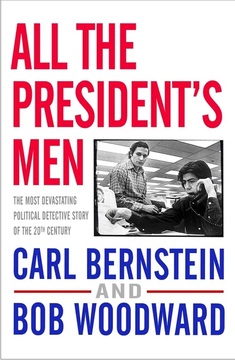
Bob Woodward, Carl Bernstein
Best for: Readers fascinated by investigative journalism, press freedom, or political history who want an inside-out account of how Woodward and Bernstein built the Watergate case source by source — told with the propulsive momentum of a procedural thriller.
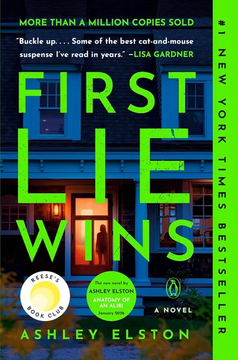
Ashley Elston
Best for: Thriller readers who relish con-artist and identity-swap narratives, tolerate — even enjoy — non-linear timelines and sustained disorientation, and treat an unexpected twist as the reward rather than the problem.
