Our reviews
1,017 books, each with who it's for, who should skip it, reading level and content notes, and every source we used.
154 reviews match
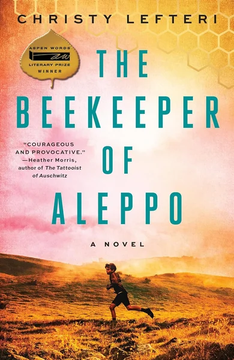
Christy Lefteri
Best for: Readers of character-driven literary fiction who want the Syrian refugee crisis rendered through intimate human experience — grief, survival, and quiet tenderness — rather than political analysis.
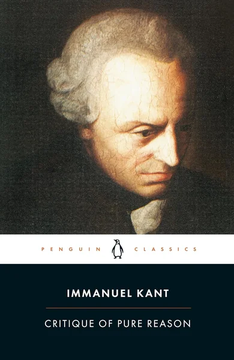
Immanuel Kant
Best for: Philosophy students, intellectual historians, and serious general readers who want to engage directly with the foundational text of modern epistemology and understand the roots of the Western philosophical tradition.
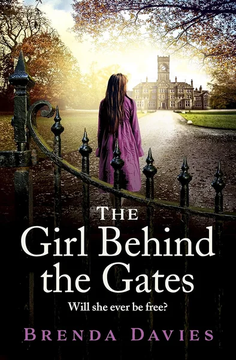
Brenda Davies
Best for: Readers drawn to emotionally intense historical fiction rooted in real events — particularly those with an interest in women's history, medical ethics, or institutional injustice — who appreciate narratives that balance harrowing subject matter with a redemptive, ultimately uplifting arc.
James Wood Davidson
Best for: Researchers, scholars, or collectors with a pre-existing, specific interest in the nineteenth-century American writer James Wood Davidson who need affordable access to an otherwise out-of-print historical text.
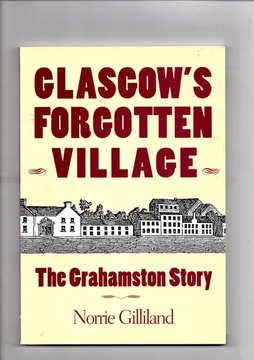
Norrie Gilliland
Best for: Glasgow heritage enthusiasts, local historians, and urban archaeology readers who want a rigorously evidenced account of Grahamston — the community obliterated to build Glasgow Central Station.
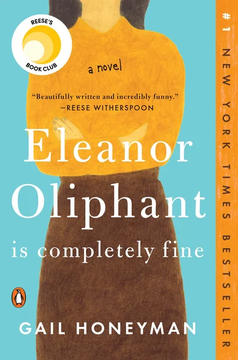
Gail Honeyman
Best for: Readers drawn to character-driven literary fiction who want emotional range — dark psychological depth wrapped in deadpan humour — and who respond to stories of found family and incremental healing.
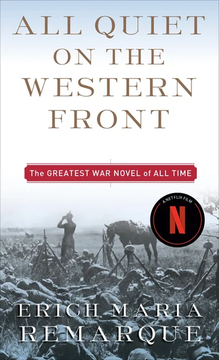
Erich Maria Remarque
Best for: Readers aged 15 and up — particularly those drawn to Hemingway-style war literature, students encountering it as assigned reading, or viewers of the 2022 Academy Award-winning film who want to experience the spare, first-person intimacy of Remarque's original source text.
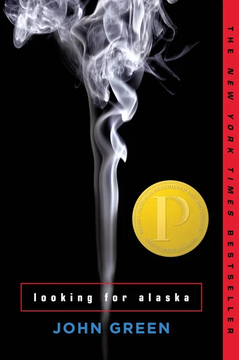
John Green
Best for: Readers aged 16 and up who want young adult fiction that takes adolescent grief, moral ambiguity, and philosophical inquiry as seriously as adult literary fiction — particularly those drawn to structurally inventive storytelling and John Green's wider body of work.
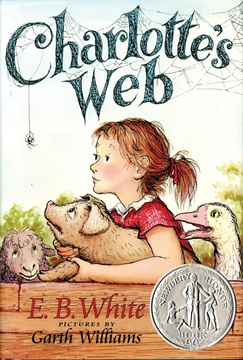
E. B. White
Best for: Readers aged five and up — and adults revisiting childhood favourites — who want a beautifully written story about friendship, sacrifice, and mortality that treats young readers as emotionally capable without losing an ounce of warmth.
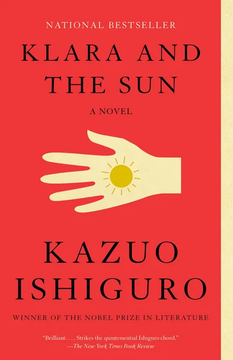
Kazuo Ishiguro
Best for: Readers who loved Never Let Me Go and are drawn to quiet, philosophically rich literary fiction that uses a speculative premise — here, an AI narrator — to explore mortality, love, and what it means to be human.
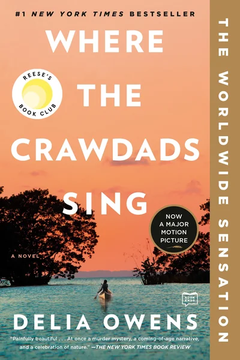
Delia Owens
Best for: Readers who love immersive sense-of-place fiction and want a cross-genre story that blends survival, romance, and courtroom mystery — especially those drawn to the natural world and emotionally resonant coming-of-age narratives.
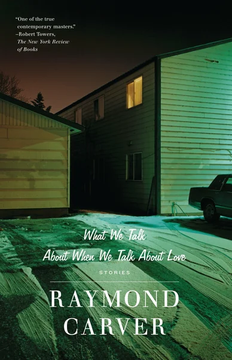
Raymond Carver
Best for: Readers already drawn to American literary minimalism, the working-class realist tradition, or Carver's wider body of work who want to engage with the collection that first established his reputation and remains a touchstone of the short story form.
Katherine Paterson
Best for: Readers aged nine and up — particularly those drawn to character-driven stories about friendship, imagination, and emotional resilience — who are ready to encounter a frank, deeply felt treatment of childhood grief and loss.
V.E. Schwab
Best for: Readers who love lyrical, emotionally patient fantasy — particularly fans of The Time Traveler's Wife or Life After Life — who are drawn to a centuries-spanning premise that doubles as a meditation on women's erasure from history.
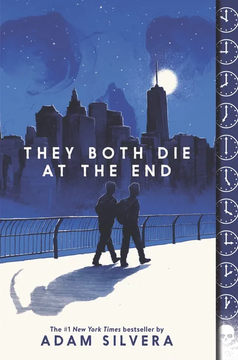
Adam Silvera
Best for: Readers aged 13 and up who want a character-driven YA romance that uses a high-concept speculative premise — a company that predicts the day you'll die — as a vehicle for emotionally precise exploration of mortality, identity, and LGBTQ+ love.
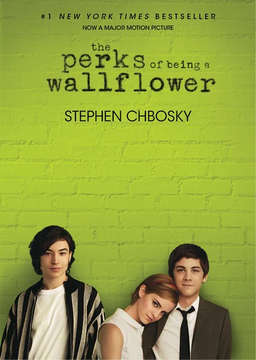
Stephen Chbosky
Best for: Teenage readers — and the adults who remember being one — who want an unflinching, emotionally precise coming-of-age story about loneliness, friendship, trauma, and the first moments of feeling truly understood.
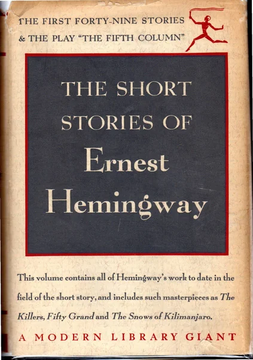
Ernest Hemingway
Best for: General readers and students who want a single, durable Modern Library hardcover gathering Hemingway's most celebrated short fiction — from the Nick Adams cycle to "Hills Like White Elephants" — without the critical apparatus of a scholarly edition.
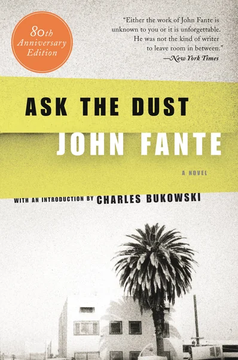
John Fante
Best for: Serious readers of American fiction who are drawn to the literature of place — Los Angeles in particular — or to the tradition of autobiographical modernism and raw, self-lacerating confessional prose.
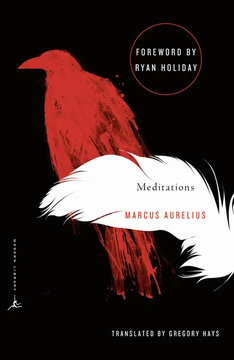
Marcus Aurelius
Best for: Readers drawn to practical Stoic philosophy who want an authentic, unguarded window into ancient self-examination — particularly those who prefer wisdom literature they can dip into repeatedly over a linear philosophical argument.
Matt Haig
Best for: Readers navigating depression, burnout, or a sense of paths not taken who want an emotionally accessible speculative novel that literalises regret and the case for living — without demanding hard SF rigour or tonal darkness.
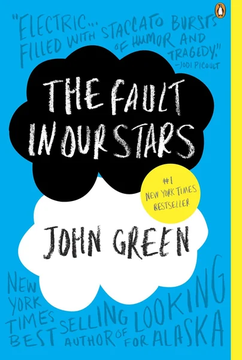
John Green
Best for: Readers aged 14 and up — and well beyond — who want a love story that takes mortality seriously, written with sharp wit and genuine literary intelligence rather than sentimental softening.
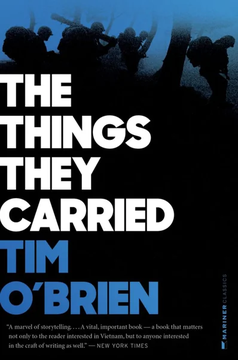
Tim O'Brien
Best for: Readers drawn to questions of how stories carry moral weight — particularly those curious about the Vietnam War's human realities, students of literary craft, or anyone willing to engage with a narrative that deliberately destabilises its own claims to factual truth.
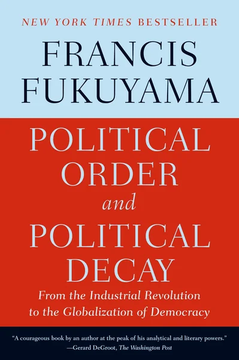
Francis Fukuyama
Best for: Readers with a grounding in political science or comparative history who want a rigorous, historically sweeping diagnosis of how liberal democracies decay from within — particularly those who have already read The Origins of Political Order and want to complete Fukuyama's two-volume project.
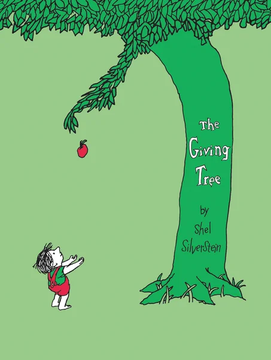
Shel Silverstein
Best for: Parents, caregivers, and educators who want a picture book that sparks genuine, open-ended conversation about generosity, relationships, and what it means to give — and who are comfortable sitting with ambiguity rather than a tidy moral resolution.
