
8 min read
4.7
· 13,315 Amazon ratingsFeatured In
Share This Review
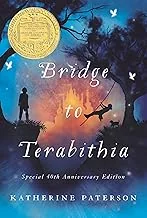
Bridge to Terabithia by Katherine Paterson Review: A Newbery-Winning Classic About Friendship and Loss
Bridge to Terabithia is a Newbery Medal-winning children's novel by Katherine Paterson, originally published in 1977, that follows fifth-grader Jesse Aarons and his new neighbor Leslie Burke as they forge a transformative friendship and build an imaginary kingdom called Terabithia — before a sudden tragedy reshapes everything Jesse understands about courage, grief, and growing up.
LuvemBooks Verdict
Best for
Readers aged nine and up — particularly those drawn to character-driven stories about friendship, imagination, and emotional resilience — who are ready to encounter a frank, deeply felt treatment of childhood grief and loss.
Worth it if
Worth reading if you want children's fiction that takes young people's inner lives seriously, grounded in real tragedy and praised across decades for its emotional honesty and literary craft.
Skip if
Skip it — or at least defer it — if the reader is younger or more sensitive and not yet ready for an unsparing depiction of sudden, irreversible loss; those expecting plot-driven adventure or expansive fantasy world-building will also find the scope more intimate than anticipated.
What readers & critics say
Common Sense Media calls it notable for "the tender care the author lavishes on her main characters, and for the honest portrayal of a child's grief and a child's capacity for creating beauty from tragedy." Audible's editorial notes that the book's inspiration in real-life tragedy "imbues the story with a profound sense of authenticity and emotional depth," while acknowledging it remains significant in children's literature precisely for its honest treatment of difficult subjects.
“Notable for the tender care the author lavishes on her main characters, and for the honest portrayal of a child's grief.”
— Common Sense Media“Paterson gives voice to Jesse's fears and hopes without imposing judgment or commentary.”
— Common Sense MediaAge & Reading Level
Recommended age
Ages 8–12
Reading level
Middle grade
2 content notes · who it suits
Content to know about
Best for: Ages 9+ — Jesse's interior emotional landscape and the novel's direct treatment of sudden loss suit confident readers in the middle-grade range; the younger end of the recommended span benefits from adult support and conversation.
Skip if you're looking for a plot-driven fantasy adventure rather than an intimate character study of grief.
Bridge to Terabithia by Katherine Paterson is Trending
Bridge to Terabithia Is Going Viral Again as Fans Ask Where to Stream the Movie
TikTok users are rediscovering Bridge to Terabithia, with videos asking where to stream the beloved 2007 film sparking fresh interest in the classic novel. It's the kind of wave that pulls new readers back to the source material.
If you've been on TikTok recently, you may have noticed people talking about Bridge to Terabithia again — specifically, trying to track down the 2007 film adaptation on Netflix. Videos tagged with the book and movie have been circulating, with creators calling it 'one of the saddest films' and introducing it to viewers who may never have encountered the story before.
That kind of social media buzz has a way of sending people straight to the book. For anyone who grew up with it, Bridge to Terabithia is the kind of story that sticks with you — the friendship between Jesse and Leslie, the magic of Terabithia, and then the gut-punch ending that teaches kids something real about loss. When a new generation discovers it through a 30-second TikTok, plenty of them want to go back to where it all started.
The novel has also been popping up on library resource lists lately as a standout Newbery Medal winner, which keeps it on reading lists and in conversations. If you've been meaning to revisit this one — or you're a parent thinking about sharing it — now is a great time. Just maybe keep some tissues nearby.
In This Review
- What Works & What Doesn't
- What the Novel Is and What It Contains
- The True-Life Origins of the Story
- Critical Standing and Recognition
- The Censorship Controversy
- Who This Book Is For — and Where It Challenges
What Works & What Doesn't
What Works
- Won the Newbery Medal the year after its 1977 publication, marking it as a pinnacle of children's literature
- Rooted in a real, specific loss — the 1974 death of Paterson's son's best friend — giving the novel's grief an authenticity rarely matched
- Critics including The Horn Book Magazine praised its characterization, thematic depth, and writing as 'remarkably rich'
- Addresses death and grief with directness that critics across decades have identified as its defining strength
- Has inspired two screen adaptations, demonstrating enduring cultural reach across generations of readers
What Doesn't
- Its unflinching treatment of sudden childhood death has made it one of the most frequently challenged books of the 1990–2000 decade, a distinction that signals it demands thoughtful introduction for younger readers in its recommended age range
- The novel's emotional stakes are tightly focused on Jesse's interior world, which means readers expecting plot-driven adventure or expansive fantasy world-building may find the scope more intimate than anticipated
What the Novel Is and What It Contains
The True-Life Origins of the Story
Critical Standing and Recognition
The Censorship Controversy
Who This Book Is For — and Where It Challenges
Frequently Asked Questions
Sources & Further Reading
The key facts and claims in this review are grounded in the retrieved, verified sources listed below.
- Cited in this review
- 1
- 2
en.wikipedia.org
- 3
clubs.scholastic.com
- Further reading
- 4
Katherine Paterson, Wikipedia
- 5
katherinepaterson.com
- 6
- 7
automachination.com
- 8
freebooksummary.com
- 9
thecosydragon.com
- 10
everyday-reading.com
- 11
- 12
libraryofcleanreads.com
Related Reviews
Reviews of books we picked for readers who enjoyed Bridge to Terabithia.

Reader Comments
No comments yet
Be the first to share your thoughts!