9 min read
4.4
· 814 Amazon ratingsShare This Review
Midnight on the Potomac by Scott Ellsworth Review: A Panoramic, Myth-Shattering Civil War History
Scott Ellsworth's Midnight on the Potomac: The Last Year of the Civil War is a narrative history that spans the final, desperate year of the Civil War — from the spring of 1864, when Northern war-weariness made Lincoln's reelection far from assured, to the April 1865 surrender of Robert E. Lee and the assassination of Lincoln at Ford's Theatre. Published by Dutton in July 2025, the book draws on obscure contemporary accounts and long-ignored scholarship to challenge the conventional portrait of John Wilkes Booth as a lone, disgruntled actor, arguing instead that Booth operated in close collaboration with agents of the Confederate Secret Service. Publishers Weekly called it "a passionate and elegant chronicle of one of the most dramatic years in American history, torn agonizingly between triumph and tragedy."
LuvemBooks Verdict
Best for
Broadly curious American history readers who want a single, fast-moving volume that covers the Civil War's final year through the lens of political crisis, espionage, racial transformation, and the assassination — rather than a purely battlefield-focused account.
Worth it if
You're drawn to narrative history that pairs propulsive pacing with a genuine scholarly argument — specifically, the revisionist case that Booth was deeply embedded with the Confederate Secret Service long before Ford's Theatre.
Skip if
You're looking primarily for a detailed tactical and strategic military history of Grant's campaigns; the book's emphasis on espionage, home-front terror, and political intrigue means battlefield analysis takes a back seat.
What readers & critics say
Publishers Weekly, whose review page was retrieved, praised the book as "a passionate and elegant chronicle of one of the most dramatic years in American history, torn agonizingly between triumph and tragedy," highlighting Ellsworth's episodic narrative and vivid portrait of Booth. Kirkus Reviews called it "a passionate account of justice triumphing, amid tragedy, in 1865," and the Washington Examiner noted that the book "is told with heart but backed up with fact, making it approachable for any reader with a passing interest in American history and intriguing for Civil War history buffs."
“A passionate account of justice triumphing, amid tragedy, in 1865.”
— Kirkus Reviews“It's a passionate and elegant chronicle of one of the most dramatic years in American history, torn agonizingly between triumph and tragedy.”
— Publishers WeeklyAsk LuvemBooks
Was this helpful?
- Is it worth reading?
- For readers drawn to the intersection of political crisis, espionage, and racial transformation, Midnight on the Potomac offers a genuinely fresh perspective on one of American history's most-covered periods. The revisionist Booth-Confederate Secret Service argument gives the book a real argumentative spine that distinguishes it from purely narrative Civil War histories, and Publishers Weekly praised both its scholarly depth and propulsive pacing. The main caveat: readers expecting a predominantly military history of battles and strategy may find the balance tilts more heavily toward espionage, home-front terror, and political intrigue than toward battlefield tactics.
- Similar books
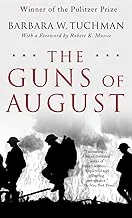
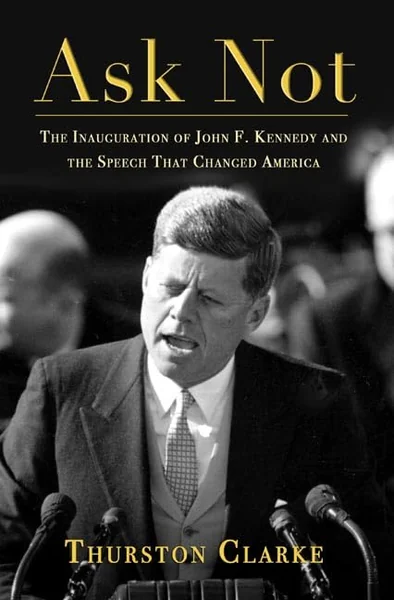
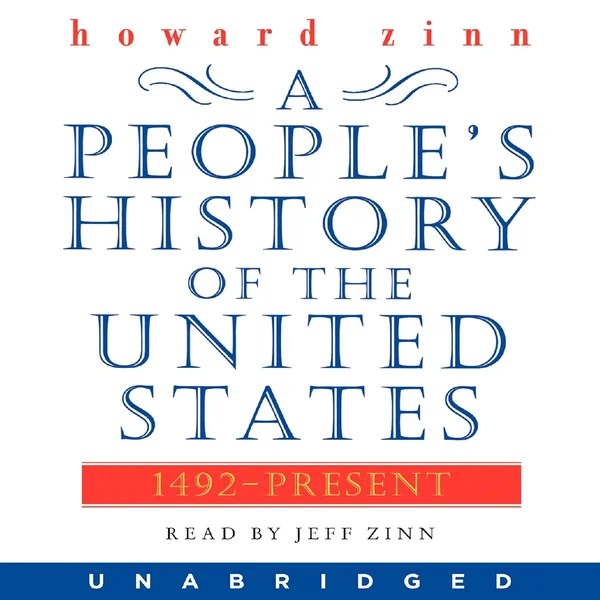
- Readers who respond to Midnight on the Potomac's blend of meticulous sourcing, sweeping narrative scope, and a single transformative year as a lens on history will find strong companions in the curated selection below. Barbara W. Tuchman's The Guns of August applies exactly the same concentrated year-as-crucible approach to the outbreak of World War I — propulsive, character-driven, and built around a central historical tragedy. Doris Kearns Goodwin's Team of Rivals: The Political Genius of Abraham Lincoln offers the deep Lincoln political portrait that underpins Ellsworth's account of the 1864 reelection crisis. Thurston Clarke's Ask Not: The Inauguration of John F. Kennedy mirrors Ellsworth's focus on a single, charged moment that reshaped American identity. And Howard Zinn's A People's History of the United States shares Ellsworth's commitment to expanding the cast of American history beyond generals and presidents to include ordinary soldiers, Black Americans, and women like Lois Adams.
- Who should read this?
- Midnight on the Potomac is best suited to broadly curious readers of American history who want both an accessible narrative and genuine scholarly argument — particularly those drawn to espionage, political crisis, and social transformation rather than purely military history. The episodic structure, which weaves together individual portraits of figures like Lois Adams, John Wilkes Booth, and self-liberating African Americans alongside combat and conspiracy, rewards readers who prefer narrative nonfiction told through individual lives and scenes. Readers already deeply versed in Civil War historiography will find the Booth-Confederate Secret Service argument the most provocative and debatable element, making it a strong choice for that audience as well.
- About Scott Ellsworth
- Scott Allen Ellsworth is an American writer and historian.
- What are the main themes?
- Ellsworth frames the 1864–1865 period as a contest between irreconcilable societies: a South shackled to a dying slave system and a dynamic North moving, slowly but surely, toward racial equality. Themes of political survival and democratic fragility run throughout — Lincoln's reelection was far from assured, and Confederate agents were actively working to destabilize the Union through espionage, propaganda, and terrorism on Northern soil. The book also takes up racial transformation as a central concern, foregrounding the agency of Black soldiers and enslaved African Americans who self-liberated and, in Ellsworth's framing, helped secure the Union's survival. Underlying everything is the question of national identity: what the Civil War's final year meant for the birth of a new America.
- How is the book structured?
- Midnight on the Potomac follows a broadly chronological arc from spring 1864 through April 1865, but Publishers Weekly describes an episodic narrative structure that weaves together multiple storylines — Grant's Virginia campaign, Confederate intrigue in Washington, Lincoln's political crisis, and individual portraits of figures from Lois Adams to John Wilkes Booth — rather than proceeding as a strict linear military chronicle. The episodic approach is ideally suited to readers who appreciate narrative history told through individual lives and scenes, though it means some figures receive focused bursts of attention rather than sustained treatment throughout. Ellsworth also contextualizes the three preceding years of the war before building to the book's central year, giving general readers necessary background without sacrificing momentum.
Summarize this book
Follow up
Synthesized from verified book data & published reviews · How we review
Press Enter to ask. Answers come from our editorial Q&A — start typing to see related questions.
Age & Reading Level
Recommended age
Adult
Reading level
Adult
2 content notes · who it suits
Content to know about
Skip if you're looking for a detailed military history of Civil War battles and strategy.
Our Review
What the Book Actually Covers

A Revisionist Case on Lincoln's Murder
Cast of Characters and the Book's Breadth
Strengths Recognized by Critics
Who This Book Is For — and Where It Pushes Back
Sources & Further Reading
The key facts and claims in this review are grounded in the retrieved, verified sources listed below.
- Cited in this review
- 1
- 2
- 3
- Further reading
- 4
Scott Ellsworth, Wikipedia
- 5
- 6
kirkusreviews.com
- 7
scottellsworthauthor.com
- 8
- 9
- 10
Books like Midnight on the Potomac
Curated picks for readers who enjoyed Midnight on the Potomac, with our reasoning for each match.
If you liked Midnight on the Potomac