Our reviews
1,017 books, each with who it's for, who should skip it, reading level and content notes, and every source we used.
1,017 reviews
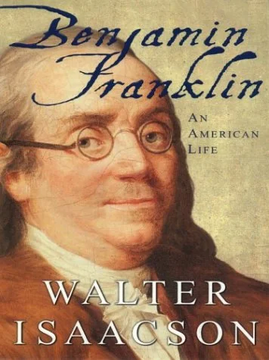
Walter Isaacson
Best for: Readers who want a single, sweeping authoritative biography of Benjamin Franklin that covers his full range as printer, scientist, inventor, diplomat, and Founding Father — and who are drawn to narrative-driven, accessible biography over academic scholarship.
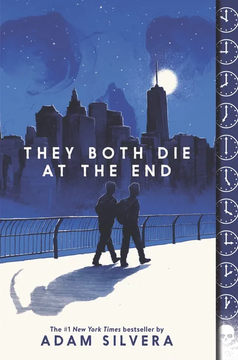
Adam Silvera
Best for: Readers aged 13 and up who want a character-driven YA romance that uses a high-concept speculative premise — a company that predicts the day you'll die — as a vehicle for emotionally precise exploration of mortality, identity, and LGBTQ+ love.
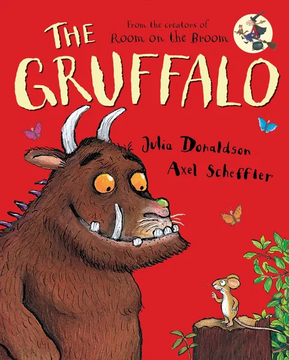
Julia Donaldson
Best for: Parents, caregivers, and nursery educators seeking a rhythmically rich, read-aloud picture book for children aged two to five who are ready to engage with a satisfying trickster story built on repetition, pattern, and comic suspense.
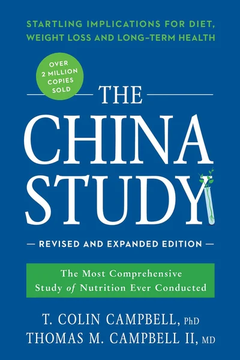
T. Colin Campbell and Thomas M. Campbell
Best for: Readers already curious about or committed to whole-food, plant-based eating who want a thorough, epidemiologically grounded argument — complete with mechanistic reasoning and a critique of reductionist nutrition science — for eliminating animal products from their diet.
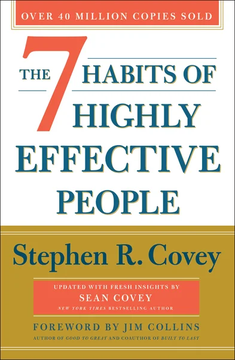
Stephen R. Covey
Best for: Professionals, managers, or motivated self-improvers who want a cohesive, principle-grounded framework for personal and interpersonal effectiveness — and are willing to invest patience in a dense, philosophically serious read rather than a quick-fix checklist.
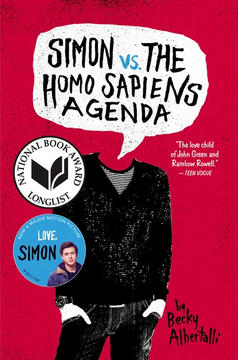
Becky Albertalli
Best for: Young adult readers aged fourteen and up who are navigating questions of identity, disclosure, and belonging — particularly those who want an LGBTQ+ coming-of-age story that treats sexuality as one dimension of a fully drawn teenager's life rather than a problem to be solved.
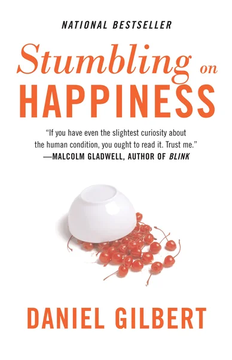
Daniel Gilbert
Best for: Readers curious about the psychology of prediction and self-deception who want a rigorous, research-grounded account of why humans are poor judges of what will make them happy — and who are content to leave without a prescriptive plan.
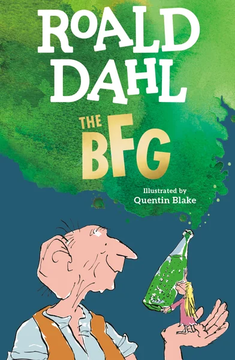
Roald Dahl
Best for: Children aged roughly seven to ten — and the adults reading aloud to them — who delight in invented language, absurdist logic, and a central friendship between a brave small girl and a gentle giant outcast.
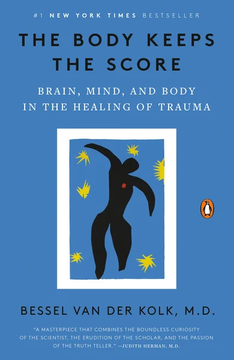
Bessel van der Kolk
Best for: Readers — whether lay or clinical — seeking an accessible, narrative-driven introduction to the idea that trauma reshapes the body and brain, and who want a broad survey of treatment approaches including EMDR, yoga, and limbic system therapy.
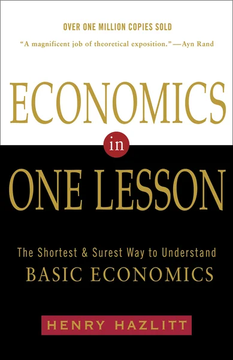
Henry Hazlitt
Best for: Curious general readers with no economics background who want a concise, principle-driven introduction to free-market thinking and a reusable framework for evaluating economic policy claims.
William L. Shirer
Best for: General readers seeking a single, comprehensive, deeply primary-sourced narrative of the Nazi era — particularly those coming to the subject without a background in professional historiography.
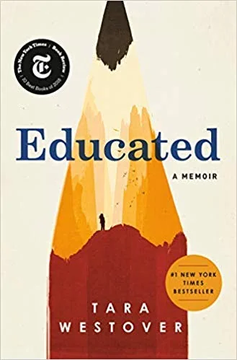
Tara Westover
Best for: Readers drawn to memoir that works simultaneously as family narrative, intellectual history, and ethical inquiry — particularly those interested in education, memory, and the cost of self-determination.
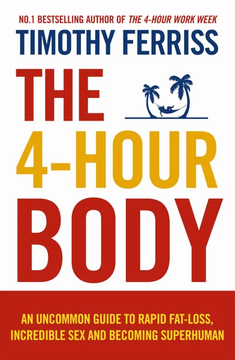
Timothy Ferriss
Best for: Self-directed experimenters and biohacking enthusiasts — particularly fans of Ferriss's The 4-Hour Workweek — who are comfortable treating their own bodies as data sources and want a single-volume reference spanning fat loss, exercise, sleep, skill acquisition, and sexual performance organized around the "minimum input, maximum output" philosophy.
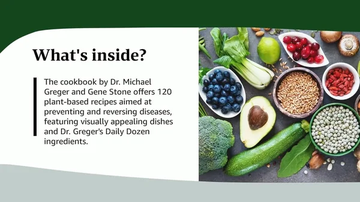
Michael Greger and Gene Stone
Best for: Readers of Michael Greger's How Not to Die who want a structured, science-backed recipe companion to put its whole-food, plant-based dietary recommendations into daily practice.
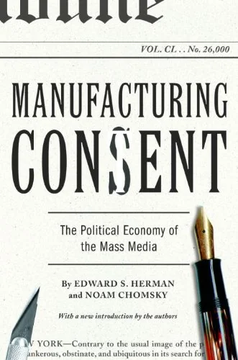
Edward S. Herman and Noam Chomsky
Best for: Serious readers of political economy, media studies, or journalism who want a rigorous, evidence-grounded framework for understanding how corporate and state interests structurally shape mainstream news coverage.
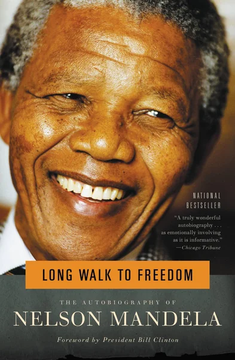
Nelson Mandela
Best for: Readers drawn to political memoir, African history, or the moral architecture of transformative leadership who want a first-person account of apartheid resistance, the Rivonia Trial, and the negotiations that dismantled apartheid — told by the movement's most prominent figure.
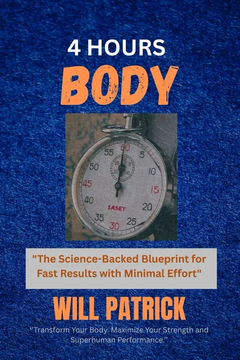
Will Patrick
Best for: Busy beginners and intermediate trainees who want a single, evidence-informed framework that integrates both training and nutrition without overwhelming them with jargon or complexity.
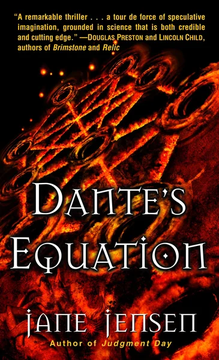
Jane Jensen
Best for: Readers who prioritise ideas over character warmth and are drawn to ambitious speculative fiction that fuses Holocaust history, Kabbalistic mysticism, Torah-code scholarship, and multiverse physics into a single conceptual framework — the audience that already gravitates toward Philip K. Dick or early Neal Stephenson.
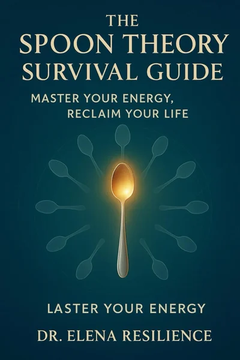
Dr. Elena Resilience
Best for: People living with chronic illness, disability, or variable energy levels who want a structured, named framework — rooted in spoon theory — to organize their daily lives and communicate their energy limitations to caregivers, family, or support networks.
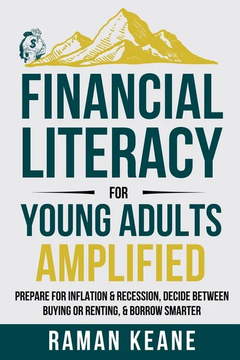
Raman Keane
Best for: Young adults who already have a working grasp of budgeting, saving, and investing — via the first volume or equivalent — and want a structured, accessible guide to the macroeconomic forces (inflation, interest rates, the Federal Reserve) that shape their everyday financial decisions.
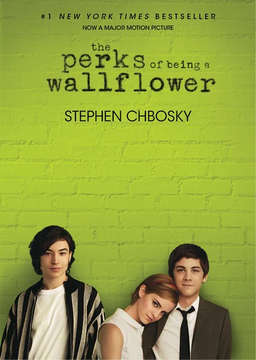
Stephen Chbosky
Best for: Teenage readers — and the adults who remember being one — who want an unflinching, emotionally precise coming-of-age story about loneliness, friendship, trauma, and the first moments of feeling truly understood.
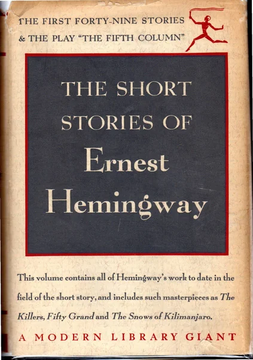
Ernest Hemingway
Best for: General readers and students who want a single, durable Modern Library hardcover gathering Hemingway's most celebrated short fiction — from the Nick Adams cycle to "Hills Like White Elephants" — without the critical apparatus of a scholarly edition.
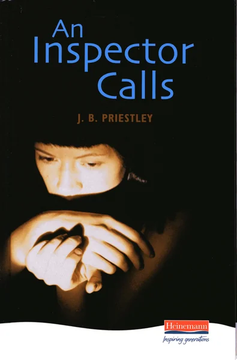
J.B. Priestley
Best for: Students tackling the play as a GCSE or IGCSE set text, and general readers seeking a compact, high-stakes theatrical argument about class, responsibility, and moral complicity that can be absorbed in a single sitting.
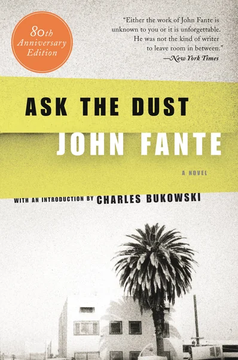
John Fante
Best for: Serious readers of American fiction who are drawn to the literature of place — Los Angeles in particular — or to the tradition of autobiographical modernism and raw, self-lacerating confessional prose.
