At a glance
LuvemBooks Verdict
Best for: New or frustrated cat owners who want a science-grounded, cradle-to-grave reference that explains the behavioral instincts behind feline "misbehavior" rather than offering surface-level fixes.
Worth it? Skip it? Read the full verdict →Ask LuvemBooks
Was this helpful?
- Is it worth reading?
- For cat owners who want a thorough, science-grounded foundation rather than a pamphlet, Think Like a Cat is widely regarded as one of the most comprehensive feline ownership resources available. Steve Dale, author of My Pet World, has called Johnson-Bennett 'the queen of cat behavior,' signaling strong peer recognition. The key caveat is the format: at over 400 pages, it rewards owners willing to invest reading time, and the 2011 revision means some veterinary and product information may predate current developments — consulting a current veterinarian alongside this text remains advisable for health-specific concerns.
- Similar books
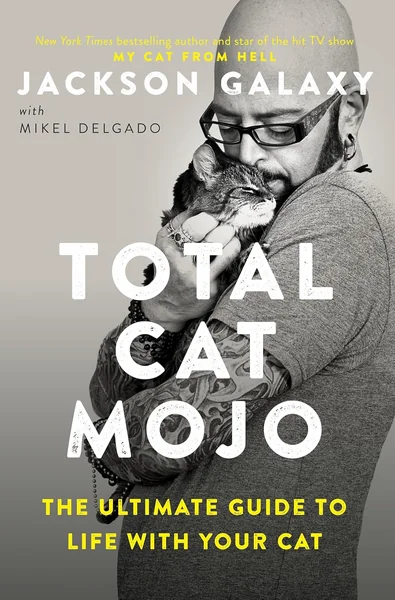
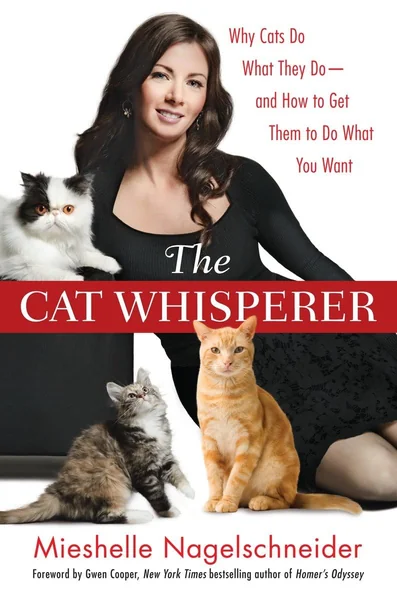
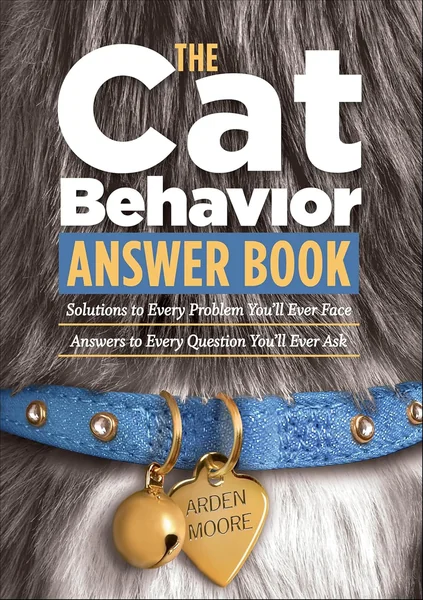
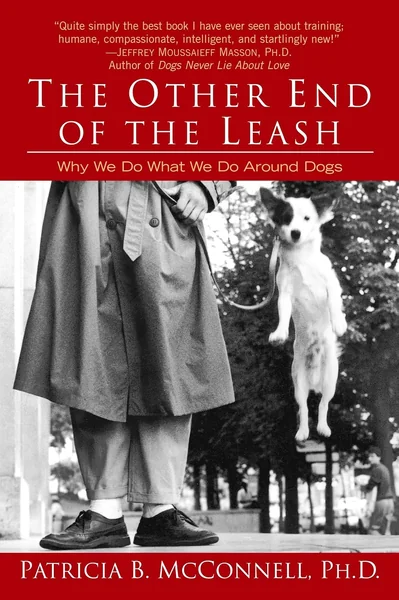
- Readers who find Think Like a Cat valuable will likely also appreciate Total Cat Mojo: The Ultimate Guide to Life with Your Cat by Jackson Galaxy, which shares a behavior-first approach from another high-profile feline expert, and The Cat Whisperer: Why Cats Do What They Do--and How to Get Them to Do What You Want by Mieshelle Nagelschneider, which similarly decodes feline motivation in plain language. For owners wanting focused, question-and-answer style guidance, The Cat Behavior Answer Book: Practical Insights and Proven Solutions for Your Feline Questions by Arden Moore offers a more targeted format. Dog owners — or those curious about animal behavior science more broadly — may also find The Other End of the Leash: Why We Do What We Do Around Dogs by Patricia B. McConnell a useful companion read, applying analogous instinct-grounded thinking to canine behavior.
- Who should read this?
- Think Like a Cat is designed for adult cat owners at any experience level — the publisher explicitly addresses 'veteran cat lover[s], a brand-new owner of a sweet kitten, or the frustrated companion of a feline who's driving you crazy.' It is particularly well-suited to new owners who want to build a foundational understanding of feline behavior from the start, and to owners wrestling with specific problems — scratching, litter box avoidance, inter-cat tension — who benefit from understanding the behavioral context behind the issue rather than just a surface fix. Owners seeking a single slim quick-reference guide will find the 400-plus-page scope a mismatch for their needs.
- Where should I start with Pam Johnson-Bennett?
- Think Like a Cat is widely regarded as Johnson-Bennett's flagship title and the logical entry point for new readers — it offers the broadest scope of any book in her catalog. Her other works include Catwise, Cat vs. Cat, and Twisted Whiskers, each of which narrows focus to specific aspects of feline behavior, making them natural follow-ons once readers have the foundational framework Think Like a Cat provides.
- Does it cover the indoor vs. outdoor debate?
- Yes — the indoor-versus-outdoor cat debate is one of the specific topics the review highlights as a strength. Johnson-Bennett lays out everyday risks with documented arguments rather than assumptions, an approach that at least one reader source described as particularly insightful. This reflects the book's broader method: grounding practical guidance in observable, evidence-backed reasoning rather than opinion.
- Does it help with litter box and scratching problems?
- Both litter box management and scratching post selection are explicitly covered topics in Think Like a Cat, treated not as isolated fixes but within the broader behavioral context of feline instincts. Johnson-Bennett's approach means owners learn why these behaviors occur alongside how to address them — a meaningful distinction from quick-fix guides that offer solutions without explanation. Owners dealing with these specific issues are among the audiences the publisher directly addresses.
Summarize this book
Follow up
Synthesized from verified book data & published reviews · How we review
Press Enter to ask. Answers come from our editorial Q&A — start typing to see related questions.
Age & Reading Level
Recommended age
Adult
Reading level
Adult
who it suits
Skip if you want a slim, quick-reference guide to a single behavioral problem rather than a comprehensive ownership manual.
Editorial Review
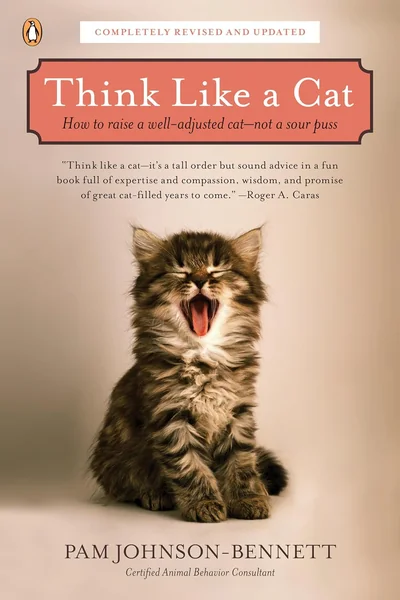
Think Like a Cat: How to Raise a Well-Adjusted Cat—Not a Sour Puss is Pam Johnson-Bennett's comprehensive guide to understanding feline instincts, covering everything from kitten selection and veterinary care to litter box management and behavior troubleshooting. Originally published in 2000 and revised, updated, and expanded in a 2011 Penguin Books edition, it is widely regarded as one of the most thorough cat ownership resources available, earning Johnson-Bennett the title "the queen of cat behavior" from author and pet expert Steve Dale.…
Read the Full ReviewBooks like Think Like a Cat
Curated picks for readers who enjoyed Think Like a Cat, with our reasoning for each match.
If you liked Think Like a Cat