Our reviews
1,017 books, each with who it's for, who should skip it, reading level and content notes, and every source we used.
1,017 reviews
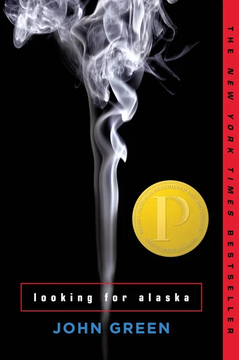
John Green
Best for: Readers aged 16 and up who want young adult fiction that takes adolescent grief, moral ambiguity, and philosophical inquiry as seriously as adult literary fiction — particularly those drawn to structurally inventive storytelling and John Green's wider body of work.
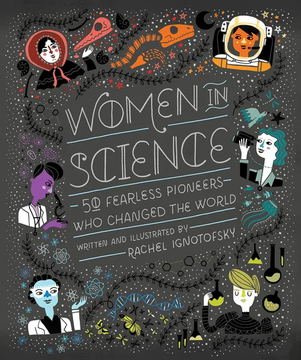
Rachel Ignotofsky
Best for: Students in grades 5–12, educators, and gift-givers looking for a visually rich, panoramic introduction to the history of women in STEM — from ancient mathematician Hypatia to modern figures like Katherine Johnson and Jane Goodall.
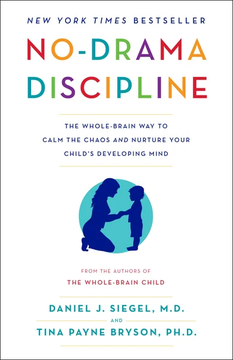
Daniel J. Siegel, Tina Payne Bryson
Best for: Parents and caregivers who want to understand the neuroscience behind children's misbehavior and are ready to replace reactive, consequence-first responses with a principled, repeatable connect-then-redirect framework.
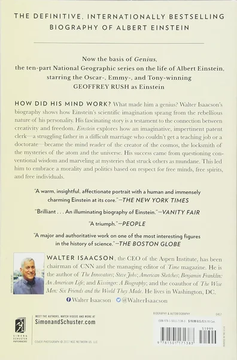
Walter Isaacson
Best for: General readers who want a substantive, narratively alive, and well-sourced account of Einstein's life and science — particularly those who enjoy sweeping, character-driven biographies of intellectual figures and are willing to engage with the physics without being physicists themselves.
Lillian Jacobs
Best for: Gaming enthusiasts — from retro devotees to RPG specialists — who want a substantial, structured multiple-choice quiz resource for solo self-testing or group competition nights.
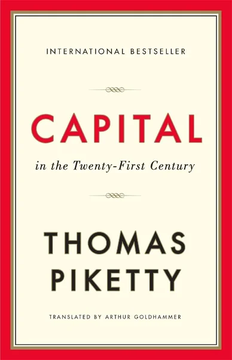
Thomas Piketty
Best for: Economists, historians, political scientists, policy professionals, and engaged general readers with a genuine tolerance for dense, data-heavy argumentation who want a rigorous, historically grounded account of wealth inequality and capitalism's long-run dynamics.
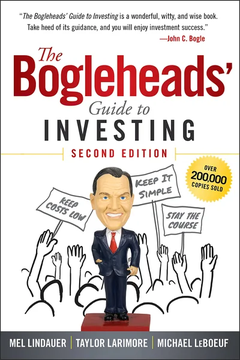
Mel Lindauer, Taylor Larimore, Michael LeBoeuf
Best for: Self-directed investors at any stage who want a philosophy-first, jargon-light framework for building long-term wealth through low-cost index funds — especially those new to Boglehead principles looking for the movement's canonical starting point.
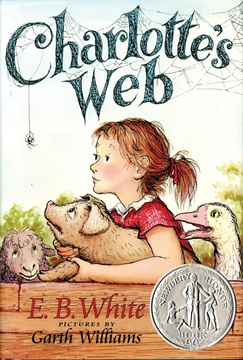
E. B. White
Best for: Readers aged five and up — and adults revisiting childhood favourites — who want a beautifully written story about friendship, sacrifice, and mortality that treats young readers as emotionally capable without losing an ounce of warmth.
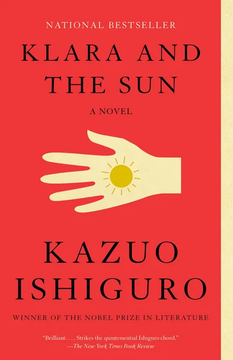
Kazuo Ishiguro
Best for: Readers who loved Never Let Me Go and are drawn to quiet, philosophically rich literary fiction that uses a speculative premise — here, an AI narrator — to explore mortality, love, and what it means to be human.
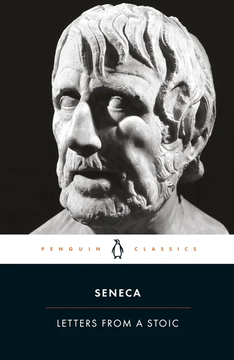
Lucius Annaeus Seneca
Best for: Readers new to Stoic philosophy who want an accessible, well-contextualised entry point into Seneca's moral thought — particularly those drawn to questions of how to face adversity, mortality, and distraction with clarity and resolve.
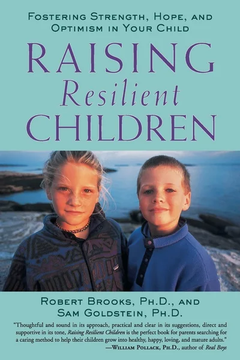
Robert Brooks and Sam Goldstein
Best for: Parents and caregivers — and educators or school counsellors — who want a comprehensive, principle-driven, evidence-backed framework for fostering emotional strength and optimism in children from early childhood through adolescence.
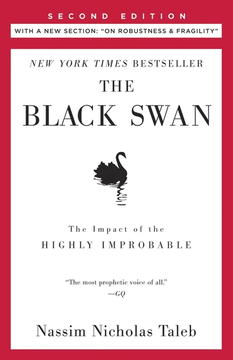
Nassim Nicholas Taleb
Best for: Readers in finance, risk management, or policy who want a rigorous yet readable challenge to conventional prediction-based thinking and expert overconfidence.
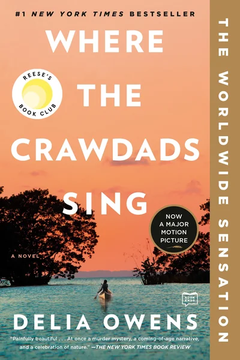
Delia Owens
Best for: Readers who love immersive sense-of-place fiction and want a cross-genre story that blends survival, romance, and courtroom mystery — especially those drawn to the natural world and emotionally resonant coming-of-age narratives.
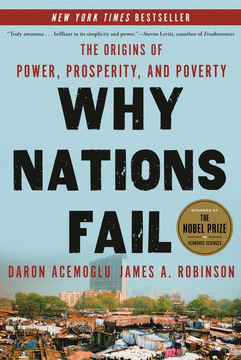
Daron Acemoglu and James A. Robinson
Best for: Readers with an interest in political economy, history, or development who want a sweeping, accessibly written argument — grounded in fifteen years of original research — for why institutions, not geography or culture, determine whether nations prosper or fail.
Ransom Riggs
Best for: YA readers drawn to atmosphere and formal novelty — particularly those who respond to eerie visual storytelling and are happy to let world-building and a genuinely original conceit carry the weight of the narrative.
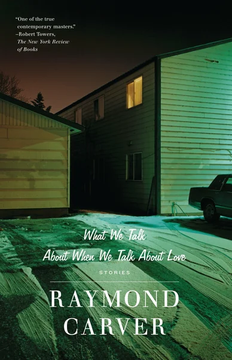
Raymond Carver
Best for: Readers already drawn to American literary minimalism, the working-class realist tradition, or Carver's wider body of work who want to engage with the collection that first established his reputation and remains a touchstone of the short story form.
J.L. Collins
Best for: Readers who feel overwhelmed or misled by the financial industry and want a clear, evidence-grounded starting point for building long-term wealth through index fund investing and financial independence principles.
Katherine Paterson
Best for: Readers aged nine and up — particularly those drawn to character-driven stories about friendship, imagination, and emotional resilience — who are ready to encounter a frank, deeply felt treatment of childhood grief and loss.
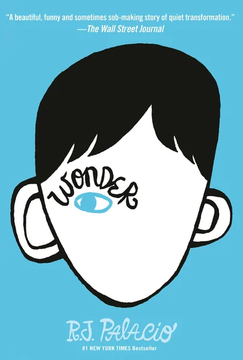
R. J. Palacio
Best for: Middle-grade readers aged nine to eleven — and the parents, teachers, or book-club facilitators who want a classroom-ready novel that opens honest conversations about difference, belonging, and the cost of cruelty.
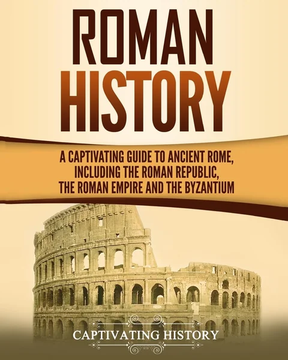
Captivating History
Best for: Curious general readers — students, history enthusiasts, or complete newcomers — who want a single, coherent narrative connecting the Roman Republic, the Roman Empire, and Byzantium without wading through academic textbooks.
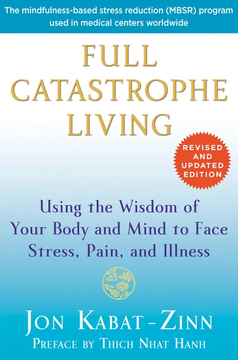
Jon Kabat-Zinn
Best for: Anyone dealing with chronic stress, pain, or illness — whether as a patient, clinician, or serious general reader — who wants a rigorous, science-backed, eight-week program guide rather than a breezy wellness primer.
V.E. Schwab
Best for: Readers who love lyrical, emotionally patient fantasy — particularly fans of The Time Traveler's Wife or Life After Life — who are drawn to a centuries-spanning premise that doubles as a meditation on women's erasure from history.
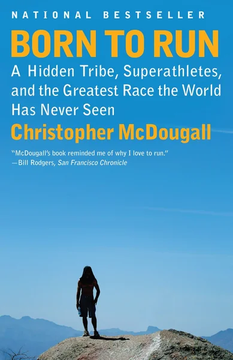
Christopher McDougall
Best for: Runners and non-runners alike who are drawn to adventure-driven narrative non-fiction and want an accessible, energetic introduction to the worlds of ultramarathoning, minimalist footwear, and evolutionary running science.
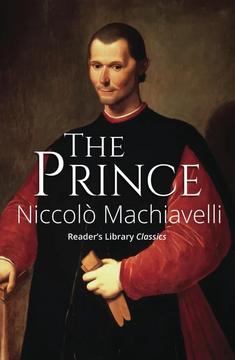
Niccolò Machiavelli
Best for: Readers seriously interested in the origins of modern political thought — students of history, political science, business strategy, or leadership theory — who want to engage with a foundational and deliberately provocative text in a compact, accessible edition.
