8 min read
4.5
· 101,260 Amazon ratingsShare This Review
One Dark Window by Rachel Gillig Review: A Gothic Debut with Real Stakes
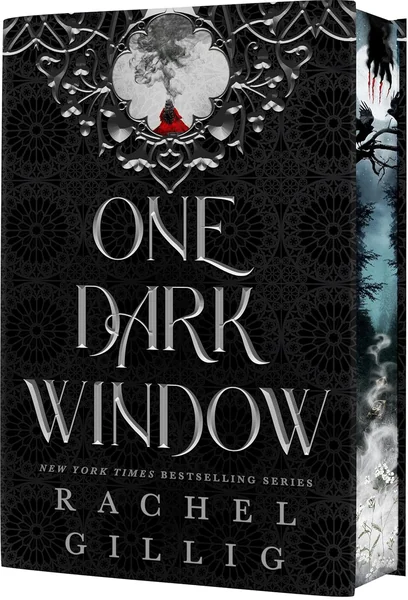
Rachel Gillig's debut gothic romantic fantasy, originally published by Orbit Books in 2022, introduces Elspeth Spindle and a five-hundred-year-old spirit called Nightmare in a mist-locked kingdom where magic is a death sentence — a premise that earned the novel a devoted BookTok following and mixed-but-engaged critical attention, with reviewers praising its evocative prose and magic system while flagging uneven pacing and a predictable romantic subplot.
LuvemBooks Verdict
Best for
Readers drawn to lushly gothic, atmosphere-first dark fantasy — especially those who loved Naomi Novik's Uprooted — who want a psychologically complex protagonist, a magic system with genuine moral weight, and a completed duology they can binge straight through to its conclusion.
Worth it if
The gothic atmosphere, the unsettling possession dynamic, and a magic system that takes its costs seriously matter more to you than airtight pacing or a romantically surprising slow burn.
Skip if
You prioritise tight structural plotting, a romance built on genuine unpredictability, or a villain whose secrets land as a surprise — critics found the pacing uneven, the cliffhanger ending disappointing, and Nightmare's identity reveal entirely obvious.
What readers & critics say
Archita Mittra at the Chicago Review of Books praised the prose as "evocative" and the magic system as "commendable," while Reactor's Maxim M. Martineau highlighted the novel's sustained attention to the cost of magic — but Mittra's review also criticised the pacing, called the ending's cliffhanger structure "disappointing," and judged the romantic subplot "predictable." Across retrieved reader reviews, the novel's gothic atmosphere and immersive worldbuilding drew consistent enthusiasm, though Nightmare's rhyming-couplet dialogue was noted as "inappropriately twee" in critical coverage.
Sources: Girl in the Pages, Pages and Tea Blog, Scattered Thoughts and Rogue Words, Courtney Reads Romance, Nazaha FreenAsk LuvemBooks
Was this helpful?
- Is it worth reading?
- For readers who prioritise immersive gothic atmosphere and a magic system with genuine moral weight, One Dark Window is well worth the investment. Archita Mittra at the Chicago Review of Books called Gillig's prose 'evocative,' and Reactor's Maxim M. Martineau praised the novel's sustained attention to the cost of magic — two pillars that its most devoted fans cite as reasons for the BookTok following it built organically after publication. The key caveat is structural: critics found the pacing uneven, the cliffhanger ending 'disappointing,' and Nightmare's identity reveal 'entirely obvious,' so readers who need tight plotting alongside their atmosphere may want to temper expectations.
- Similar books
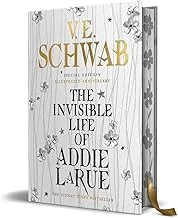
- Readers who enjoyed One Dark Window's blend of dark atmosphere and morally complex protagonists will find strong companions in several titles. V.E. Schwab's The Invisible Life of Addie LaRue explores a centuries-long bargain with a supernatural entity and questions of selfhood and autonomy — closely aligned with Elspeth's possession arc. Stephanie Garber's Once Upon a Broken Heart delivers the dark romantic fantasy atmosphere and morally ambiguous supernatural relationships that define Gillig's novel. For those drawn to the magic-system rigour and high stakes, Amber V. Nicole's The Book of Azrael and Mai Corland's Verity Guild offer similarly immersive dark fantasy worlds. DreamBound by Tim Adams and Sam Inzerillo rounds out the selection for readers who want gothic atmosphere paired with a strong speculative hook.
- Who should read this?
- One Dark Window is designed for adult readers of gothic and dark romantic fantasy — specifically those who gravitate toward atmosphere-driven worlds, morally complex protagonists grappling with autonomy and sacrifice, and magic systems that carry genuine consequences rather than uncomplicated wish fulfilment. The novel's possession mechanics, psychological horror elements, and adult romance content place it firmly in adult territory. Readers who loved Naomi Novik's Uprooted or Erin A. Craig's For the Wolf, and who are drawn to female-led fantasies with a dark, folkloric edge, are its most natural audience.
- About Rachel Gillig
- Rachel Gillig is an American gothic romantic fantasy author. One Dark Window is her debut novel.
- What are the main themes?
- At its core, One Dark Window grapples with bodily autonomy and the erosion of selfhood — Nightmare's possession of Elspeth is framed not as empowerment but as a slow, consequential loss of control over her own mind and body. The novel also interrogates the cost of power: the Providence Cards' magic comes with real physical and psychological consequences, and the kingdom's death sentence for those who manifest it raises questions about systemic persecution and survival. Sacrifice, moral compromise, and the tension between self-preservation and loyalty to others run through the central plot as Elspeth and Ravyn race to gather the twelve cards before the solstice.
- Who — or what — is Nightmare?
- Nightmare is a five-hundred-year-old spirit who takes up residence in Elspeth Spindle's mind after she touches one of the Providence Cards. He periodically seizes control of her body and grows stronger as her own health deteriorates — making him a source of both protection and existential threat. Critics noted two recurring reservations about the character: his habit of speaking in rhyming couplets was called 'inappropriately twee,' and his true identity reveal was judged 'entirely obvious' by reviewers, somewhat deflating the mystery the novel builds around him.
Summarize this book
Follow up
Synthesized from verified book data & published reviews · How we review
Press Enter to ask. Answers come from our editorial Q&A — start typing to see related questions.
Age & Reading Level
Recommended age
Ages 16+
Reading level
Adult
3 content notes · who it suits
Content to know about
Best for: Adults / mature 16+ — possession mechanics, psychological horror, adult romance content, and themes of state persecution and execution place this firmly in adult territory.
Skip if you prioritise tight, propulsive plotting or a slow-burn romance built on unconventional chemistry rather than familiar tropes.
Our Review
What the Book Is and What It Does
Significance and Cultural Footprint
Genuine Strengths: Prose, Magic System, and Cost
Where Critics Pushed Back
Who This Book Is For
Sources & Further Reading
The key facts and claims in this review are grounded in the retrieved, verified sources listed below.
- Cited in this review
- 1
en.wikipedia.org
- 2
- Further reading
- 3
Rachel Gillig, Wikipedia
- 4
- 5
scatteredthoughtsandroguewords.com
- 6
Books like One Dark Window
Curated picks for readers who enjoyed One Dark Window, with our reasoning for each match.
If you liked One Dark Window