9 min read
4.4
· 482 Amazon ratingsShare This Review
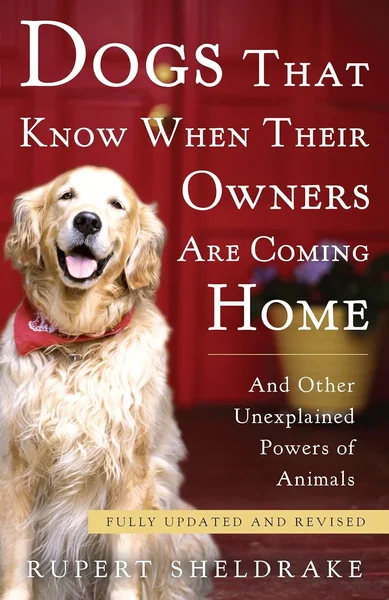
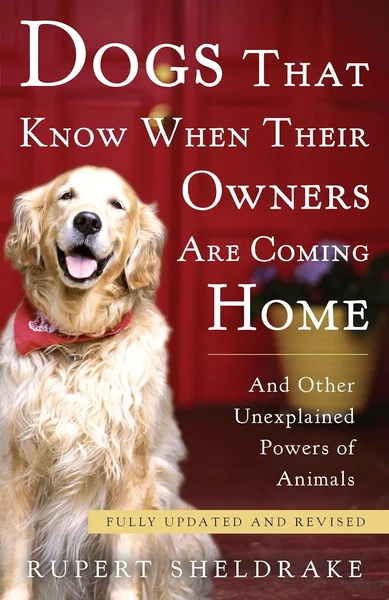
Dogs That Know When Their Owners Are Coming Home by Rupert Sheldrake Review: A Provocative Scientific Inquiry Into Animal Perception
First published in 1999 and reissued in a revised edition in 2011, Rupert Sheldrake's Dogs That Know When Their Owners Are Coming Home is a wide-ranging scientific investigation into unexplained animal behavior — from dogs that anticipate their owners' returns at unexpected times, to cats that appear to know when the vet visit is imminent, to animals that forewarn of epileptic seizures and seismic events. Drawing on a vast collection of case histories and proposing his theory of morphic fields, Sheldrake challenges the limits of conventional biology and asks readers to reconsider what animals — and the invisible bonds between them and humans — are truly capable of.
LuvemBooks Verdict
Best for
Pet owners and readers at the intersection of animal cognition, consciousness studies, and fringe biology who have witnessed inexplicable animal behavior and want a credentialed scientist to take those experiences seriously and situate them within a genuine theoretical framework.
Worth it if
Worth reading if you're open to following a Cambridge-trained biologist into territory that challenges mainstream science — and are comfortable with naturalistic case histories and theoretical argument rather than tightly controlled experimental design at every step.
Skip if
Skip it if you require hypotheses to sit within orthodox biological consensus, or if a heavy reliance on anecdotal case histories rather than controlled experimental evidence will undermine your confidence in the argument.
What readers & critics say
Kirkus Reviews praised the original edition as "an open-minded inquiry into animals' precognitive capabilities… attentive to the evidence and thoroughly investigative, conducted in the belief that science can be fun and rigorous, inquisitive as well as skeptical." Sheldrake's own site (sheldrake.org) summarises the book's thesis as demonstrating that pets and owners are "social animals linked together by invisible bonds… connecting animals to each other, to their owners, and to their homes in powerful ways."
“An open-minded inquiry… attentive to the evidence and thoroughly investigative, conducted in the belief that science can be fun and rigorous.”
— Kirkus Reviews“Sheldrake has gathered a vast number of case histories documenting animals that can tell when their owners are coming home.”
— Kirkus ReviewsAsk LuvemBooks
Was this helpful?
- Is it worth reading?
- For readers drawn to animal cognition, consciousness studies, and the outer edges of biology, LuvemBooks considers this a genuinely rewarding book — one that takes seriously experiences pet owners have long found inexplicable and places them within a rigorous intellectual framework. Kirkus Reviews praised it as 'an open-minded inquiry into animals' precognitive capabilities… conducted in the belief that science can be fun and rigorous, inquisitive as well as skeptical.' The core caveat is that the morphic field hypothesis sits outside mainstream scientific consensus, and the evidence base relies more on naturalistic case histories than controlled experimental design — readers who require the latter throughout will find the evidentiary standard uneven. Those willing to follow a credentialed scientist into contested territory, however, will find the book opens genuinely interesting debates rather than settling them.
- Similar books
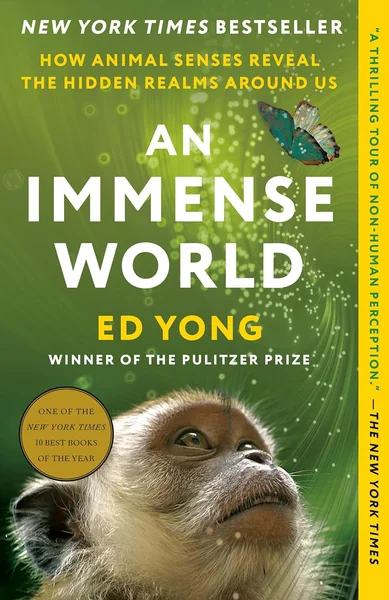
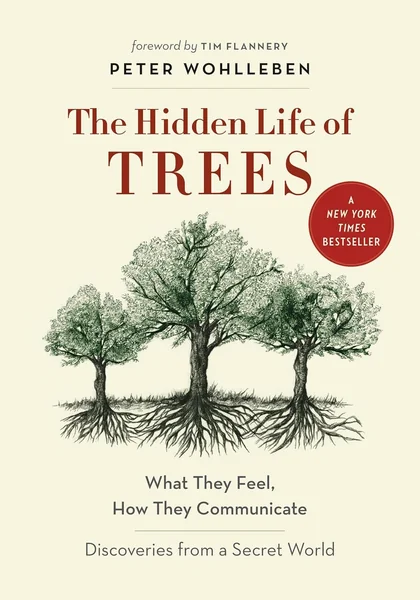
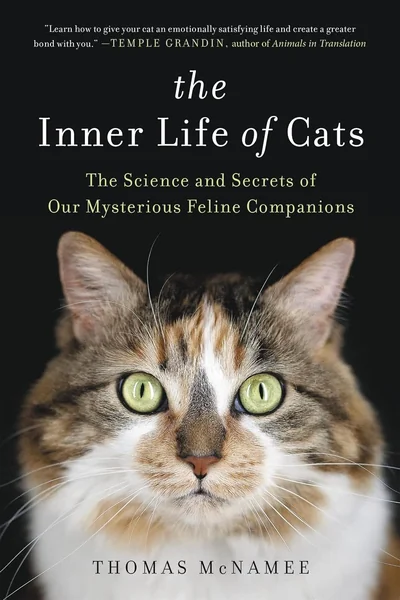
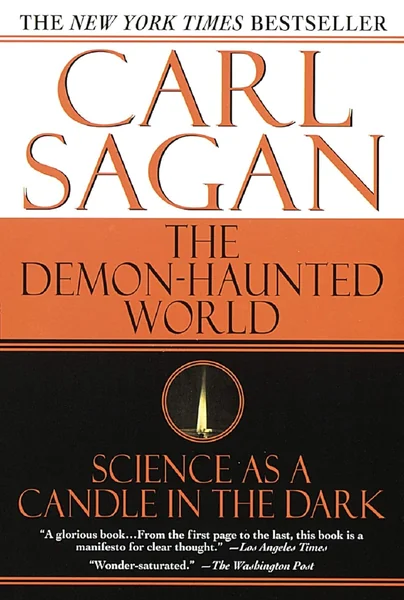
- Readers who enjoy this book are likely to gravitate toward other works exploring hidden animal capabilities and the outer limits of biological science. Ed Yong's An Immense World: How Animal Senses Reveal the Hidden Realms Around Us and Thomas McNamee's The Inner Life of Cats: The Science and Secrets of Our Mysterious Feline Companions both approach animal cognition and perception with serious scientific curiosity. Jonathan Balcombe's What a Fish Knows: The Inner Lives of Our Underwater Cousins and Peter Wohlleben's The Hidden Life of Trees: What They Feel, How They Communicate extend the inquiry into non-mammalian life in similarly boundary-pushing ways. Readers who prefer a more skeptical counterpoint to Sheldrake's hypothesis will find Carl Sagan's The Demon-Haunted World: Science as a Candle in the Dark a natural companion read.
- Who should read this?
- The book is designed for readers willing to follow a credentialed scientist into territory that challenges the boundaries of conventional thought — specifically those drawn to animal cognition, consciousness studies, and the outer edges of biology without requiring those edges to be neatly resolved. Pet owners who have witnessed inexplicable animal behavior will find their experiences taken seriously and placed within a serious intellectual framework. Readers committed to strictly orthodox biological frameworks or to controlled experimental design as the primary evidentiary standard are flagged as less likely to find the book satisfying, as the morphic field hypothesis remains outside mainstream scientific consensus.
- About Rupert Sheldrake
- Alfred Rupert Sheldrake is an English author and parapsychology researcher.
- What are the main themes?
- The book's central themes are the invisible bonds between animals and humans, the limits of conventional biological science, and the nature of animal consciousness. Sheldrake weaves together domestic anticipation behaviors, cross-species homing and migration, animals' apparent capacity to forewarn of medical crises and natural disasters, and the question of what these phenomena imply about biology and consciousness. The morphic field hypothesis — a model of self-organizing, memory-carrying influence fields connecting living systems — is the theoretical through-line that binds all of these phenomena into a single argument.
- What do notable authors say?
- The book carries endorsements from two prominent animal behavior authors. Jeffrey Moussaieff Masson, author of When Elephants Weep, is quoted in publisher materials calling it something that 'will turn our understanding of animals inside out.' Elizabeth Marshall Thomas, author of The Hidden Life of Dogs, described it as 'wonderful… splendid and thought-provoking.' Kirkus Reviews assessed the original edition as 'an open-minded inquiry into animals' precognitive capabilities… attentive to the evidence and thoroughly investigative, conducted in the belief that science can be fun and rigorous, inquisitive as well as skeptical.'
Summarize this book
Follow up
Synthesized from verified book data & published reviews · How we review
Press Enter to ask. Answers come from our editorial Q&A — start typing to see related questions.
Age & Reading Level
Recommended age
Adult
Reading level
Adult
who it suits
Skip if you require controlled experimental design throughout and are committed to orthodox biological frameworks.
Our Review
What the Book Actually Is and Argues
The Morphic Fields Hypothesis
Strengths: Breadth of Evidence and Scientific Seriousness
Genuine Limitations and Who May Resist It
Who This Book Is For and Why It Endures
Sources & Further Reading
The key facts and claims in this review are grounded in the retrieved, verified sources listed below.
- Cited in this review
- 1
- Further reading
- 2
Rupert Sheldrake, Wikipedia
- 3
kirkusreviews.com
- 4
- 5
- 6
Books like Dogs That Know When Their Owners Are Coming Home
Curated picks for readers who enjoyed Dogs That Know When Their Owners Are Coming Home, with our reasoning for each match.
If you liked Dogs That Know When Their Owners Are Coming Home