Our reviews
1,017 books, each with who it's for, who should skip it, reading level and content notes, and every source we used.
1,017 reviews
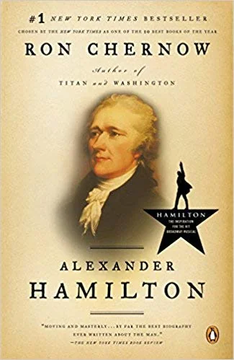
Ron Chernow
Best for: Readers — whether students of American history, fans of the Broadway musical seeking the primary source, or anyone curious about how the United States' financial and governmental architecture came to be — who want the most comprehensive, rigorously researched account of Hamilton's life and era available.
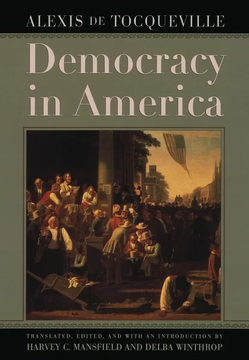
Alexis de Tocqueville
Best for: Serious students and scholars of political science, history, or the social sciences who want the most rigorous and faithful English translation of Tocqueville's landmark text, complete with scholarly apparatus for university-level study.
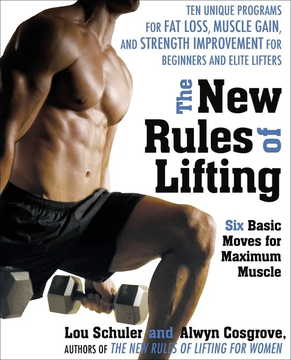
Lou Schuler, Alwyn Cosgrove
Best for: Anyone new to structured strength training — or an intermediate lifter ready to move beyond muscle-isolation splits — who wants a research-backed, movement-pattern programme delivered in an unusually readable, humour-laced voice.
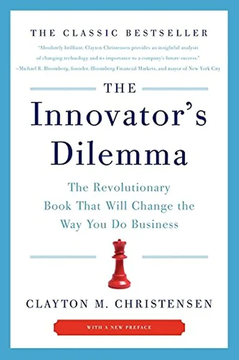
Clayton M. Christensen
Best for: Managers at established companies and entrepreneurs in strategy or leadership roles who need a rigorous conceptual framework for understanding why dominant firms are structurally vulnerable to disruption — and how challengers can exploit that vulnerability.
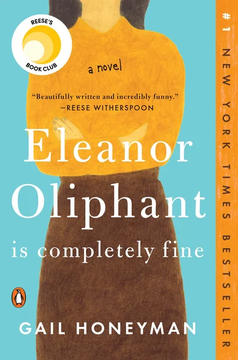
Gail Honeyman
Best for: Readers drawn to character-driven literary fiction who want emotional range — dark psychological depth wrapped in deadpan humour — and who respond to stories of found family and incremental healing.
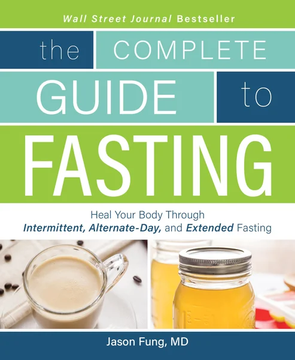
Dr. Jason Fung, Jimmy Moore
Best for: Readers who want a single, clinically informed reference covering the full spectrum of fasting protocols — from 16:8 intermittent windows to extended fasts — and who appreciate a book that pairs the physiological rationale with an actionable kick-start plan and recipes.
Francis Fukuyama
Best for: Readers with a serious interest in political science, comparative history, or the theory of state formation who want a rigorous, panoramic account of how modern governance institutions emerged — and why replicating them in fragile states is so difficult.
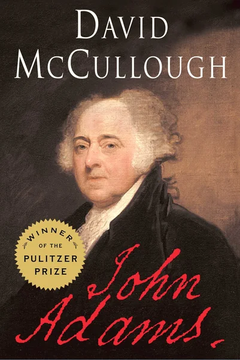
David McCullough
Best for: General readers drawn to American history, presidential biography, or the founding era who want a narrative-driven, emotionally rich full-life account of a long-underappreciated Founding Father.

Plato
Best for: Curious general readers and students who want an accessible digital entry point into one of philosophy's foundational texts — particularly those drawn to enduring questions about justice, happiness, and how society should be ordered.
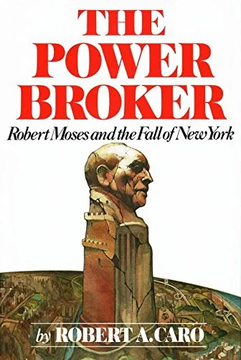
Robert A. Caro
Best for: Readers with a serious appetite for political history, urban studies, or biography who want to understand how institutional power is actually built and abused — and who are prepared to commit to a 1,280-page deep dive into twentieth-century American governance.
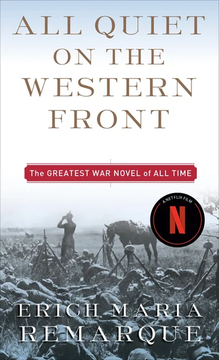
Erich Maria Remarque
Best for: Readers aged 15 and up — particularly those drawn to Hemingway-style war literature, students encountering it as assigned reading, or viewers of the 2022 Academy Award-winning film who want to experience the spare, first-person intimacy of Remarque's original source text.

Arthur Conan Doyle
Best for: Young mystery lovers aged 8–11 who are ready for genuine suspense and puzzle-driven plotting but are not yet equipped — or not yet motivated — to tackle unabridged Victorian prose, and for parents or teachers wanting to introduce Sherlock Holmes in a structured, illustrated chapter-book format.
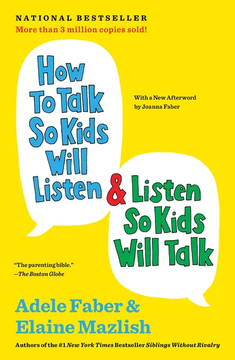
Adele Faber, Elaine Mazlish
Best for: Parents and caregivers who feel trapped in repetitive, unproductive exchanges with their children and want a structured, skills-based framework to improve everyday communication — as well as teachers and group educators looking for field-tested techniques.
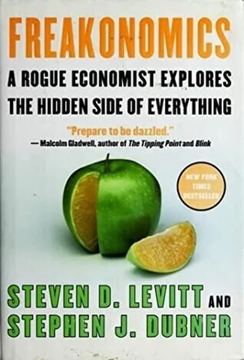
Steven D. Levitt, Stephen J. Dubner
Best for: Curious general readers who enjoy having their assumptions challenged and want an accessible, data-driven introduction to incentive-based thinking across subjects ranging from crime and parenting to baby names.
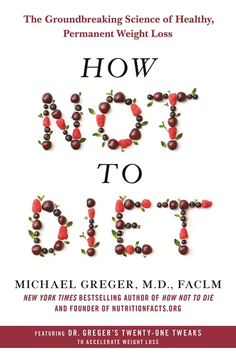
Michael Greger
Best for: Chronic dieters who have cycled through trending approaches without lasting results and want a rigorous, evidence-based explanation of why those approaches fail — and what the science actually supports instead.
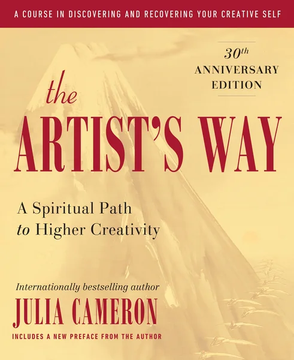
Julia Cameron
Best for: Anyone who feels creatively blocked, underutilised, or disconnected from a practice they once valued — regardless of whether they identify as a professional artist — and who is open to a structured, spiritually inflected twelve-week program for psychological and emotional unblocking.
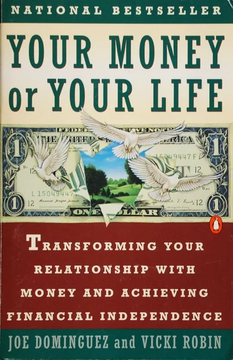
Joe Dominguez, Vicki Robin
Best for: Readers who suspect their earning and spending habits are out of step with what they genuinely value, and who want a structured, philosophically grounded nine-step framework — not just tactical tips — for diagnosing and reshaping their relationship with money.
Burton G. Malkiel
Best for: Investors at any stage — from first 401(k) to retirement — who want a rigorous, data-driven case for passive index-fund investing grounded in fifty years of academic research rather than market-beating tips.
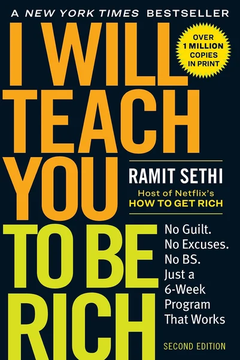
Ramit Sethi
Best for: Young adults who are new to managing money and want a structured, action-oriented program that builds an automated financial system from the ground up — with minimal prior knowledge required.
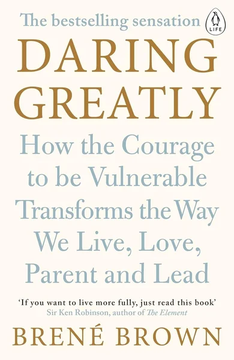
Brené Brown
Best for: Readers who feel held back by shame, fear of failure, or the urge to self-protect, and who want a research-backed, accessible framework for understanding vulnerability across their relationships, work, and parenting life.
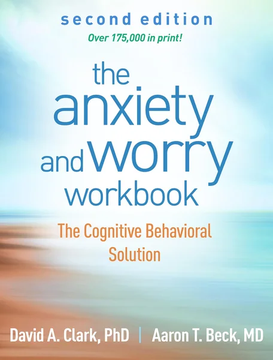
David A. Clark, Aaron T. Beck
Best for: Adults seeking a rigorous, self-directed CBT programme for anxiety or worry — particularly those who want a workbook with genuine clinical pedigree and are willing to commit to a structured, chapter-by-chapter process to build a personalised Anxiety Work Plan.
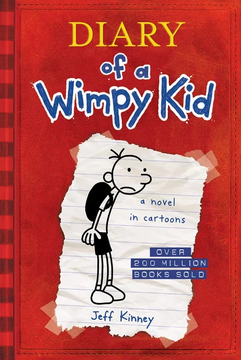
Jeff Kinney
Best for: Middle-grade readers aged 10–13 — especially reluctant readers — who respond better to a fast-paced, illustrated diary format than to traditional chapter-driven fiction, and who will delight in Greg Heffley's obliviously self-serving take on the social minefield of middle school.
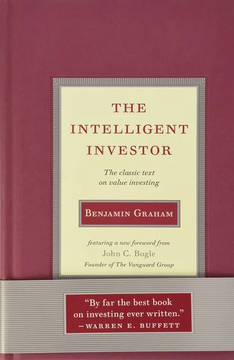
Benjamin Graham
Best for: Individual investors who want a principled, long-horizon framework for selecting undervalued stocks and are willing to engage with financial metrics like earnings ratios, dividend criteria, and asset values — particularly those drawn to the philosophical foundation of value investing rather than tactical, short-term trading guidance.
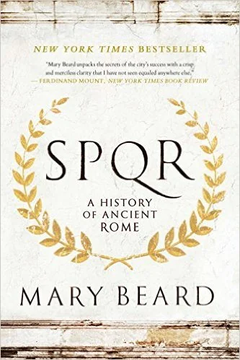
Mary Beard
Best for: Readers with some existing curiosity about ancient Rome who want to understand how we know what we know about Roman history — its multicultural realities, contested identities, and political complexity — rather than a straightforward chronological survey of emperors and battles.
