At a glance
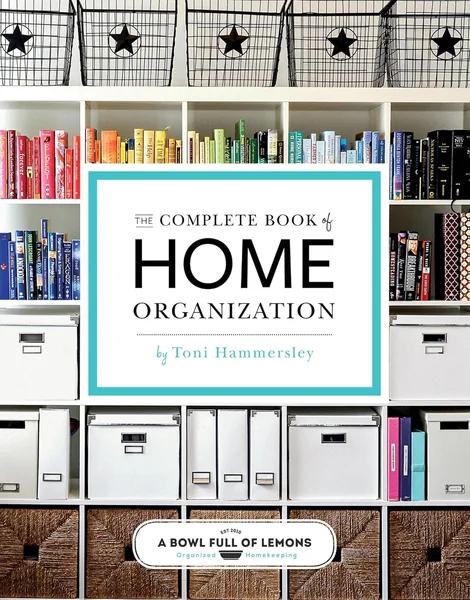
The Complete Book of Home Organization
LuvemBooks Verdict
Best for: Households looking for a single, exhaustive room-by-room organizing reference — especially those who want step-by-step, category-level instructions and an optional 15-week structured challenge rather than a high-level philosophical approach.
Worth it? Skip it? Read the full verdict →Ask LuvemBooks
Was this helpful?
- Is it worth reading?
- For readers who want a comprehensive, checklist-driven system for tackling an entire home, The Complete Book of Home Organization delivers real value — particularly through its 15-week challenge structure and unusually granular advice that names specific item categories rather than offering vague motivational guidance. The combination of photographs, illustrations, and written instructions also makes spatial concepts more accessible. The key caveat is that the book's very comprehensiveness can feel daunting for anyone seeking quick, targeted help with a single space, and some specific product examples — DVDs, particular Tupperware configurations — reflect 2016 organizing norms that may not map precisely onto every contemporary household.
- Similar books
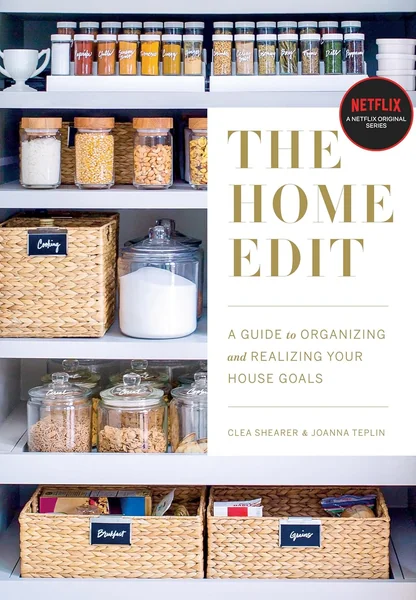
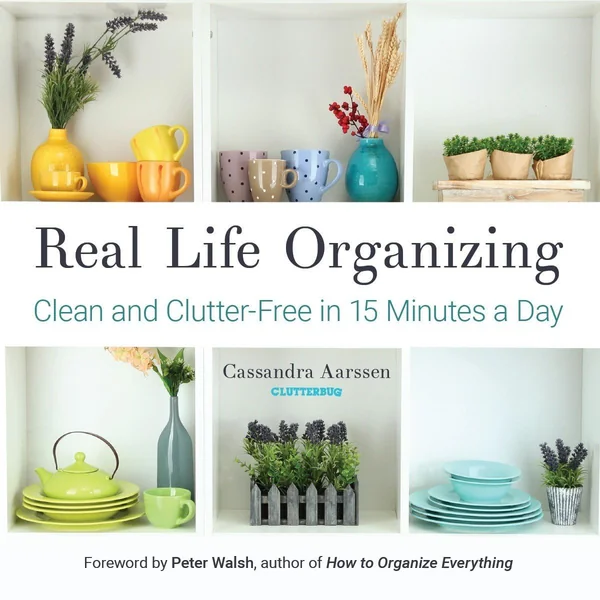
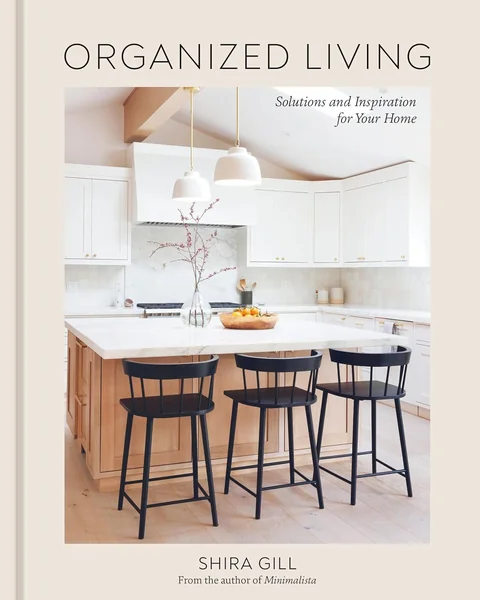
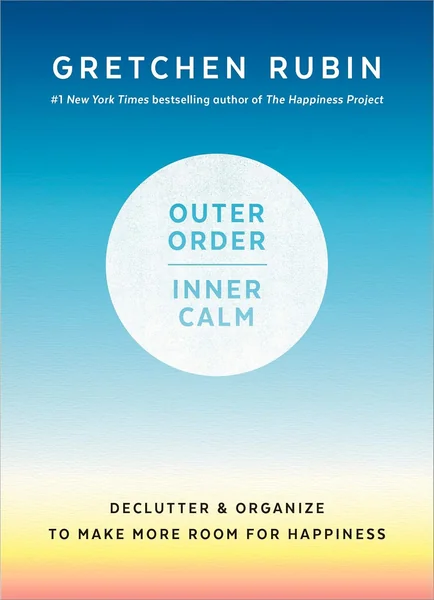
- Readers who enjoy The Complete Book of Home Organization may also want to explore The Home Edit: A Guide to Organizing by Clea Shearer and Joanna Teplin, which shares the aspirational, visually driven approach to whole-home organization. Cassandra Aarssen's Real Life Organizing: Clean and Clutter-Free in 15 Minutes a Day offers a similarly accessible, action-focused method for readers who want manageable daily steps. Shira Gill's Organized Living: Solutions and Gretchen Rubin's Outer Order, Inner Calm: Declutter both provide complementary perspectives — Gill with a streamlined, design-conscious lens and Rubin with a lighter, habit-building approach. Marie Kondō's The Life-Changing Magic of Tidying Up is the most prominent contrast: where Hammersley emphasizes operational systems and checklists, Kondō builds a philosophical framework around the emotional relationship with possessions.
- Who should read this?
- The Complete Book of Home Organization is best suited to readers who want a comprehensive, system-driven approach to whole-home organization and respond well to checklists and structured timelines — particularly those who have found other organizing books too motivational and not operational enough. The 15-week challenge format makes it especially appealing to readers who want external pacing rather than self-directed effort. It also serves as a strong single-volume reference for households with a wide variety of spaces to address, from garages and utility rooms to baby and kids' rooms, home offices, and outdoor areas. Readers seeking quick guidance on a single problem space, a minimalism philosophy, or a book that accounts for contemporary digital-first households may find a more targeted fit elsewhere.
- How detailed is the advice?
- The book's granularity is one of its most distinguishing features. Rather than staying at a high motivational level, it drills into specific item categories — cataloging DVDs, separating Tupperware lids from bases for better storage, sorting junk mail for immediate recycling, routing bills, managing school paperwork, and keeping only current magazines and newspapers. This reflects Hammersley's background as a blogger who built a large audience by translating abstract tidying principles into concrete, repeatable steps. Readers who have felt that other organizing books stop short of telling them exactly what to do with a particular drawer or shelf will find this specificity more immediately actionable.
- Does Hammersley have other books?
- Toni Hammersley is also the author of The Complete Book of Clean, which shares a brand identity and structural approach with The Complete Book of Home Organization — both are built around thorough, space-by-space coverage rather than a single overarching philosophy. Hammersley is also the creator of the organizing blog A Bowl Full of Lemons, where she developed the accessible, step-by-step style that characterizes both books.
- How is the book structured?
- The book is organized around 30 main home spaces — spanning living and dining rooms, bedrooms and bathrooms, guest areas, baby and kids' rooms, utility spaces, garages, entryways, home offices, patios, decks, closets, and pet areas — with each chapter offering problem-solving sections, checklists, and weekly challenges. Underpinning the whole volume is a 15-week total home organization challenge that sequences the spaces into a time-bound, whole-home roadmap. The format combines written instructions with photographs and illustrations, providing visual references alongside the text. This structure is designed to support both cover-to-cover reading and dipping back in as specific spaces need attention.
Summarize this book
Follow up
Synthesized from verified book data & published reviews · How we review
Press Enter to ask. Answers come from our editorial Q&A — start typing to see related questions.
Age & Reading Level
Recommended age
Adult
Reading level
Adult
who it suits
Skip if you want a philosophical framework for letting go of possessions rather than a step-by-step operational system.
Editorial Review
Toni Hammersley's The Complete Book of Home Organization (Weldon Owen, 2016) is a practical home-organization manual that walks readers through 30 distinct home spaces, pairing storage solutions and cleaning tips with space-saving strategies and a structured 15-week whole-home challenge — a thorough resource for anyone ready to tackle clutter systematically.
Read the Full ReviewBooks like The Complete Book of Home Organization
Curated picks for readers who enjoyed The Complete Book of Home Organization, with our reasoning for each match.
If you liked The Complete Book of Home Organization