
At a glance
About the Author
Emily Brontë, Pauline Nestor1 book reviewed
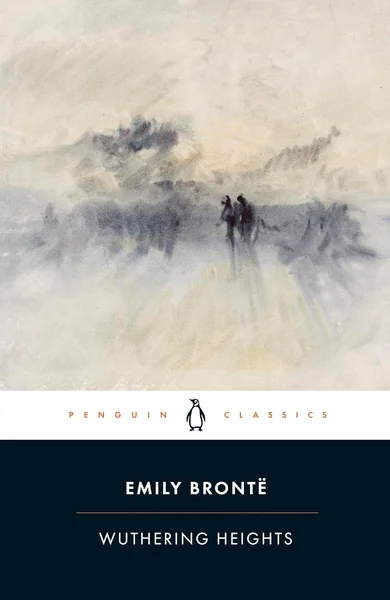
Wuthering Heights
by Emily Brontë, Pauline Nestor
LuvemBooks Verdict
Best for: Students, serious general readers, and anyone returning to Wuthering Heights who wants scholarly grounding — Pauline Nestor's introduction and Lucasta Miller's preface make this edition especially well-suited to academic and classroom contexts.
Worth it? Skip it? Read the full verdict →Ask LuvemBooks
Was this helpful?
- Is it worth reading?
- Wuthering Heights is widely regarded as one of the greatest novels written in English, and this Penguin Classics revised edition makes a compelling case for why. The novel's exploration of obsession, class, revenge, and transgression remains ferociously original, and Virginia Woolf's observation — that Brontë could "fill these unrecognizable transparencies with such a gust of life that they transcend reality" — speaks to its continued power to unsettle received ideas about fiction and human nature. The key caveat is that the novel is not an easy read: its non-linear narrative structure and the Yorkshire dialect of the servant Joseph both present genuine challenges, and new readers should enter prepared for deliberately fractured, demanding storytelling.
- Similar books
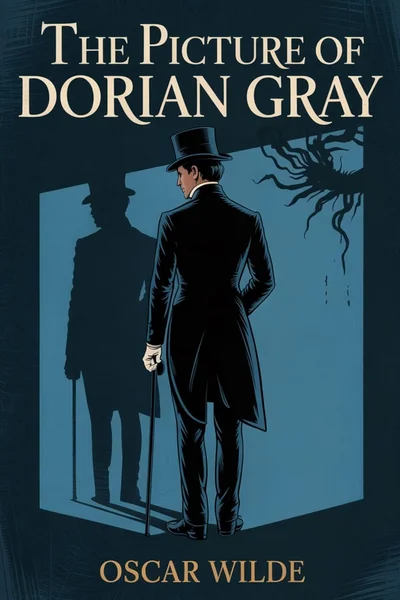
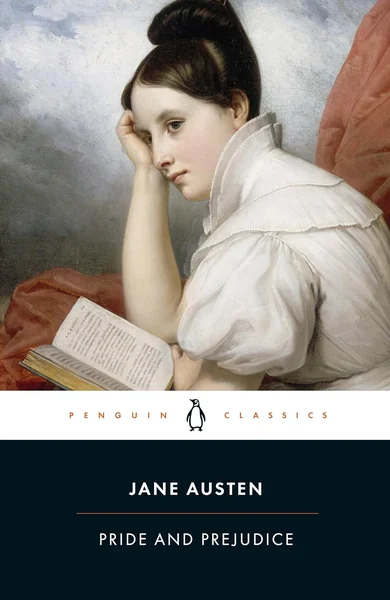
- Readers drawn to Wuthering Heights for its Gothic atmosphere and morally complex characters will find much to explore in the curated selection below. Oscar Wilde's The Picture of Dorian Gray shares the novel's fascination with obsession, moral corruption, and the dark undercurrents beneath Victorian surfaces. Jane Austen's Pride and Prejudice offers the same nineteenth-century English social world but with a sharply comic rather than Gothic lens — a useful contrast. Victor Hugo's The Hunchback of Notre Dame similarly centres on doomed, consuming passion and social transgression, while John Milton's Paradise Lost, with its Romantic rehabilitation of a defiant, fallen figure, casts a long shadow over Heathcliff's characterisation. Jane Eyre by Charlotte Brontë — Emily's sister — is perhaps the most natural companion read, exploring similarly dark questions of passion, class, and female agency in the same Victorian milieu.
- Who should read this?
- This Penguin Classics revised edition is best suited to three groups: students and academics who need a well-annotated text with critical apparatus, serious general readers approaching Wuthering Heights for the first time and wanting scholarly context, and returning readers who want a fresh interpretive lens through Miller's preface on the novel's reception history. Readers who want a lean, unencumbered text without editorial notes, or who are primarily seeking a conventional romance, will find both the novel itself and this edition's scholarly architecture more demanding than they may anticipate.
- What age is it for?
- Best for readers aged 16 and above. Customer reading-age guidance places the novel at 16+, consistent with its demanding narrative architecture, morally complex characterisation, and themes of domestic cruelty, obsession, and revenge. The Yorkshire dialect of the servant Joseph and the novel's non-linear, nested narrative structure add comprehension challenges that are better suited to confident, experienced readers. This Penguin Classics edition's scholarly apparatus makes it especially appropriate for older secondary-school and undergraduate students.
- What are the main themes?
- The novel's central themes are obsession, revenge, class, and transgression — explored through the destructive bond between Heathcliff and Catherine Earnshaw and its consequences across two generations. Brontë mounts a fierce challenge to Victorian conventions of class, religion, and morality: Heathcliff, a foundling of unknown origin, is simultaneously victim and oppressor within a rigid social hierarchy. The novel is also preoccupied with the nature of love as possession rather than liberation, and with the way individual passion can become a force that deforms and destroys everyone it touches. Its roots in both Romanticism and Gothic fiction give these themes an elemental, almost mythic intensity.
- Tell me about the adaptations
- Wuthering Heights has inspired adaptations across film, television, stage, and music for nearly two centuries — a measure of its extraordinary cultural reach. Among the most celebrated film versions is the 1939 Hollywood production directed by William Wyler, starring Laurence Olivier as Heathcliff and Merle Oberon as Catherine; a 1992 film adaptation starred Ralph Fiennes and Juliette Binoche. Andrea Arnold directed a striking 2011 adaptation notable for casting a Black actor in the role of Heathcliff, foregrounding the question of his ambiguous origins. Kate Bush's 1978 debut single "Wuthering Heights" brought the novel to an entirely new audience and remains one of the most recognisable cultural responses to the book. The breadth of these adaptations reflects the novel's status as a genuine cultural touchstone.
Summarize this book
Follow up
Synthesized from verified book data & published reviews · How we review
Press Enter to ask. Answers come from our editorial Q&A — start typing to see related questions.
Age & Reading Level
Recommended age
Ages 16+
Reading level
Adult
3 content notes · who it suits
Content to know about
Best for: Mature 16+ — demanding narrative structure, unflinching depictions of domestic cruelty, obsession, and revenge, and morally unresolved characterisation suit experienced readers
Skip if you're looking for a hopeful or conventionally redemptive love story
Editorial Review
Emily Brontë's only novel, first published in 1847 under the pen name Ellis Bell, endures as one of the most celebrated works in English literature — a ferocious story of obsession, revenge, and doomed passion set against the bleak Yorkshire moors, now available in a Penguin Classics revised edition featuring an introduction and notes by Pauline Nestor and a new preface by Lucasta Miller.
Read the Full ReviewBooks like Wuthering Heights
Curated picks for readers who enjoyed Wuthering Heights, with our reasoning for each match.
If you liked Wuthering Heights
Why It’s Trending
Emerald Fennell's 'Wuthering Heights' Film Hits Screens in 2026
A new film adaptation of Wuthering Heights, written and directed by Emerald Fennell, is out now — and it's sending readers straight back to Emily Brontë's original novel. If you've been curious about the source material, this is the perfect moment to pick it up.