
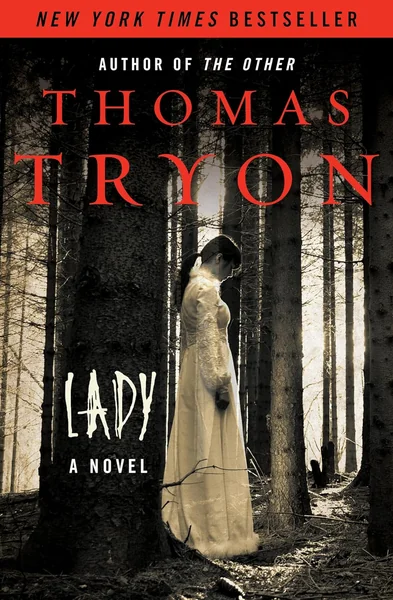
At a glance
LuvemBooks Verdict
Best for: Readers who love immersive 1930s American small-town atmosphere and character-driven storytelling, and who are willing to invest in a slow, patient build-up for a genuinely surprising and emotionally resonant payoff at the close.
Worth it? Skip it? Read the full verdict →Ask LuvemBooks
Was this helpful?
- Is it worth reading?
- For readers who appreciate deliberate, character-driven storytelling with a strong sense of place, Lady delivers a satisfying payoff — the Des Moines Register called it 'a spellbinder with a twisted ending' and reader response, particularly from those who encountered the e-book reissue, has been enthusiastic, with some describing it as among the most memorable love stories they have read. The caveat is significant, however: Kirkus Reviews at publication called the novel 'rather uneventful (until the crowded close),' and the extended, gentle middle section will genuinely test readers who prefer propulsive pacing. Patience is a real prerequisite, not a polite warning.
- Similar books
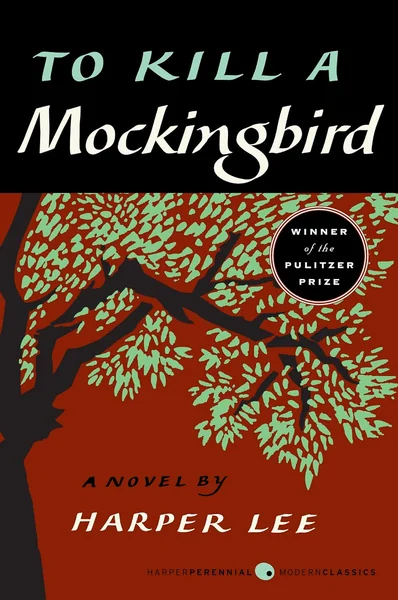
- Readers drawn to Lady's combination of nostalgic Americana and buried dark secrets will find natural companions in several of the curated titles below. Dandelion Wine by Ray Bradbury shares the same quality of a boy's-eye view of small-town American life rendered in vivid period atmosphere. A Tree Grows in Brooklyn by Betty Smith offers a similarly immersive, character-driven portrait of a bygone American community. To Kill a Mockingbird by Harper Lee echoes Lady's use of a child narrator uncovering adult secrets in a tightly drawn Southern community. Beloved by Toni Morrison, while set earlier, similarly uses a haunted domestic space and a woman's devastating hidden past as its emotional core. For readers interested in Tryon's own fictional world, The Other and Harvest Home — the two preceding Pequot Landing novels — provide essential context, though both carry more overt supernatural menace than Lady.
- Who should read this?
- Lady is ideal for adult readers who love immersive period atmosphere and are willing to let a narrative build slowly toward a powerful emotional conclusion. Fans of richly textured Americana — the kind of reader who responds to 1930s detail like Jack Benny on the radio and Ipana toothpaste advertisements — will find the novel's extended mood-building rewarding rather than frustrating. It is also the natural next read for anyone who has finished The Other and Harvest Home and wants a third, more domestic angle on Tryon's Pequot Landing world. Those who prefer consistent tension or supernatural horror should look elsewhere.
- About Thomas Tryon
- Thomas Lester Tryon was an American actor and novelist.
- What are the main themes?
- Lady is built around the tension between surface respectability and buried truth — Lady Harleigh presents as a figure of grace and elegance, but the novel's architecture is constructed around what Woody, and through him the reader, does not yet know. Themes of grief, loss, and the cost of secrets kept within a tightly knit community run throughout, as does a sustained meditation on childhood innocence giving way to adult understanding. The 1930s small-town American setting is not merely backdrop but a thematic argument: the icebox, the radio programs, and the town Green are the architecture of a world that looks wholesome and cohesive until it doesn't.
- Where should I start with Thomas Tryon?
- For most readers, The Other is the natural entry point — it spent nearly six months on the New York Times bestseller list and established the Pequot Landing world with considerable supernatural force. Harvest Home followed as a second Pequot Landing novel, and Lady completes the trilogy as its most domestic and restrained installment. Readers who want Tryon at his most atmospheric and psychologically intense should begin with The Other; those drawn specifically to period character study and slow-burn revelation may find Lady a satisfying starting point in its own right.
Summarize this book
Follow up
Synthesized from verified book data & published reviews · How we review
Press Enter to ask. Answers come from our editorial Q&A — start typing to see related questions.
Age & Reading Level
Recommended age
Adult
Reading level
Adult
2 content notes · who it suits
Content to know about
Skip if you want consistent supernatural tension or horror in the vein of The Other and Harvest Home.
Editorial Review
Thomas Tryon's Lady is the third novel set in the fictional Connecticut village of Pequot Landing, following the New York Times bestseller The Other and Harvest Home. Narrated through the adoring eyes of a boy named Woody, it unspools as an unhurried portrait of 1930s American small-town life before pivoting to a deeply shadowed revelation about the elegant, mysterious Lady Harleigh.…
Read the Full ReviewBooks like Lady
Curated picks for readers who enjoyed Lady, with our reasoning for each match.
Why It’s Trending
Readers Rediscovering Thomas Tryon's Atmospheric Small-Town Mysteries
Thomas Tryon's quiet-but-unsettling brand of literary suspense is finding new readers again, likely thanks to renewed interest in his back catalog. If you liked The Other or Harvest Home, Lady is the natural next step — and it holds up.