At a glance

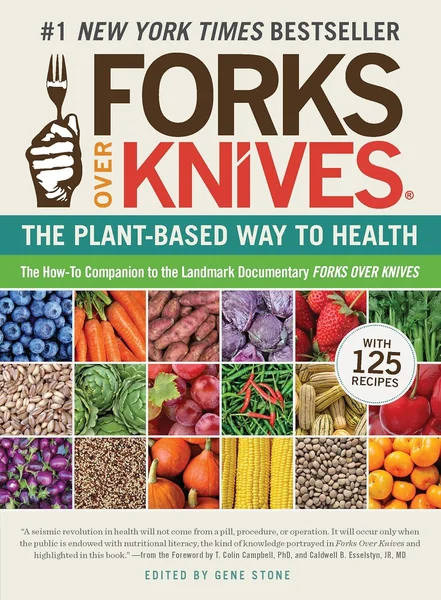
Forks Over Knives
by Gene Stone
LuvemBooks Verdict
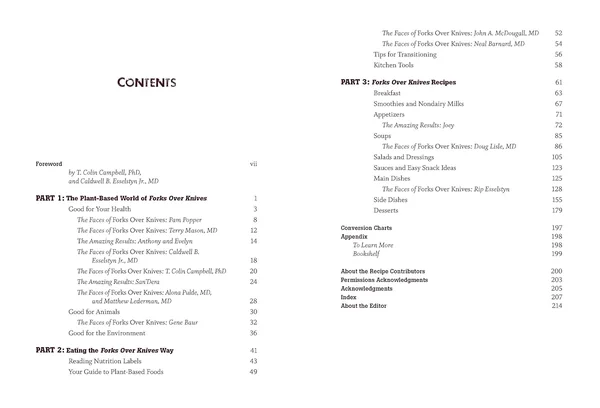
Best for: Readers who saw the Forks Over Knives documentary and want a credentialed, consolidated printed resource that combines the film's whole-food, plant-based argument with 96 practical recipes for every meal of the day.
Worth it? Skip it? Read the full verdict →Preview the book
Ask LuvemBooks
1 user found this summary helpful
- Is it worth reading?
- Forks Over Knives earns its place as a thorough, consolidated entry point for readers curious about the whole-food, plant-based approach to chronic disease prevention. Its most defensible asset is the concentration of credentialed authority in one place — rather than relying on Stone's editorial voice alone, it marshals the research of Campbell and Esselstyn directly alongside 96 practical recipes. The significant caveat is that its strongest claims — that chronic diseases including certain cancers can be prevented and even reversed through diet alone — remain contested in mainstream medicine, so readers should approach it as advocacy-driven reading rather than settled consensus. Those already deeply familiar with The China Study or Esselstyn's prior writing may find the ground familiar.
- Similar books
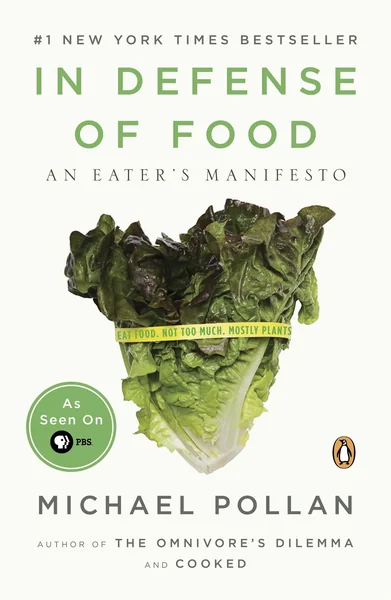
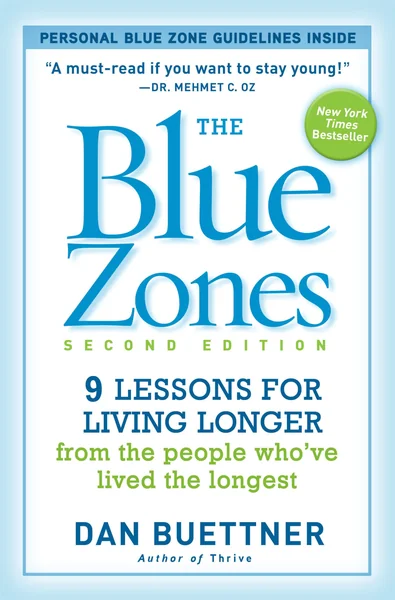
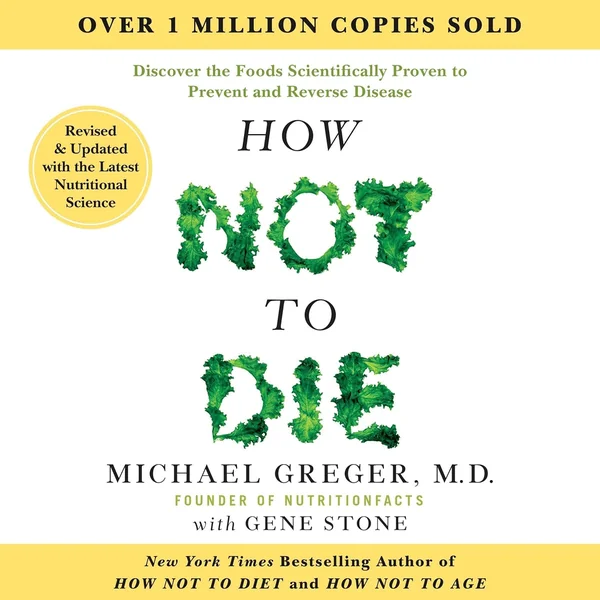
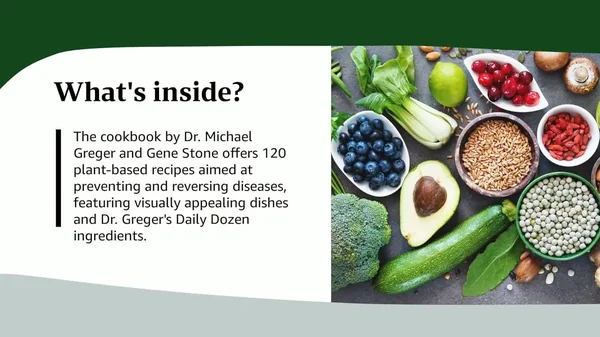
- Readers drawn to Forks Over Knives will find natural companions in the curated books below. The China Study by T. Colin Campbell and Thomas M. Campbell is the primary research text that underpins much of the book's argument, making it the logical next step for those who want the deeper science. The How Not to Die Cookbook by Michael Greger and Gene Stone shares Stone as co-author and offers a recipe-forward complement grounded in similar nutritional philosophy. For a broader lens on diet and longevity, How Not to Diet by Michael Greger M.D. FACLM and The Blue Zones by Dan Buettner both examine evidence-based approaches to healthy eating across populations. In Defense of Food by Michael Pollan offers a more mainstream counterpoint on food quality and the Western diet.
- Who should read this?
- Forks Over Knives is best suited to readers who are curious about the whole-food, plant-based approach to chronic disease prevention and are looking for a consolidated, accessible starting point. It is particularly well matched to viewers of the 2011 documentary who want a more detailed printed resource to return to, as well as home cooks who are open to plant-based cooking and want both the scientific rationale and 96 practical recipes in one volume. Readers who are already well-versed in T. Colin Campbell's The China Study or Esselstyn's prior work may find the content familiar, and those who want purely practical recipe content without nutritional advocacy may find the balance less suited to their needs.
- About Gene Stone
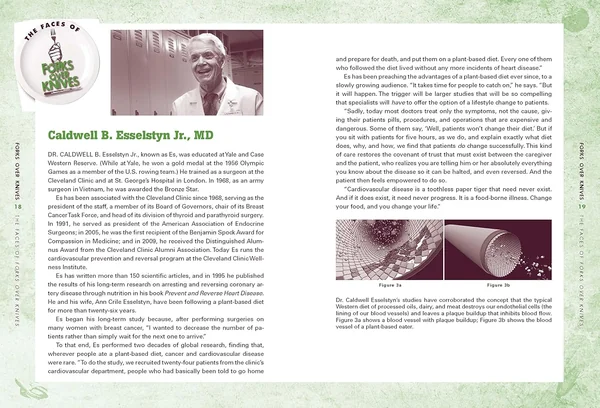
- Gene Stone is an American writer and editor known for his books on animal rights and plant-based food.
- Tell me about the documentary
- The book is a direct companion to the 2011 documentary Forks Over Knives, which made the same central case for whole-food, plant-based eating as a tool against chronic disease. Roger Ebert of the Chicago Sun-Times gave the documentary three out of four stars, calling it 'a film that could save your life,' signaling serious critical attention. However, the film's aggregate scores reflected divided opinion — 61% positive from 36 critics on Rotten Tomatoes and a Metacritic score of 57 out of 100 ('mixed or average'). Despite that critical divide, the documentary was awarded the Documentary/Special Interest Title of the Year in 2012 by the Entertainment Merchants Association, demonstrating its reach into mainstream wellness culture.
- How does this compare to The How Not to Die Cookbook?
- Forks Over Knives and The How Not to Die Cookbook by Michael Greger and Gene Stone share a commitment to plant-based nutrition but serve different purposes. Forks Over Knives is structured as a companion to a documentary, leading with the scientific and philosophical case for plant-based eating before delivering 96 recipes — meaning readers encounter substantial argumentative groundwork. The How Not to Die Cookbook is more recipe-forward, offering 100+ recipes grounded in a similar nutritional philosophy. Readers primarily interested in the 'why' behind plant-based eating will find Forks Over Knives the more argumentatively detailed choice; those who want to get into the kitchen more quickly may prefer The How Not to Die Cookbook.
Summarize this book
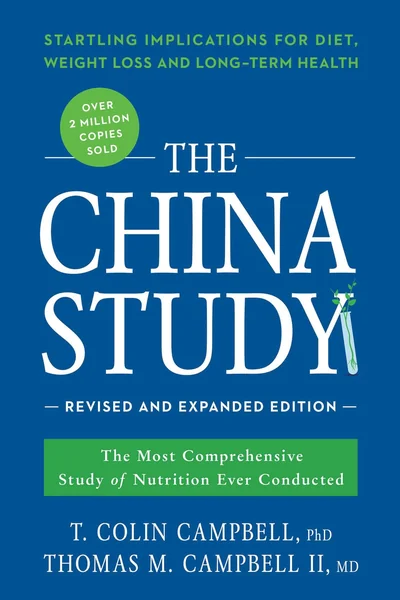
The China Study: The Most Comprehensive Study of Nutrition Ever Conducted and the Startling Implications for Diet, Weight Loss, and Long-Term Health by T. Colin Campbell and Thomas M. Campbell
4.7
/ 5
First published in 2005 and expanded in a 2016 revised edition from BenBella Books, The China Study by T. Colin Campbell and Thomas M. Campbell is one of America's best-selling books about nutrition, making a forceful case that a whole-food, plant-based diet can help people escape, reduce, or reverse a wide range of chronic diseases — a claim that has driven both widespread adoption and sustained scientific debate.
View on LuvemBooks →
Forks Over Knives by Gene Stone
4.5
/ 5
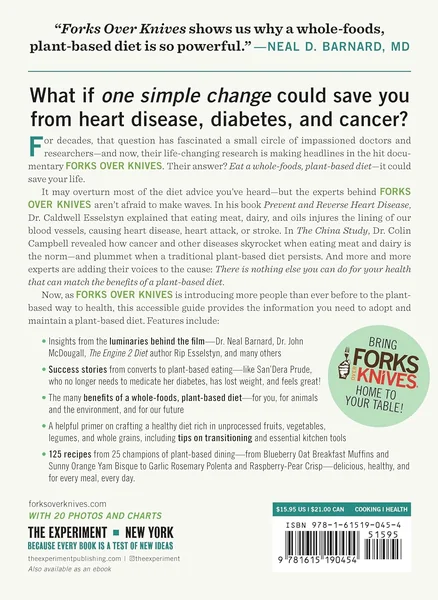
Edited by Gene Stone, with forewords by T. Colin Campbell and Caldwell B. Esselstyn, Forks Over Knives is a New York Times bestseller that builds on the landmark 2011 documentary to make the case that a whole-food, plant-based diet can prevent and reverse chronic diseases including heart disease, diabetes, and certain cancers. It is an essential entry point for readers curious about the science and practice behind plant-based eating.
View on LuvemBooks →
Follow up
Synthesized from verified book data & published reviews · How we review
Press Enter to ask. Answers come from our editorial Q&A — start typing to see related questions.
Age & Reading Level
Recommended age
Adult
Reading level
Adult
who it suits
Skip if you want a purely recipe-focused plant-based cookbook without substantial nutritional advocacy and ideological framing.
Editorial Review
Edited by Gene Stone, with forewords by T. Colin Campbell and Caldwell B.…
Read the Full ReviewBooks like Forks Over Knives
Curated picks for readers who enjoyed Forks Over Knives, with our reasoning for each match.
More by Gene Stone
If you liked Forks Over Knives