Our reviews
1,017 books, each with who it's for, who should skip it, reading level and content notes, and every source we used.
154 reviews match
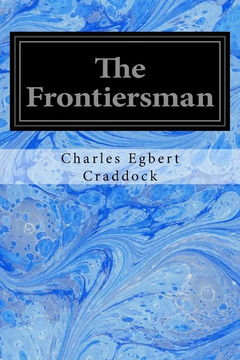
Charles Egbert Craddock
Best for: Readers with an interest in American regional and local-color fiction who want to explore an underappreciated voice of the genre — Mary Noailles Murfree — through stories engaging frontier life, settler–Cherokee encounters, and early Appalachian landscapes on their own early-twentieth-century terms.
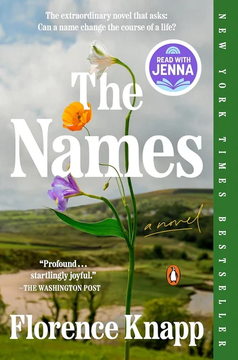
Florence Knapp
Best for: Readers drawn to structurally ambitious literary fiction who want a morally serious, emotionally demanding exploration of how a single early decision — a child's name — can reshape identity, family, and generations, particularly those who appreciate braided timelines and unflinching treatment of domestic violence.
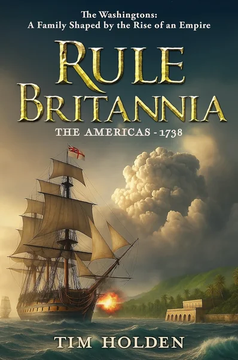
Tim Holden
Best for: Readers of family-centred historical fiction who want to explore the British imperial world that shaped the Washington dynasty before the Revolutionary War era, and who are happy to commit to a trilogy from its opening volume.
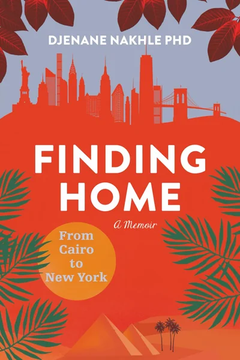
Djenane Nakhle
Best for: Readers drawn to literary memoir and immigrant narratives who want a candid, psychologically self-aware account of cross-cultural reinvention rooted in the specific historical realities of mid-twentieth-century revolutionary Egypt.
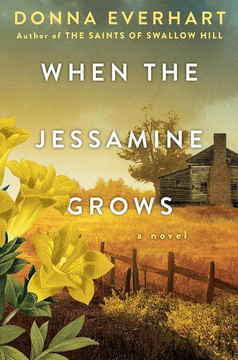
Donna Everhart
Best for: Readers who find the Civil War most compelling when seen through the domestic sphere — women managing farms, families, and impossible moral choices — and who enjoy character-driven Southern historical fiction with rich book-club discussion potential.
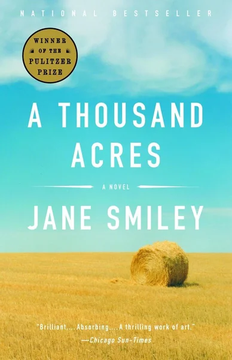
Jane Smiley
Best for: Readers drawn to American literary fiction who want a feminist reframing of a canonical text — specifically those interested in how family trauma, gender, and landscape intersect beneath the surface of a familiar Shakespearean tragedy.
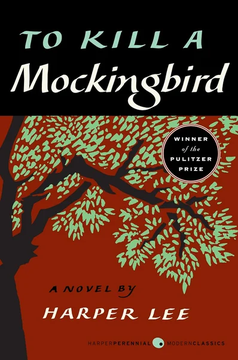
Harper Lee
Best for: Readers aged 14 and up — particularly those drawn to Southern Gothic fiction, courtroom drama, or coming-of-age stories — who want a morally serious novel that uses a child's perspective to illuminate racism and injustice in Depression-era America.
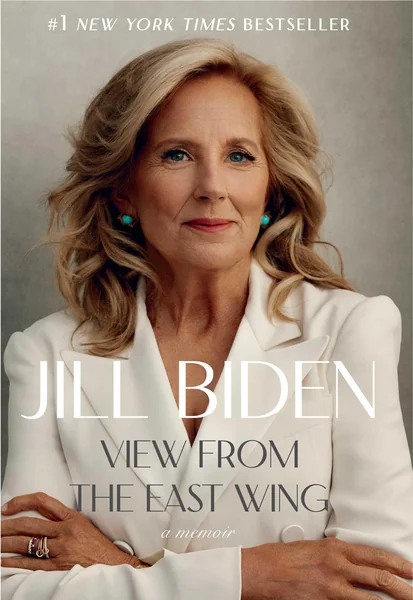
Jill Biden
Best for: Readers drawn to intimate, character-driven political memoir who want the lived, first-person texture of the Biden White House years — including candid family grief, historic firsts, and genuinely newsworthy disclosures — rather than a forensic policy retrospective.
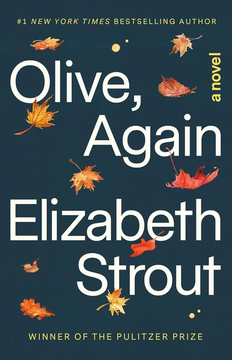
Elizabeth Strout
Best for: Readers who loved Olive Kitteridge and want to follow its prickly, deeply human protagonist into late life through Strout's precise, plainspoken prose and mosaic storytelling.
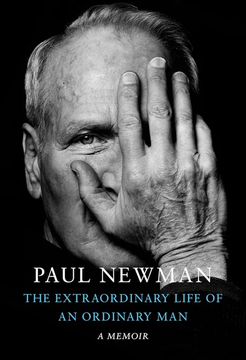
Paul Newman
Best for: Readers drawn to psychologically honest portraits of public figures — particularly fans of mid-twentieth-century Hollywood, the method-acting generation, or anyone curious about the private contradictions behind one of cinema's most iconic faces.
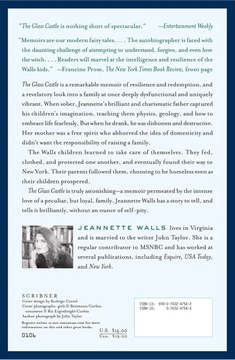
Jeannette Walls
Best for: Readers drawn to unsentimental American memoirs about poverty, family dysfunction, and hard-won self-determination — particularly those who want emotional complexity over tidy moral resolution.
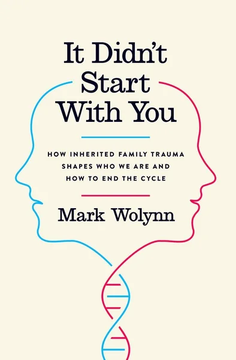
Mark Wolynn
Best for: Readers experiencing persistent depression, anxiety, phobias, or physical symptoms that feel disproportionate to their own life history and who are open to exploring whether unresolved ancestral trauma — mapped through a structured, named methodology — might be a contributing factor.
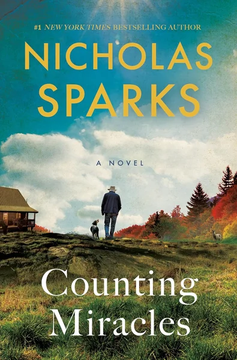
Nicholas Sparks
Best for: Devoted Nicholas Sparks readers who want his signature blend of small-town romance, spiritual reflection, and emotionally cathartic storytelling delivered with confident, well-honed craft.
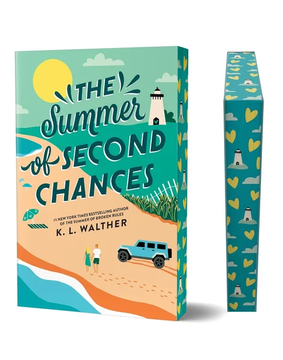
K. L. Walther
Best for: Teens aged 14–18 who loved The Summer of Broken Rules or any of K. L. Walther's previous Martha's Vineyard stories and want more of that same sun-drenched, emotionally layered YA summer romance — especially readers who enjoy when grief and family dynamics quietly deepen a central love story.
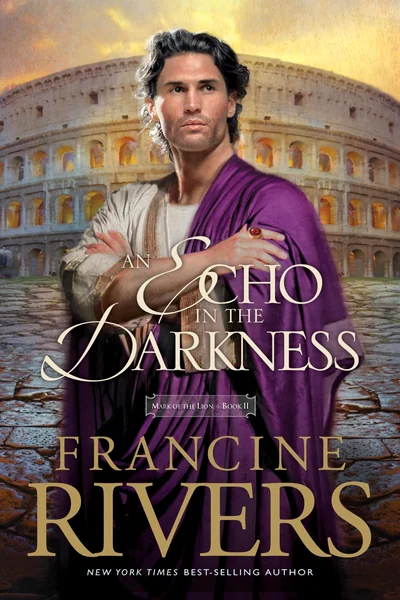
Francine Rivers
Best for: Readers already invested in Francine Rivers's Mark of the Lion trilogy who want Christian historical fiction that explores faith, forgiveness, and early Roman persecution with genuine moral complexity rather than easy resolution.
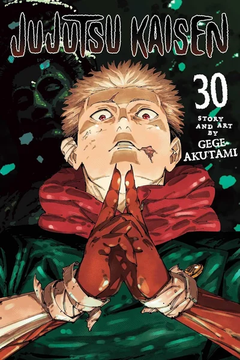
Gege Akutami
Best for: Long-term Jujutsu Kaisen fans who have followed all 30 volumes and want a definitive, if imperfect, conclusion to Itadori's battle against Sukuna and closure on the full supporting cast.
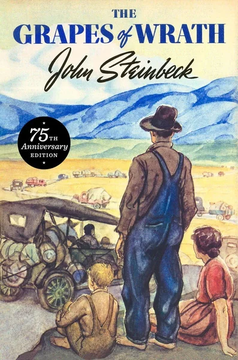
John Steinbeck
Best for: Readers who want to own a presentation-quality hardcover of one of the most decorated novels in American literature — particularly those drawn to the commemorative design of Elmer Hader's original cover art and Michael Schwab's endpapers — as well as first-time readers approaching the Joads' story of Dust Bowl dispossession for the first time.
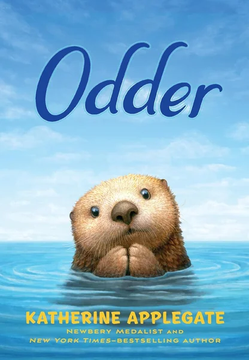
Katherine Applegate
Best for: Readers aged 8 and up — particularly those drawn to marine life, animal stories, or verse fiction — who want an ecologically grounded, emotionally honest coming-of-age story told from a wild animal's perspective.
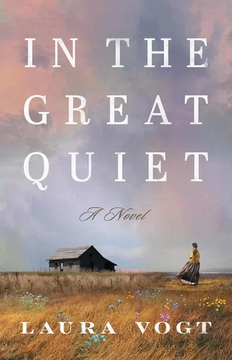
Laura Vogt
Best for: Readers of literary historical fiction who want a slow, immersive, place-driven story about a woman's inner transformation — specifically those drawn to atmospheric prose, psychological interiority, and the complex social landscape of the American frontier.
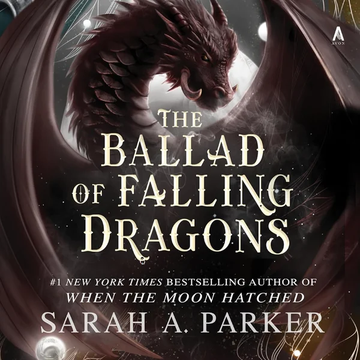
Sarah A. Parker
Best for: Readers already invested in the Moonfall duology — particularly fans of dark romantasy with serious stakes, grief-laden central relationships, and intricate world-building — who are ready to see Kaan and Raeve's story through to its conclusion.
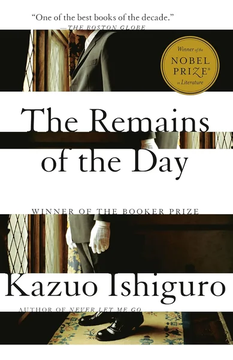
Kazuo Ishiguro
Best for: Readers who relish literary fiction of the highest formal ambition — particularly those drawn to unreliable narrators, understated prose, and novels that use one man's emotional self-deception to illuminate questions of class, duty, and political complicity in twentieth-century England.
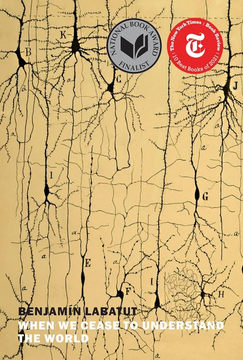
Benjamin Labatut
Best for: Readers drawn to meditative, formally unconventional literary fiction — particularly those interested in the moral and psychological costs of scientific discovery — who are comfortable with a Sebaldian blend of documented history and invented interiority.
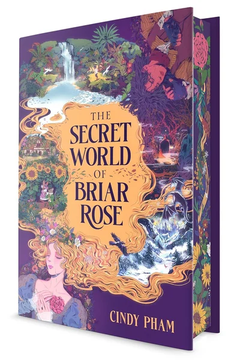
Cindy Pham
Best for: Readers aged 14 and up who want a structurally ambitious, emotionally serious Sapphic fairy-tale retelling and are comfortable with shifting timelines, grief, mental health themes, and queer and nonbinary representation woven into the core cast.
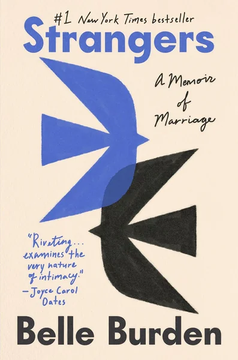
Belle Burden
Best for: Readers drawn to memoir at the intersection of marriage, identity, and money — particularly those following the wider cultural conversation about women's financial vulnerability inside long-term partnerships.
