10 min read
4.6
· 13,860 Amazon ratingsShare This Review

Our review
It Didn't Start with You
It Didn't Start with You by Mark Wolynn Review: A Groundbreaking Guide to Inherited Trauma
It Didn't Start with You is an international bestseller — with more than three million copies sold and translations into 39 languages — in which Mark Wolynn, a pioneer in the field of inherited family trauma, presents his Core Language Approach: a structured method for identifying and breaking the cycles of depression, anxiety, phobias, and physical symptoms that may originate not with the individual but with parents, grandparents, or even great-grandparents. This review covers the book's content and published reception; it does not reflect hands-on application of its methods.
LuvemBooks Verdict
Best for
Readers experiencing persistent depression, anxiety, phobias, or physical symptoms that feel disproportionate to their own life history and who are open to exploring whether unresolved ancestral trauma — mapped through a structured, named methodology — might be a contributing factor.
Worth it if
Worth engaging with if you want a step-by-step, interdisciplinary framework — drawing on psychology, epigenetics, and neuroscience — for identifying and interrupting inherited family trauma cycles, and you're comfortable working within a practitioner-developed approach rather than strictly peer-reviewed clinical protocols.
Skip if
Skip it, or at least approach it with caution, if you have an acute or complex trauma history best processed with professional guidance, or if you require primary peer-reviewed literature as the basis for any therapeutic framework you engage with.
What readers & critics say
Genuine reader and practitioner reviewers consistently highlight the book's affirming, structured approach to inherited trauma: advancedcounselingbozeman.com describes it as "not a light read, but deeply affirming for anyone who has sensed that their struggles might be rooted in something older than themselves," while notesbythalia.com credits it as "packed with psychology, science, and deep-dive exercises to help you break the cycle." A dissenting voice on app.thestorygraph.com cautions that the book "is a bit reductive, assumes a universal baseline for all people," and that patient stories lack critical reflection on when the approach may not apply.
Sources: advancedcounselingbozeman.com, notesbythalia.com, app.thestorygraph.com, livinginsandiego.substack.com, myndlift.comAsk LuvemBooks
Was this helpful?
- Is it worth reading?
- For readers experiencing depression, anxiety, or phobias that seem disproportionate to their own life history and haven't responded to conventional approaches, It Didn't Start with You offers a genuinely distinctive explanatory framework and an original, structured methodology — not generic self-help advice. The clinical endorsements from credentialed figures such as Tara Brach, PhD, and Dr. Bruce Hoffman, Medical Director of The Hoffman Centre for Integrative Medicine, lend it more weight than typical popular-press praise. The honest caveat is that the epigenetic transmission of trauma remains an active area of scientific debate, so readers who prioritize peer-reviewed clinical evidence are advised to supplement with primary research. Those managing acute trauma histories should also consider working through the exercises with professional therapeutic support rather than entirely solo.
- Similar books
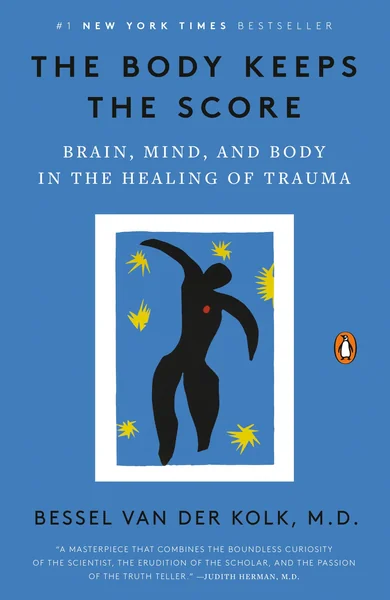
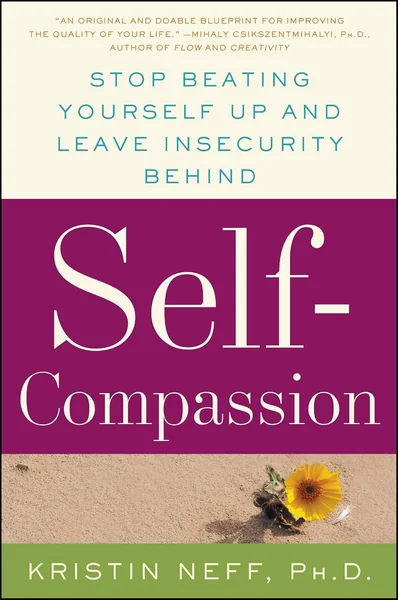
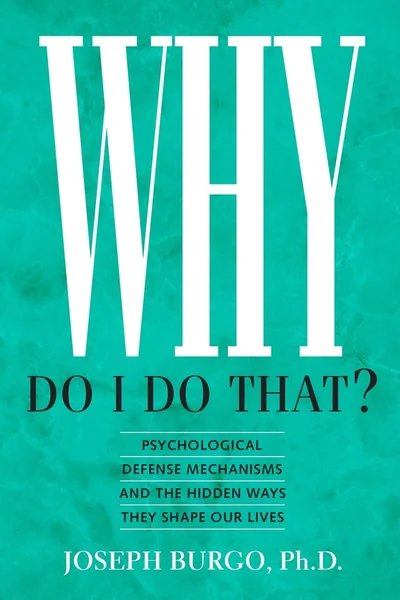
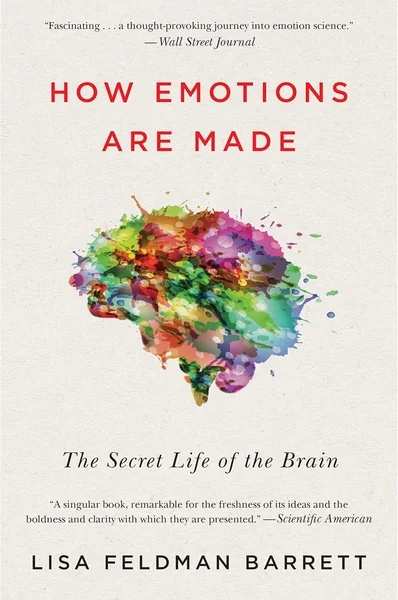
- Readers drawn to It Didn't Start with You often find rich companions in the broader trauma and psychology shelf. Bessel van der Kolk's The Body Keeps the Score: Brain, Mind, and Body in the Healing of Trauma is the landmark text on how trauma is held in the body and nervous system, making it a natural complement. Hilary Jacobs Hendel's It's Not Always Depression: Working the Change Triangle to Listen to the Body, Discover Core Emotions, and Connect to Your Authentic Self offers another body-centred, step-by-step framework for readers who respond to structured therapeutic approaches. For those interested in the psychological defenses that shape behavior below conscious awareness, Joseph Burgo's Why Do I Do That?: Psychological Defense Mechanisms and the Hidden Ways They Shape Our Lives provides an accessible deep dive. Kristin Neff's Self-Compassion: The Proven Power of Being Kind to Yourself is a useful pairing for readers who want to build the inner resources needed to face difficult inherited material, and Lisa Feldman Barrett's How Emotions Are Made: The Secret Life of the Brain adds rigorous neuroscience context for readers who want to understand the science underlying emotion and memory.
- Who should read this?
- Wolynn explicitly addresses readers experiencing depression, anxiety, phobias, obsessive thoughts, or physical symptoms that seem disproportionate to their own life history — people for whom conventional approaches have not fully explained or resolved what they are going through. It is also well-suited to therapists, counselors, and practitioners in psychology and integrative medicine looking for a structured clinical framework on intergenerational trauma. Readers with a general interest in epigenetics, neuroscience, and the science of how experience is passed between generations will find the interdisciplinary framing engaging. Those who require peer-reviewed clinical evidence as the primary basis for any therapeutic approach, or who are managing acute trauma histories without professional support, should approach the self-guided exercises with appropriate caution.
- What are its limitations?
- Two limitations stand out and are worth naming before purchase. First, the epigenetic transmission of trauma remains an active and at times contested area of scientific research; readers who prefer peer-reviewed clinical evidence over practitioner-developed frameworks should supplement the book with primary literature. Second, the Core Language Approach is self-guided, meaning readers processing difficult ancestral material — including family histories involving abuse, violent loss, or acute trauma — are working without a therapist present. Wolynn addresses this territory with care, but the review notes that readers managing acute trauma histories may benefit from professional support alongside the exercises. These are characteristics inherent to the genre rather than unique flaws, but they are material considerations for prospective readers.
- Who endorses this book?
- The book carries credentialed clinical endorsements that go beyond typical popular-press praise. Tara Brach, PhD — author of Radical Acceptance — calls it a 'groundbreaking book' that offers 'a compelling understanding of inherited trauma and fresh, powerful tools for relieving its suffering,' and describes Wolynn as 'a wise and trustworthy guide on the journey toward healing.' Dr. Bruce Hoffman, Medical Director of The Hoffman Centre for Integrative Medicine, calls it 'essential reading' and characterizes Wolynn's approach as 'groundbreaking.' Diane Poole Heller, PhD — author of The Power of Attachment — is also among the endorsers. These are psychologists and medical practitioners, not simply popular figures, which lends the reception a clinical weight consistent with the book's interdisciplinary ambitions.
- Are there updated editions or a workbook?
- Yes to both. The original first edition was published in 2016 by Penguin Life, and a fully revised and updated 2025 edition has since been released, reflecting the field's ongoing development. A dedicated companion volume — The Official It Didn't Start with You Workbook — has also been published for readers who want a structured, step-by-step complement to the core book's exercises and Core Language Approach.
Summarize this book
Follow up
Synthesized from verified book data & published reviews · How we review
What would you like to know about It Didn't Start with You?
Answers come from our editorial notes on this book. If we haven't covered something, we'll say so.
Readers often ask
Our Review
What the Book Is and What It Argues
Structure and Method: The Core Language Approach
Reception and Significance
Genuine Strengths
Limitations and Who May Find It Challenging
Sources & Further Reading
The key facts and claims in this review are grounded in the retrieved, verified sources listed below.
- Cited in this review
- 1
- 2
- Further reading
- 3
markwolynn.com
- 4
notesbythalia.com
- 5
- 6
advancedcounselingbozeman.com
Age & Reading Level
Recommended age
Adult
2 content notes · who it suits
Content to know about
Skip if you require peer-reviewed clinical evidence as the primary basis for therapeutic approaches and are not open to practitioner-developed frameworks.
Reader reviews
Be one of the first readers to answer.
Read it? Was it right for you?
Books like It Didn't Start with You
Curated picks for readers who enjoyed It Didn't Start with You, with our reasoning for each match.
If you liked It Didn't Start with You