8 min read
4.6
· 31,580 Amazon ratingsShare This Review

Our review
Counting Miracles
Counting Miracles by Nicholas Sparks Review: A Heartfelt Romance of Faith and Second Chances
Counting Miracles is a #1 New York Times bestselling novel by Nicholas Sparks, published by Random House on September 24, 2024, weaving together an Army Ranger's search for roots, a doctor's guarded heart, and an elderly man's mysterious woodland vigil into a story about faith, love, and whether people can truly change. This review covers the novel's content, design, and published critical reception — not hands-on reading experience.
LuvemBooks Verdict
Best for
Devoted Nicholas Sparks readers who want his signature blend of small-town romance, spiritual reflection, and emotionally cathartic storytelling delivered with confident, well-honed craft.
Worth it if
You come to Sparks for fully realised characters, a warmly rendered Southern setting, and a dual-plot structure that lets themes of faith and mortality breathe alongside the central love story — and you're happy to be comforted rather than challenged.
Skip if
Readers approaching it as literary fiction outside genre conventions are likely to find the tidy resolution, idealized setting, and near-allegorical white deer more formulaic than transcendent.
What readers & critics say
The Washington Post described the novel as a satisfying "escape" and called it "a tidy miracle you can count on," while Booklist (as surfaced by snailonthewall.com) awarded it a starred review, praising Sparks's "fully developed, sympathetic characters with complete and compelling backstories" and predicting his many fans "will find just what they're looking for."
“Sparks's new romance novel might be just the escape readers are looking for.”
— Washington PostAsk LuvemBooks
Was this helpful?
- Is it worth reading?
- For Nicholas Sparks's established readership — readers who prize romantic tension, spiritually inflected reflection, and emotionally cathartic endings — Counting Miracles is a deeply satisfying entry in his catalog, one he has described as among his favorites to write. Reviewers called the romance between Tanner and the doctor a sizzling highlight, praised the Southern small-town setting as 'postcard perfect,' and credited Sparks as 'superb at what he does.' Readers approaching the book as general literary fiction, however, should know that its tidy resolution and genre conventions are features for its intended audience and a possible sticking point for everyone else.
- Similar books
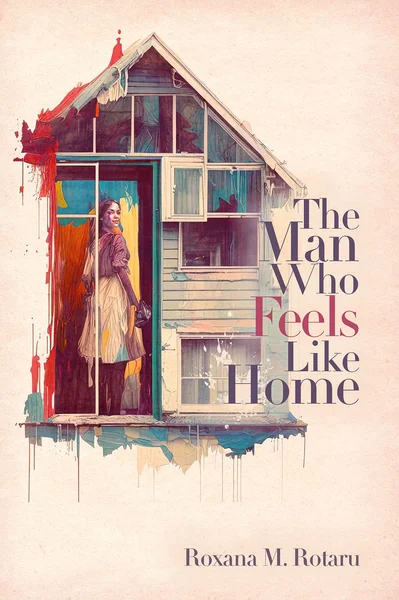
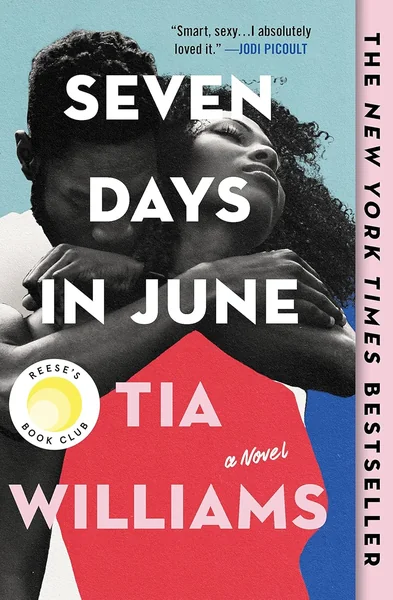
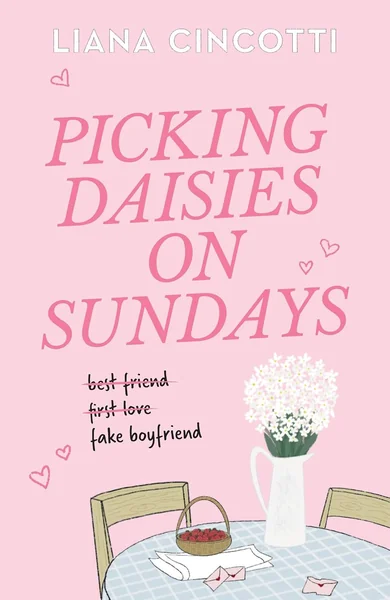
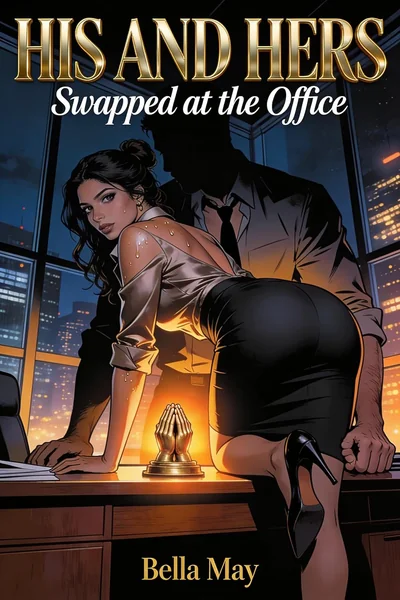
- Readers drawn to Counting Miracles for its emotionally grounded romance and small-town warmth will find strong company in several titles curated below. The Man Who Feels Like Home by Roxana Rotaru and Seven Days in June by Tia Williams both deliver emotionally charged love stories with layered characters and a sense of romantic fatedness. Picking Daisies on Sundays by Liana Cincotti and His and Hers: Swapped at the Office by Bella May offer lighter but equally heartfelt romantic reads for when the mood calls for something a little less weighty. Sparks's own back catalog — particularly The Notebook and A Walk to Remember — remains the most direct comparison for readers wanting more of the same blend of faith, love, and loss.
- Who should read this?
- Counting Miracles is squarely written for Nicholas Sparks's dedicated readership — readers who prize romantic tension, spiritually inflected storytelling, and emotionally cathartic endings delivered in a vividly rendered Southern small-town setting. Reviewers confirmed that his fans 'will find just what they're looking for.' Readers who approach the book as general literary fiction expecting formal innovation or unpredictable resolutions are likely to find the genre conventions — tidy endings, idealized settings, and the near-allegorical white deer — more comfortable than challenging.
- Is this a good book club pick?
- Counting Miracles offers book clubs a sturdy central question — can people truly change, or only make peace with the paths they've already taken? — and a dual-plot structure that gives discussion two distinct character arcs to explore: Tanner Hughes's romantic and personal reckoning and the elderly man's solitary woodland vigil. The white deer's near-allegorical role and the novel's overt faith themes add symbolic and thematic layers that generate genuine conversation. Groups with a mix of Sparks devotees and literary-fiction readers may find the contrast in expectations particularly generative.
- How does this compare to other Sparks novels?
- Counting Miracles operates squarely within Sparks's established template — a Southern small-town setting, emotionally rich character backstories, romantic tension, and a spiritually resonant conclusion — but its dual-plot structure gives it slightly more thematic range than a straightforward romance. The parallel thread featuring an elderly man alone in the woods adds a quieter meditation on faith and mortality that runs alongside rather than inside the central love story. Booklist and Barnes & Noble both positioned it among Sparks's more affecting recent work, and Sparks himself has described it as one of his favorites to write.
- Is this appropriate for teens?
- Counting Miracles is written as an adult novel with no notable heavy-content advisories flagged by reviewers — no graphic violence, explicit sexual content, or other material typically flagged for younger readers has been highlighted in published reviews. The themes of faith, family mythology, romantic love, and mortality are substantive but not inappropriate for mature teen readers. LuvemBooks positions the book as adult-oriented given its audience and genre, making it most suitable for readers 16 and up.
Summarize this book
Follow up
Synthesized from verified book data & published reviews · How we review
What would you like to know about Counting Miracles?
Answers come from our editorial notes on this book. If we haven't covered something, we'll say so.
Readers often ask
Our Review
This review covers the book's content, premise and published critical reception, not a first-hand reading.
What the Novel Is About
Sparks's Design Intent and Craft
Reception and Significance
Genuine Strengths
Who This Novel Is For — and Where It Tests Patience
Sources & Further Reading
The key facts and claims in this review are grounded in the retrieved, verified sources listed below.
- Cited in this review
- 1
nicholassparks.com
- 2
penguinrandomhouse.com
- Further reading
- 3
- 4
- 5
booksthatslay.com
- 6
lifemosaic.online
- 7
- 8
netgalley.com
- 9
wakefieldbooks.com
- 10
snailonthewall.com
- 11
cincybookshelf.com
- 12
venicereview.org
- 13
newbookrecommendation.com
- 14
barnesandnoble.com
Age & Reading Level
Recommended age
Adult
Heat level
Mild · mild spice — on-page but tamer intimate scenes
Tropes
From how readers and romance sites describe it, not our own reading.
who it suits
Skip if you're looking for literary fiction that challenges genre conventions or offers unexpected, unsettling resolutions.
Reader reviews
Be one of the first readers to answer.
Read it? Was it right for you?
Books like Counting Miracles
Curated picks for readers who enjoyed Counting Miracles, with our reasoning for each match.

If you liked Counting Miracles