
8 min read
4.7
· 148,623 Amazon ratingsShare This Review
To Kill a Mockingbird by Harper Lee Review: A Pulitzer-Winning American Classic on Justice
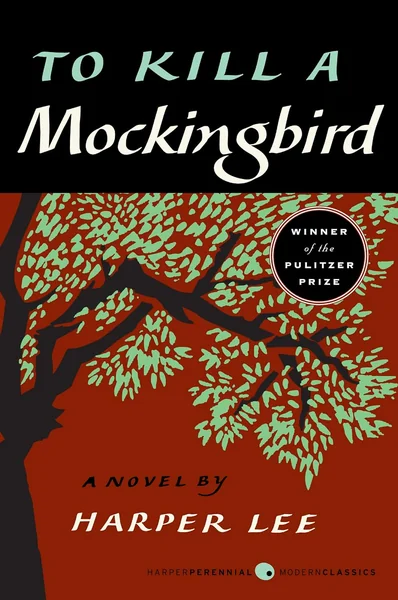
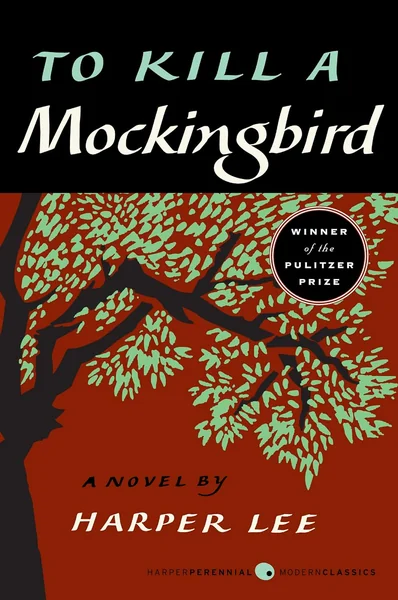
First published in 1960, Harper Lee's To Kill a Mockingbird is a Pulitzer Prize-winning novel set in the fictional town of Maycomb, Alabama, during the Great Depression. Narrated through the eyes of young Scout Finch, it follows her father, small-town lawyer Atticus Finch, as he defends a Black man against a false accusation in the deeply segregated American South. Translated into some 40 languages and with over 40 million copies sold worldwide, the novel has become one of the most enduring works in the American literary canon. This review covers the novel's content, cultural significance, and published reception — not hands-on use or reading.
LuvemBooks Verdict
Best for
Readers aged 14 and up — particularly those drawn to Southern Gothic fiction, courtroom drama, or coming-of-age stories — who want a morally serious novel that uses a child's perspective to illuminate racism and injustice in Depression-era America.
Worth it if
You value fiction that combines emotional immediacy with genuine moral weight, and are open to engaging critically with a canonical text whose racial framing and heroic characterisation have attracted serious scholarly debate.
Skip if
You are frustrated by narratives that centre white moral growth over the lived experience of Black characters, or are looking for a straightforward, uncomplicated hero in Atticus Finch — especially if you arrive already aware of the markedly different portrait in Go Set a Watchman.
What readers & critics say
Britannica records that the novel was widely praised for its sensitive treatment of a child's awakening to racism and prejudice in the American South, and notes its extraordinary reach: translated into some 40 languages, over 40 million copies sold, and a 1961 Pulitzer Prize winner. BookBrowse calls it "the superior work" compared to Go Set a Watchman — "more solid, more coherent, more precise" — concluding it remains "a story that can still teach us to read, and see, with fresh eyes."
“A timeless story where every word makes you feel something — beautifully crafted and a classic for a reason.”
— The Guardian“A beautifully written book with important lessons to teach, but readers should also be encouraged to read great writing by Black Americans.”
— Common Sense MediaAsk LuvemBooks
Was this helpful?
- Is it worth reading?
- For readers drawn to Southern Gothic literature, courtroom drama, or fiction that interrogates moral courage and prejudice through an intimate family lens, To Kill a Mockingbird remains a compelling and emotionally immediate read. Its biographical grounding — Lee's Alabama upbringing, her father's legal career, and her friendship with Truman Capote — gives the fiction an authenticity that purely invented stories rarely achieve. The key caveat is that the novel's racial drama is filtered through a white family's perspective, which critics argue keeps Tom Robinson at the margins of his own story — a limitation worth weighing, especially for readers coming to it fresh today, when that critical context is firmly in the background.
- Similar books
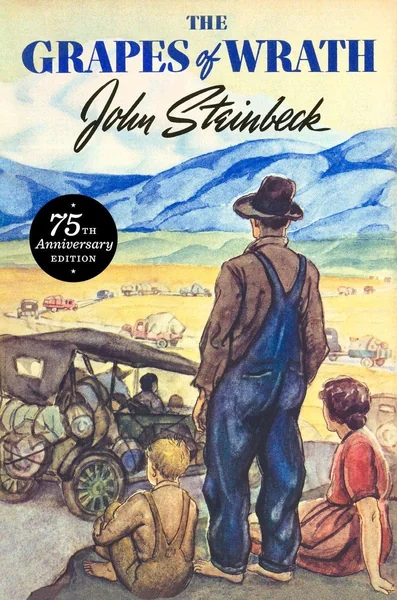
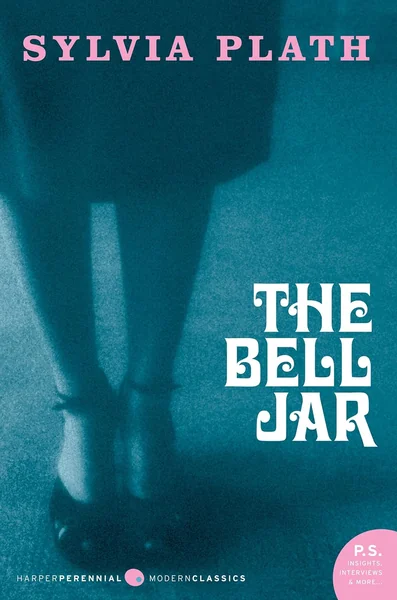
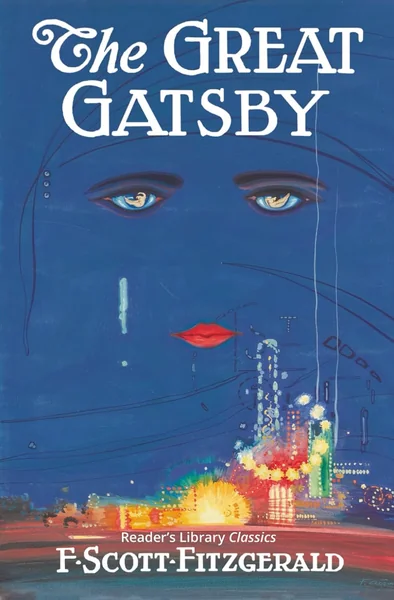
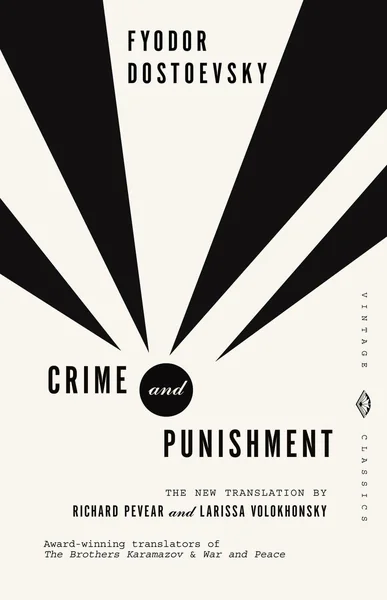
- Readers who connect with To Kill a Mockingbird's Depression-era moral urgency and social conscience may find John Steinbeck's The Grapes of Wrath a natural companion — another canonical American novel grappling with poverty, injustice, and human dignity in the same turbulent period. For fiction that uses a distinctive individual consciousness to expose social hypocrisy, Jane Austen's Pride and Prejudice and Fyodor Dostoevsky's Crime and Punishment both reward readers drawn to moral complexity rendered through intimate character study. Sylvia Plath's The Bell Jar shares the coming-of-age lens and the sense of a society failing its most vulnerable members, while Victor Hugo's The Hunchback of Notre Dame similarly uses an unjust legal and social order as the backdrop for an examination of prejudice and human compassion.
- Who should read this?
- Readers drawn to Southern Gothic literature, courtroom drama, or coming-of-age fiction that uses childhood as a moral lens will find To Kill a Mockingbird speaks directly to those interests. It is also a strong choice for anyone interested in the literature of racial injustice in America, Depression-era history, or the intersection of biography and fiction — Lee's Southern upbringing and her father Amasa Coleman Lee's legal career are deeply woven into the novel's fabric. It is frequently assigned in secondary school curricula and carries a recommended reading age of 14 and up, though its readership spans far beyond any single age group.
- What age is it for?
- Best for ages 14 and up, per the novel's published customer guidance — a recommendation consistent with its frequent assignment in secondary school curricula. The subject matter, including a false accusation of a serious crime, a racially unjust trial, and racial slurs used in their historical context, suits readers with the comprehension and emotional maturity to engage with the novel's moral complexity. That said, the book's readership spans far beyond any single age group, and many adult readers encounter it for the first time.
- Tell me about the adaptation
- The 1962 film adaptation, directed by Robert Mulligan with a screenplay by Horton Foote, won the Academy Award and is considered one of the most acclaimed literary adaptations in Hollywood history. Gregory Peck's portrayal of Atticus Finch became iconic, reinforcing the novel's already-powerful image of moral heroism in the American legal tradition. Separately, since 1990 a stage play based on the novel has been performed annually in Harper Lee's hometown of Monroeville, Alabama — a testament to the story's durability across medium and generation. A Broadway adaptation by Aaron Sorkin also brought the story to a new theatrical audience in more recent years.
- What are the key themes?
- At its core, To Kill a Mockingbird examines racial injustice and moral courage in the segregated American South — the trial of Tom Robinson is a fictional distillation of the systemic prejudice that determined the outcomes of real cases. The novel also traces childhood as a moral education: Scout's progression from ages six to nine is a coming-of-age story in which innocence confronts institutional evil. Empathy — most memorably embodied in Atticus Finch's instruction to "climb into someone's skin and walk around in it" — runs throughout, as does an unflinching look at the cost of standing on principle within a community that will not welcome it.
Summarize this book
Follow up
Synthesized from verified book data & published reviews · How we review
Press Enter to ask. Answers come from our editorial Q&A — start typing to see related questions.
Age & Reading Level
Recommended age
Ages 12–18
Reading level
Young adult
Content to know about
Best for: Ages 14+ — the trial of Tom Robinson, its subject matter, and the novel's historical racial language suit readers with the comprehension and emotional maturity to engage with its moral complexity.
Skip if you find it frustrating when stories centred on racism focus on white characters' moral growth rather than Black characters' full interiority.
Our Review
What the Novel Is and What It Does
Cultural Significance and Place in the Canon
Strengths: Voice, Moral Architecture, and Autobiographical Depth
Limitations and Honest Considerations
Who This Novel Is For and How It Endures
Sources & Further Reading
The key facts and claims in this review are grounded in the retrieved, verified sources listed below.
- Cited in this review
- 1
- 2
theinvisiblementor.com
- 3
- Further reading
- 4
en.wikipedia.org
- 5
- 6
- 7
- 8
makeheadway.com
- 9
scatteredbooks.com
- 10
- 11
- 12
lukeharkness.com
- 13
thetorogichronicles.com
- 14
- 15
bookbrowse.com
- 16
commonsensemedia.org
Books like To Kill a Mockingbird
Curated picks for readers who enjoyed To Kill a Mockingbird, with our reasoning for each match.
If you liked To Kill a Mockingbird
Why It’s Trending
To Kill a Mockingbird Is Having a Cultural Moment Again — Here's Why Readers Are Returning to It
Harper Lee's classic is back in conversation, with recent roundups ranking it among the greatest American books of the last century and fresh reviews exploring why it still resonates. Readers and writers alike are revisiting its themes of justice and courage at a time when those ideas feel very much alive.