8 min read
4.8
· 4,787 Amazon ratingsShare This Review

Our review
An Echo in the Darkness
An Echo in the Darkness by Francine Rivers Review: Gripping RITA-Winning Historical Christian Fiction
An Echo in the Darkness is the second novel in Francine Rivers's Mark of the Lion trilogy, picking up where A Voice in the Wind left off as the Christian slave girl Hadassah — left for dead in the Roman arena — is rescued and begins a hidden new life in first-century Rome. It earned a RITA Award for Best Inspirational Romance from the Romance Writers of America in 1995, and Booklist gave it a starred review.
LuvemBooks Verdict
Best for
Readers already invested in Francine Rivers's Mark of the Lion trilogy who want Christian historical fiction that explores faith, forgiveness, and early Roman persecution with genuine moral complexity rather than easy resolution.
Worth it if
Worth reading if you have completed A Voice in the Wind and are ready for a spiritually demanding continuation that refuses to smooth over the difficulty of conversion, forgiveness, and consequence.
Skip if
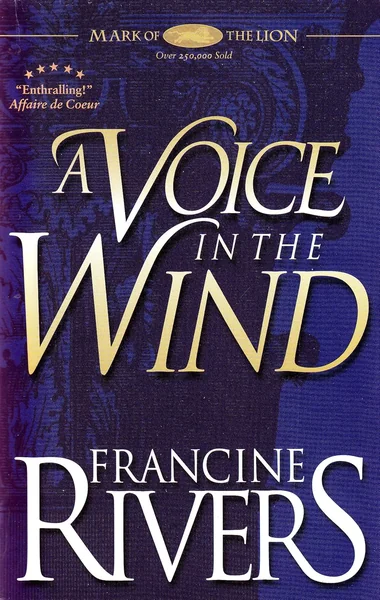
Skip it if you haven't read the first book — An Echo in the Darkness opens mid-scene in the arena where book one ends, and without that foundation the character relationships and emotional stakes are inaccessible.
What readers & critics say
Booklist awarded the novel a starred review, calling it "compelling" and "emotionally charged," as cited across multiple book retailers and the author's own site (francinerivers.com); the same Booklist notice, quoted on francinerivers.com, observed that the two volumes function best "read as one long novel," a mild structural caveat alongside the praise. The Historical Novel Society praised Rivers's handling of period religious life, writing that reading her books one might wonder if she has a time machine, given how authentically she renders a world "woven through with religious belief" (historicalnovelsociety.org).
Sources: Francine Rivers Official Site (quoting Booklist), Historical Novel Society, booklearned.wordpress.com, readingrhapsody.com, kristidrillien.comAsk LuvemBooks
Was this helpful?
- Is it worth reading?
- For readers already invested in the Mark of the Lion trilogy, An Echo in the Darkness delivers exactly the escalating stakes and spiritual depth that A Voice in the Wind established. Its RITA Award for Best Inspirational Romance (1995) and Booklist's starred review — which called it 'compelling' and 'emotionally charged' — reflect critical recognition of Rivers's ability to ground faith themes in morally demanding human situations. The key caveat is structural: critics noted the two novels function best 'read as one long novel,' meaning this installment can feel incomplete on its own. Readers new to the series should start with A Voice in the Wind before attempting this volume.
- Similar books
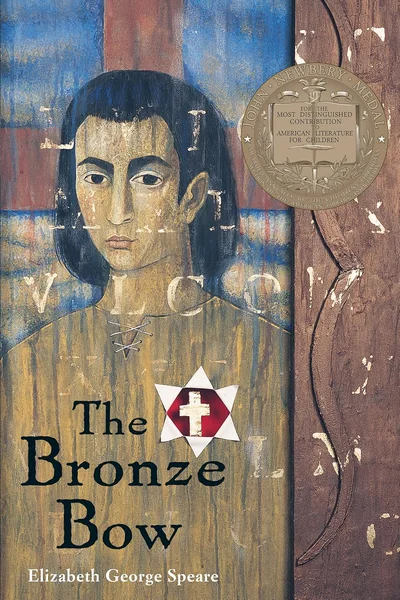
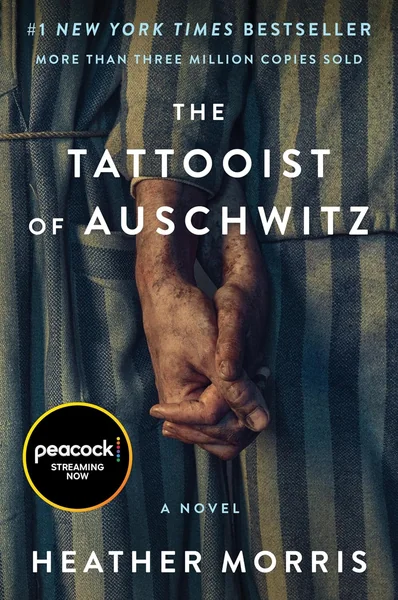
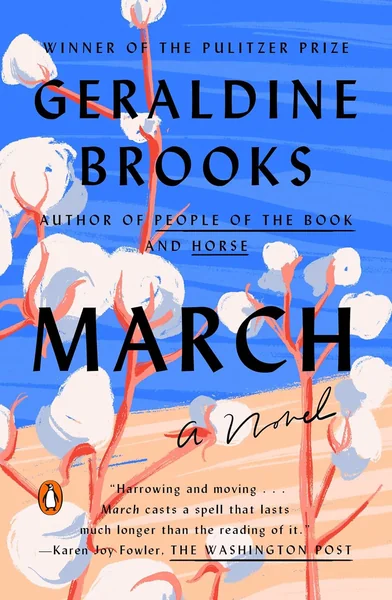
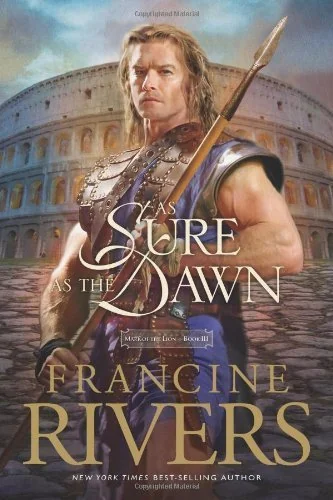
- Readers drawn to An Echo in the Darkness will naturally want to complete the Mark of the Lion trilogy — A Voice in the Wind (the essential first volume) and As Sure as the Dawn (the concluding third) are both reviewed on LuvemBooks and follow the same characters through the world of first-century Rome and Roman-occupied Palestine. For faith-driven historical fiction in a different era, The Bronze Bow by Elizabeth George Speare is a classic set in Roman-occupied Israel that explores the collision of faith and resistance. March by Geraldine Brooks offers similarly morally serious historical fiction with a focus on the human cost of belief and war. The Tattooist of Auschwitz by Heather Morris shares the theme of survival, hidden identity, and love tested by extreme circumstances, while The Color Purple by Alice Walker resonates with An Echo in the Darkness's portrayal of a woman who endures devastating harm and must reckon with forgiveness.
- Who should read this?
- An Echo in the Darkness is aimed squarely at readers of Christian historical fiction who have already completed A Voice in the Wind. Fans of faith-driven narratives set in the ancient world — stories concerned with the cost of belief, the difficulty of forgiveness, and the collision of Roman and early Christian values — will find this middle volume a satisfying and emotionally demanding continuation. It is not suited to readers seeking a self-contained story or those who prefer inspirational fiction that resolves its moral questions cleanly. As one source noted, Rivers is 'generally thought of as being one of the best writers in the Christian fiction world,' making this a strong recommendation within that readership.
- About Francine Rivers
- Francine Sandra Rivers is an American author of fiction with Christian themes, including inspirational romance novels.
- What are the main themes?
- The novel's central themes are forgiveness, the cost of faith, and the gap between belief and behavior. Hadassah's choice to care for Julia — the person directly responsible for her near-death — is portrayed not as an easy virtue but as a sustained, conflicted process in which compassion and self-preservation are in constant tension. Marcus's arc explores a complementary tension: he accepts Christianity during his time in Israel, yet returns to Rome unable to forgive his sister, making his conversion a beginning rather than a resolution. The historical setting — the era of Christian persecution in first-century Rome and Roman-occupied Palestine — grounds these themes in the concrete social realities of martyrdom, class, and imperial power.
- Where does this fit in the series?
- An Echo in the Darkness is the second of three novels in Francine Rivers's Mark of the Lion trilogy, positioned as the bridge volume between A Voice in the Wind (book one) and As Sure as the Dawn (book three). It begins precisely mid-scene where A Voice in the Wind ends, and critics have noted that the two books function best 'read as one long novel.' All three volumes are reviewed on LuvemBooks and are in the catalogue.
- How accurate is the historical setting?
- The novel is set in first-century Rome and Roman-occupied Palestine during the era of Christian persecution following the crucifixion of Christ, and Rivers uses this framework to ground her faith themes in concrete social realities — the Roman arena, the class structures of the empire, the daily life of Rome's poor quarter, and the landscape of Israel as Marcus travels there. LuvemBooks' review specifically commends the 'rich first-century Roman and Palestinian historical setting' for giving the story's spiritual concerns a tangible historical foundation. While the novel is Christian inspirational fiction rather than strictly academic historical fiction, the setting is treated as integral to the narrative rather than decorative.
Summarize this book
Follow up
Synthesized from verified book data & published reviews · How we review
What would you like to know about An Echo in the Darkness?
Answers come from our editorial notes on this book. If we haven't covered something, we'll say so.
Readers often ask
Our Review
This review covers the book's content, premise and published critical reception, not a first-hand reading.
What the Novel Contains and How It Is Structured
Significance Within the Series and the Genre
Narrative Strengths: Forgiveness, Conversion, and Moral Tension
Limitations and Readers Who May Struggle
Who This Book Is For
Sources & Further Reading
The key facts and claims in this review are grounded in the retrieved, verified sources listed below.
- Cited in this review
- 1
en.wikipedia.org
- 2
blog.kaiacalhounphotography.com
- 3
openlibrary.org
- Further reading
- 4
Francine Rivers, Wikipedia
- 5
francinerivers.com
- 6
thebookandbeautyblog.com
- 7
historicalnovelsociety.org
- 8
books.apple.com
- 9
pluggedin.com
- 10
kristidrillien.com
- 11
books.google.com
Age & Reading Level
Recommended age
Adult
3 content notes · who it suits
Content to know about
Best for: Adults — the novel's frank portrayal of Julia's moral collapse, fatal illness tied to promiscuity and abandonment, and prolonged physical suffering is most suited to mature adult readers.
Skip if you want a self-contained inspirational story with clean moral resolution and no need to read prior volumes.
Reader reviews
Be one of the first readers to answer.
Read it? Was it right for you?
Books like An Echo in the Darkness
Curated picks for readers who enjoyed An Echo in the Darkness, with our reasoning for each match.
Read Next

If you liked An Echo in the Darkness