8 min read
4.6
· 1,295 Amazon ratingsShare This Review

Our review
Odder
Odder: The Novel by Katherine Applegate Review: A Lyrical Verse Novel About Sea Otters
Odder: The Novel is a #1 New York Times bestselling verse novel by Newbery Medalist Katherine Applegate, illustrated by Charles Santoso, that follows a young sea otter's journey through danger, rehabilitation, and survival in Monterey Bay — a book praised for its naturalistic detail, its unvarnished emotional honesty, and its seamless weaving of marine science into lyrical free verse, though some reviewers note uneven pacing and a rushed ending.
LuvemBooks Verdict
Best for
Readers aged 8 and up — particularly those drawn to marine life, animal stories, or verse fiction — who want an ecologically grounded, emotionally honest coming-of-age story told from a wild animal's perspective.
Worth it if
The verse form, real-world ecological grounding, and a protagonist whose survival is genuinely uncertain appeal to you — especially if you or a young reader has any interest in sea otters, marine biology, or the work of Katherine Applegate's previous animal-centred novels.
Skip if
You prefer dense, psychologically layered prose narratives with fully developed resolutions, as the novel's deliberate spareness and a rushed ending may feel unsatisfying.
What readers & critics say
Kirkus Reviews notes that while rich naturalistic detail will delight lovers of marine life, "uneven pacing and a rushed ending may leave some unsatisfied." The New York Times critic Gregory Maguire writes that "we come to love Odder in Applegate's terse and unvarnished presentation," and Booklist awarded the book a starred review, calling it "a stunning study of a remarkable and resilient sea creature."
“Uneven pacing and a rushed ending may leave some unsatisfied — but rich, naturalistic details will delight lovers of marine life.”
— Kirkus Reviews“We come to love Odder in Applegate's terse and unvarnished presentation.”
— nytimes.com (Gregory Maguire)Ask LuvemBooks
Was this helpful?
- Is it worth reading?
- For its target audience of readers ages 8 and up — especially those drawn to animal stories, marine life, or verse fiction — Odder: The Novel is a well-crafted and widely celebrated work. It is a #1 New York Times bestseller with over 100 weeks on the list, has won multiple state and library awards, and has been recognized by the National Council of Teachers of English as a Notable Verse Novel. Critic Gregory Maguire wrote that 'we come to love Odder in Applegate's terse and unvarnished presentation,' describes the text as 'absorbing.' The primary caveat is structural: reviewers flag uneven pacing and a rushed ending that may leave some readers unsatisfied, particularly those expecting a fully developed resolution.
- Similar books
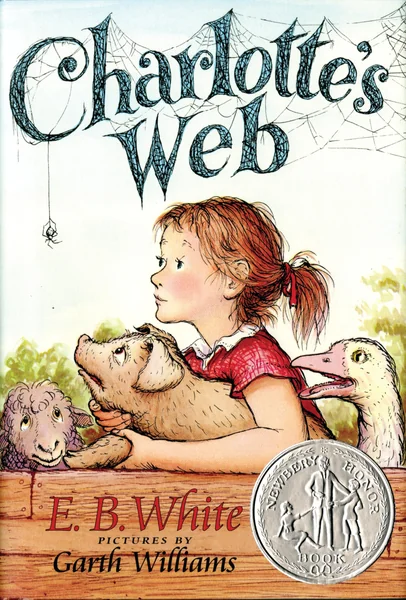
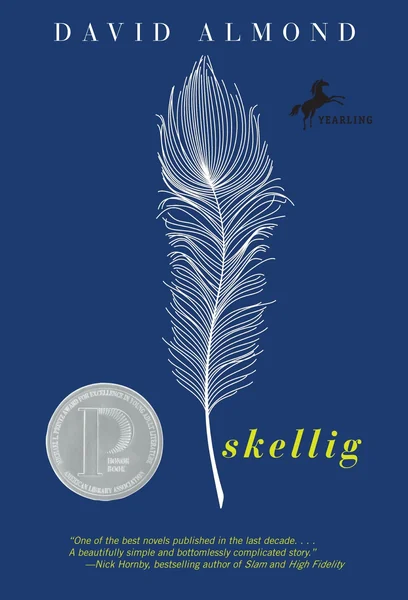
- Readers who connect with Odder: The Novel's blend of animal perspective, emotional honesty, and ecological grounding will find strong companions on the shelf below. Charlotte's Web by E. B. White shares the tradition of unsentimental animal storytelling that doesn't soften real-world loss for young readers. Skellig by David Almond offers the same quietly ruminative tone and lyrical restraint for readers drawn to Applegate's spare prose style. Bridge to Terabithia by Katherine Paterson similarly earns its emotional weight through restraint rather than melodrama. Wonder by R. J. Palacio, like Odder, is a widely beloved middle-grade novel praised for its empathy and accessibility across a broad readership. Katherine Applegate's own The One and Only Ivan is the most direct thematic companion — another animal narrator rendered with the same terse, unvarnished empathy.
- Who should read this?
- Odder: The Novel is best suited for readers ages 8 and up who are drawn to animal stories, marine biology, or verse fiction. The review notes that 'the natural appeal of sea otters will draw readers in,' and the novel's ecological detail — covering otter behaviors, rehabilitation, and real-world threats like predators, disease, and pollution — makes it especially rewarding for young readers with a curiosity about the natural world. It is also a strong fit for classrooms and libraries, having earned recognition from the National Council of Teachers of English and multiple state library associations. Readers who prefer dense, psychologically layered prose narratives may find the spare verse form less immersive than expected.
- What age is it for?
- Odder: The Novel is best for ages 8 and up — the free verse format is accessible to confident younger readers, while the novel's ecological complexity and emotional nuance reward older middle-grade readers as well. The story doesn't shy away from real-world threats including predators, disease, and pollution, which makes it most suitable for readers ready to engage with nature's realities rather than a softened version of the animal world.
- Does it deal with dark or difficult content?
- Odder: The Novel does not flinch from the realities of the natural world. Reviewers specifically note that the book 'doesn't shy away from real-world threats such as predators, disease, and pollution' — a meaningful commitment in a category where softening reality for young readers is common. The novel opens with a shark attack that injures Odder, and the rehabilitation storyline confronts the vulnerability of wild animals in proximity to humans. These elements are handled with Applegate's characteristic restraint rather than graphic detail, but parents and educators should know the story engages honestly with danger, injury, and ecological threat.
- What role do the illustrations play?
- Charles Santoso's black-and-white illustrations are a meaningful component of the reading experience, not supplementary decoration. Reviewers describe them as 'realistic, curvilinear black-and-white illustrations' that are 'sensitively detailed,' and one review notes that Santoso's illustrations are praised for being 'sensitively and realistically detailed.' In a verse novel where individual pages can be brief, the illustrations help anchor the ecological specificity and emotional tone that the compressed text establishes.
Summarize this book
Follow up
Synthesized from verified book data & published reviews · How we review
What would you like to know about Odder?
Answers come from our editorial notes on this book. If we haven't covered something, we'll say so.
Readers often ask
Our Review
What the Book Is and What It Tells
The Form: Free Verse as a Vehicle for Science and Story
Reception and Significance
Genuine Strengths: Detail, Emotional Honesty, and Ecological Awareness
Limitations and Who May Find It Uneven
Sources & Further Reading
The key facts and claims in this review are grounded in the retrieved, verified sources listed below.
- Cited in this review
- 1
kirkusreviews.com
- 2
us.macmillan.com
- 3
books.apple.com
- 4
flyleafbooks.com
- Further reading
- 5
- 6
thestorysanctuary.com
- 7
- 8
wildrumpusbooks.com
- 9
pluggedin.com
- 10
barnesandnoble.com
Age & Reading Level
Recommended age
Ages 8–12
Reading level
Middle grade
3 content notes · who it suits
Content to know about
Best for: Ages 8+ — free verse format and ecological complexity suit confident middle-grade readers; the story engages honestly with predation, injury, disease, and pollution rather than softening the natural world for young audiences.
Skip if you want the narrative depth and psychological layering of traditional prose fiction rather than spare, compressed verse.
Reader reviews
Be one of the first readers to answer.
Read it? Was it right for you?
Books like Odder
Curated picks for readers who enjoyed Odder, with our reasoning for each match.
If you liked Odder