9 min read
4.2
· 14,618 Amazon ratingsShare This Review

Our review
In the Great Quiet
In the Great Quiet by Laura Vogt Review: A Lyrical, Haunting Frontier Novel
In the Great Quiet is a historical fiction novel by Laura Vogt, published by Lake Union Publishing on April 1, 2026, in which Minnie Hoopes — a woman modeled on Vogt's real ancestor — stakes a homestead claim in Oklahoma during the 1893 Land Run and must survive isolation, hardship, and the weight of a hidden act of violence. The novel weaves magical realism through its frontier setting, with the prairie land itself speaking to Minnie through the voices of women across time. Early readers have praised Vogt's lyrical, sensory prose and the book's psychological depth.
LuvemBooks Verdict
Best for
Readers of literary historical fiction who want a slow, immersive, place-driven story about a woman's inner transformation — specifically those drawn to atmospheric prose, psychological interiority, and the complex social landscape of the American frontier.
Worth it if
Worth it if you're drawn to season-paced, character-study fiction where lyrical, sensory prose and a magical realist undercurrent matter more to you than conventional plot momentum.
Skip if
Skip it if you prefer propulsive, action-forward historical fiction or Western narratives where dramatic plot events — rather than cumulative inner transformation — drive the reading experience.
What readers & critics say
Early advance readers consistently praised the quality of Vogt's prose — ispeakbooknerd.com described it as "lyrical and atmospheric, with nature-forward language" built from "concrete sensory details and layered imagery," while suanneschaferauthor.com highlighted the "gorgeous" writing and Vogt's particularly skilled use of color to evoke the flora and fauna of the Great Plains. The ursummary.com review notes that the novel's central conceit — the prairie's "great quiet" revealed as full of women's voices across time — is integral to both its emotional and thematic design.
Sources: ispeakbooknerd.com, suanneschaferauthor.com, ursummary.comAsk LuvemBooks
Was this helpful?
- Is it worth reading?
- For readers who value atmospheric, place-driven literary fiction with strong psychological depth, In the Great Quiet delivers on its ambitions: early advance readers — including international readers with no prior investment in American frontier mythology — responded with notable enthusiasm to Vogt's sensory, lyrical prose and the novel's layered, nature-forward imagery. Its grounding in real ancestry and primary-source research gives the 1893 Oklahoma Land Run setting unusual authenticity, and the seasonal structure ties the narrative rhythm directly to the land's own cycles. The key caveat is pace: the novel's emotional payoffs are cumulative and its register is deliberately quiet, so readers who prefer propulsive plotting or dramatic scene-level tension will likely find it a difficult fit.
- Similar books
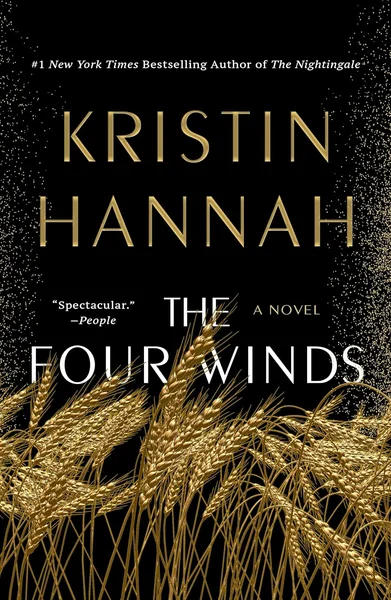
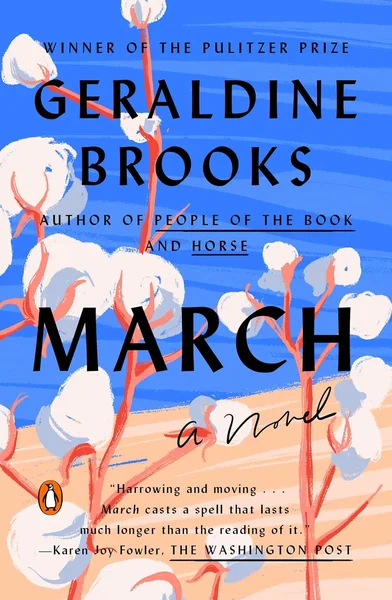
- Readers drawn to In the Great Quiet's blend of atmospheric prose, American historical settings, and stories of women's resilience will find strong companions among the curated titles below. Kristin Hannah's The Four Winds offers a similarly immersive, hardship-driven portrait of a woman surviving on the American land during a period of national crisis. Geraldine Brooks's March brings the same rigor of primary-source historical grounding and psychological interiority to the Civil War era. For the thread of race and social complexity woven through frontier and historical settings, Alice Walker's The Color Purple resonates with the novel's concern for marginalized voices and women's inner lives. Marie Benedict's Carnegie's Maid and Lisa Wingate's Before We Were Yours round out the list for readers who enjoy character-centered historical fiction about women navigating constrained social worlds with quiet tenacity.
- Who should read this?
- In the Great Quiet is written for readers of literary historical fiction who prize atmospheric prose, psychological interiority, and stories about women's autonomy and resilience on the American frontier. Its slow, season-paced rhythm and cumulative emotional register make it an especially strong match for readers who enjoy immersive, place-driven storytelling where inner transformation is the primary action. Notably, early advance readers from outside the United States responded with enthusiasm, suggesting the novel's emotional and atmospheric appeal extends well beyond readers already invested in American frontier mythology. Book clubs with an appetite for discussing social complexity — race, land rights, women's independence in the 1893 Oklahoma context — will find it particularly rewarding.
- What are the main themes?
- At its center, In the Great Quiet is about a woman learning to belong to herself — with the 1893 Oklahoma Land Run serving as the backdrop for Minnie Hoopes's transformation from someone marked by a hidden act of violence to someone capable of inner stillness and self-possession. Women's autonomy and resilience run throughout, with the homesteading premise carrying pointed social stakes: a woman alone, holding land legally, at a time when cultural and legal structures actively worked against that. The novel also engages the fuller social complexity of the frontier period, positioning the Black homesteader and Osage woman in Minnie's orbit to foreground questions of race, dispossession, and whose stories the frontier mythology typically erases. The magical realist thread — women's voices across time rising from the Oklahoma soil — frames all of this within a continuum of collective endurance.
- Is this a good book club pick?
- In the Great Quiet is well-positioned as a book club selection for groups that enjoy literary historical fiction with substantial thematic depth. Its seasonal structure (Autumn, Winter, Midwinter, Spring) provides natural discussion breakpoints, and its treatment of the 1893 Oklahoma Land Run — including the experiences of a Black homesteader and an Osage woman — raises rich questions about race, land, women's legal autonomy, and whose stories frontier mythology has historically centered. The magical realist thread of women's voices across time also opens discussion about collective memory and women's endurance across history. Lake Union Publishing's April 2026 release positions it as a spring title, timing that aligns well with book club programming.
- What makes the writing distinctive?
- Vogt's prose is consistently described by early advance readers as sensory, lyrical, and nature-forward — the reviewer at ispeakbooknerd.com noted being 'struck almost immediately by Vogt's strong visual prose, which she establishes through concrete sensory details and layered imagery,' calling it 'atmospheric, with nature-forward language' that places the reader not just in a landscape but in its layers. Vogt herself has described the novel as a 'love letter to the Oklahoma prairie of 1893, its silence, its vastness, its dangers, and its unexpected tenderness.' Unusually for historical fiction, the psychological interiority is grounded in the 'history of mentalities' — the academic study of how ordinary people in the past understood their own inner lives — giving Minnie's inner voice period-specific weight rather than a retrofitted modern sensibility.
Summarize this book
Follow up
Synthesized from verified book data & published reviews · How we review
What would you like to know about In the Great Quiet?
Answers come from our editorial notes on this book. If we haven't covered something, we'll say so.
Readers often ask
Our Review
What the Novel Is and What It Contains
Historical Grounding and Thematic Stakes
Prose Style and Atmosphere
Slow-Burn Character and Relationship
Who This Novel Is For
Sources & Further Reading
The key facts and claims in this review are grounded in the retrieved, verified sources listed below.
- Cited in this review
- 1
- 2
barnesandnoble.com
- Further reading
- 3
lauravogt.com
- 4
- 5
ispeakbooknerd.com
- 6
suanneschaferauthor.com
- 7
- 8
barnesandnoble.com
Age & Reading Level
Recommended age
Adult
Reading level
Adult
2 content notes · who it suits
Content to know about
Skip if you prefer action-driven or plot-forward historical fiction and find slow, introspective character studies unrewarding.
Reader reviews
Be one of the first readers to answer.
Read it? Was it right for you?
Books like In the Great Quiet
Curated picks for readers who enjoyed In the Great Quiet, with our reasoning for each match.
If you liked In the Great Quiet