Our reviews
1,017 books, each with who it's for, who should skip it, reading level and content notes, and every source we used.
409 reviews match
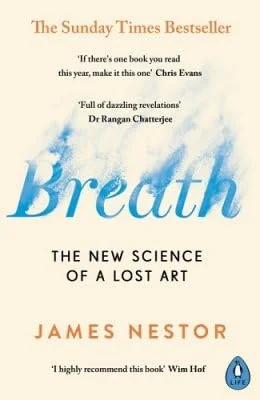
James Nestor
Best for: Curious general readers who want to understand how breathing affects their health and are open to a journey through ancient wisdom, modern pulmonology, and one journalist's self-experimentation — without needing clinical-grade evidence at every turn.
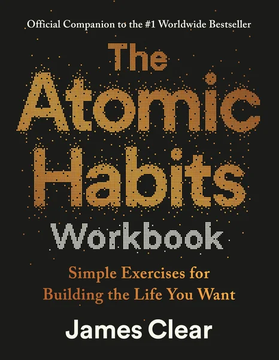
James Clear
Best for: Readers who have already absorbed Atomic Habits and want a structured, hands-on system — with templates, journaling prompts, and habit-tracking guides — to actively implement James Clear's Four Laws of Behavior Change in their daily life.
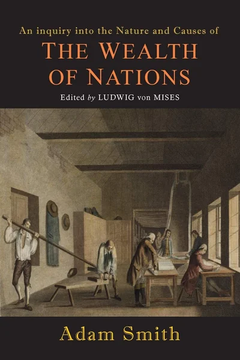
Adam Smith
Best for: Students of economics, political philosophy, or intellectual history who want to engage with the original primary text — unmediated, in full — rather than a summary or secondary account of Smith's ideas.
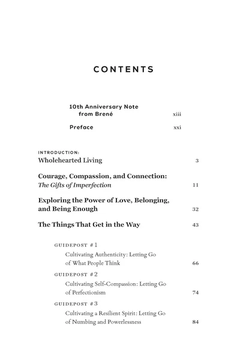
Brené Brown
Best for: Readers new to Brené Brown's work who want a compact, research-grounded introduction to wholehearted living — particularly those wrestling with perfectionism, shame, or the need for external approval — as well as book clubs seeking a structured framework for personal reflection.
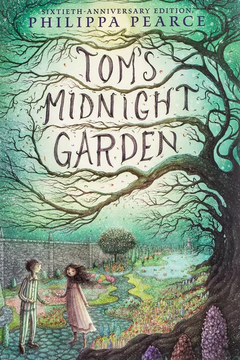
Philippa Pearce
Best for: Children aged eight to twelve — and the adults and educators who share books with them — who are drawn to emotionally precise, atmospherically rich fantasy and have the patience for a mystery that unfolds through accumulation rather than action.
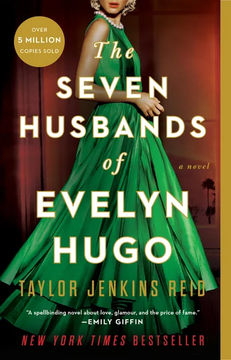
Taylor Jenkins Reid
Best for: Readers who love morally complex, plot-driven historical fiction with LGBTQ+ themes and a glamorous Old Hollywood setting — particularly those who enjoy compulsive, binge-worthy narratives built around a charismatic, deeply secretive protagonist.
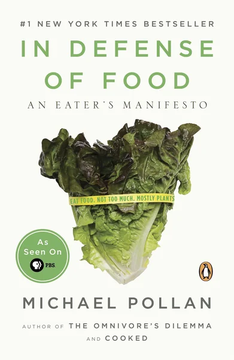
Michael Pollan
Best for: Readers who feel confused or overwhelmed by the ever-shifting landscape of dietary advice and want a clear, historically grounded framework for eating — without calorie-counting or nutritional jargon.
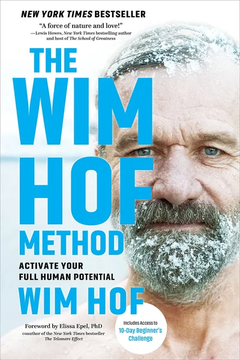
Wim Hof
Best for: Readers curious about breathwork, cold therapy, or mind-body resilience who want the definitive, first-person account of the Wim Hof Method — especially those drawn to a blend of personal memoir, practical step-by-step instruction, and accessible wellness science.
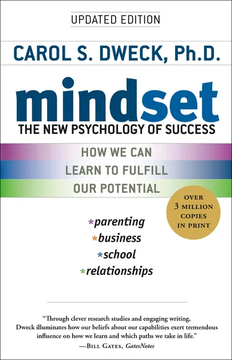
Carol S. Dweck
Best for: Curious general readers — whether in education, business, sport, or parenting — who want a research-grounded introduction to how beliefs about ability shape achievement across virtually every life domain.
Gretchen Rubin
Best for: Readers who want to maintain a long-term personal record but have repeatedly abandoned traditional journals — particularly those already engaged with Gretchen Rubin's work on habits and happiness.
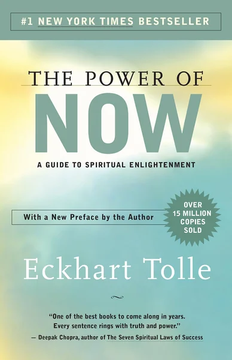
Eckhart Tolle
Best for: Readers already open to contemplative or spiritual frameworks — Buddhist, mystical, or broadly non-denominational — who want an accessible, widely discussed entry point into present-moment awareness and the idea that habitual suffering stems from over-identification with thought.
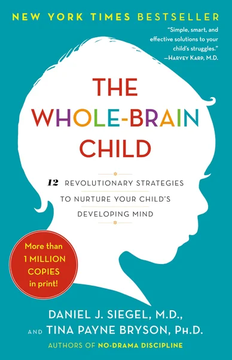
Daniel J. Siegel and Tina Payne Bryson
Best for: Parents and caregivers of young children who want a scientifically grounded, immediately actionable framework for understanding and responding to their children's emotional and behavioural struggles — without needing a clinical background.
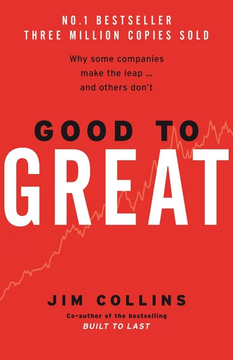
Jim Collins
Best for: Managers, MBA students, or leadership-development participants who want a research-anchored introduction to organizational strategy and want frameworks — Level 5 Leadership, the Hedgehog Concept, the Flywheel — they can test and debate against real organizational contexts.
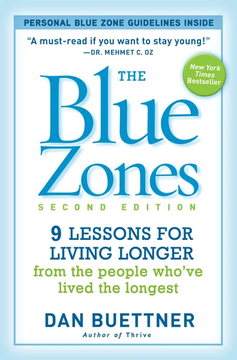
Dan Buettner
Best for: General readers curious about health, diet, aging, and community who want real-world, culturally grounded examples of longevity rather than abstract clinical advice — especially book clubs or wellness groups ready to turn the research into collective action.
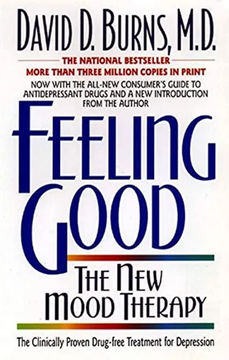
David D. Burns
Best for: Adults experiencing mild to moderate depression, anxiety, guilt, or procrastination who want a structured, evidence-based CBT framework they can work through independently — and therapists seeking a clinically credible bibliotherapy resource to recommend to clients.
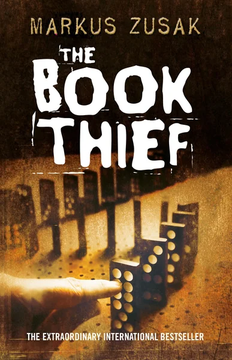
Markus Zusak
Best for: Readers — teen or adult — who want a WWII story told from an unusual, philosophically rich vantage point and are prepared for a deliberately paced, emotionally demanding novel that argues for the redemptive power of words as much as it documents the horrors of war.
Yuval Noah Harari
Best for: Intellectually curious general readers who want a single, coherent framework for understanding how Homo sapiens came to dominate the planet — from prehistoric origins through empire, capitalism, and the threshold of a post-human future — and who bring no prior background in history, biology, or economics.
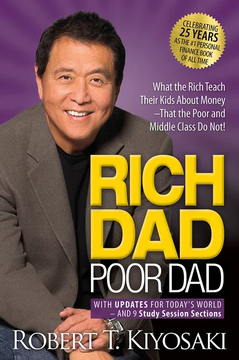
Robert T. Kiyosaki
Best for: First-time readers of personal finance who have never encountered concepts like assets vs. liabilities, passive income, or the distinction between earning a salary and building wealth — and who respond better to parable-driven narrative than to technical instruction.
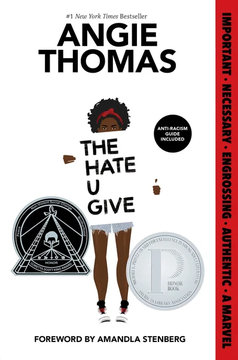
Angie Thomas
Best for: High school readers and adults drawn by the film or cultural conversation who want a character-driven story that tackles race, code switching, and systemic injustice through one teenager's specific grief and choices rather than through abstraction.
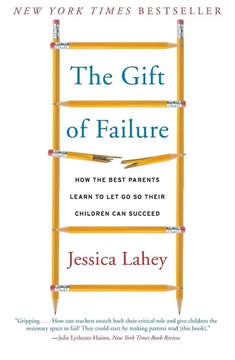
Jessica Lahey
Best for: Parents of school-age children — especially those entering or navigating middle school — who suspect they may be over-involved and want structured, research-backed guidance on how to step back and let their children build genuine resilience.
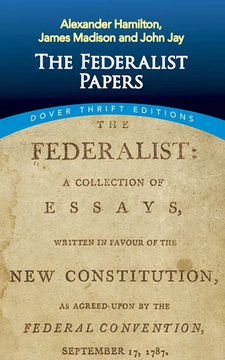
Alexander Hamilton and James Madison and John Jay
Best for: Students of constitutional law, political science, and American history who want to engage directly with the primary text — reading what Hamilton, Madison, and Jay actually argued, clause by clause, for why the Constitution was designed as it was.
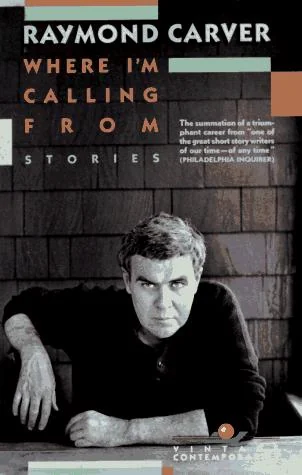
Raymond Carver
Best for: Readers drawn to literary short fiction who value emotional texture, precise prose, and the unspoken — particularly those exploring the American minimalist tradition or seeking a foundational Carver text for the first time.
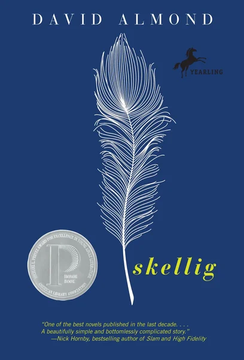
David Almond
Best for: Readers aged nine to twelve — and adults who read widely in children's literature — who are drawn to stories that sit at the boundary of the natural and supernatural, particularly those comfortable with open-ended narratives, thematic depth around childhood fear and sibling illness, and the Romantic poetry of William Blake.
Jared Diamond
Best for: General educated readers drawn to big-history thinking who want a single, environmentally grounded explanation for global inequality — and who are willing to pursue the scholarly counter-literature alongside it.
