

8 min read
4.6
· 76,616 Amazon ratingsFeatured In
Share This Review

Our review
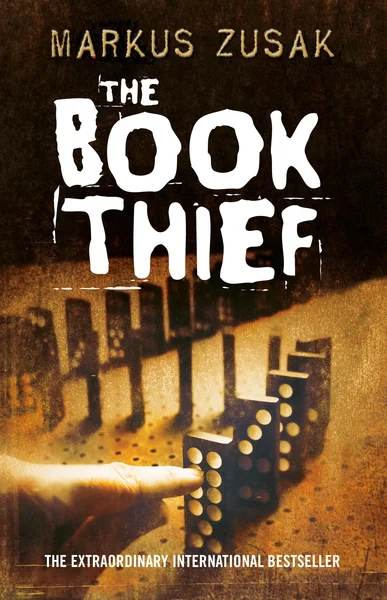
The Book Thief
The Book Thief by Markus Zusak Review: A Landmark of Historical Fiction
Markus Zusak's The Book Thief is a historical fiction novel set in Nazi Germany during World War II, narrated by Death and following young Liesel Meminger as she navigates loss, foster care, forbidden friendship, and the transformative power of words. Originally published in 2005, it has since sold 17 million copies, been translated into 63 languages, and been adapted into a 2013 feature film — a record that places it among the most widely read works of literary historical fiction of its era.
LuvemBooks Verdict
Best for
Readers — teen or adult — who want a WWII story told from an unusual, philosophically rich vantage point and are prepared for a deliberately paced, emotionally demanding novel that argues for the redemptive power of words as much as it documents the horrors of war.
Worth it if
You can give the early, disorienting chapters the patience they demand — because once Death's non-linear narration clicks, the novel's architecture of foreshadowed grief and intimate character work pays off in a way few historical novels manage.
Skip if
You prefer clean chronological storytelling and a measured emotional pace — the unflinching deaths of central characters, the weight of Nazi persecution, and the structural unconventionality make this a bruising, commitment-heavy read that will frustrate rather than reward anyone seeking a gentler or faster narrative.
What readers & critics say
Kirkus Reviews called the novel "beautiful and important," praising its expansive working-out of fate and the way Death's narration compels the reader's full attention. Heartspoken awarded it five stars, describing it as "strangely beautiful, wildly imaginative, and profoundly moving," while acknowledging that the author's odd formatting is initially off-putting before its effectiveness becomes clear.
“Beautiful and important. When Death tells a story, you pay attention.”
— Kirkus ReviewsAsk LuvemBooks
Was this helpful?
- Is it worth reading?
- For readers drawn to literary historical fiction, The Book Thief stands as one of the most structurally and emotionally ambitious WWII novels of the past two decades — a record of 17 million copies sold, 63 language translations, a 2013 film adaptation, and a 14th-place finish on the PBS Great American Read in 2018 reflects a depth of resonance well beyond commercial accident. The fully realized cast — Liesel, Hans, Rosa, Rudy, and Max Vandenburg — carries the novel's themes of love, sacrifice, and the power of words through specific, enacted plot beats rather than abstraction. The key caveat is that Death's non-linear narration and the novel's considerable length demand patience, and the emotional weight of its wartime deaths is unflinching. Readers willing to meet those demands will find it rewarding in ways that few novels in the genre match.
- Similar books
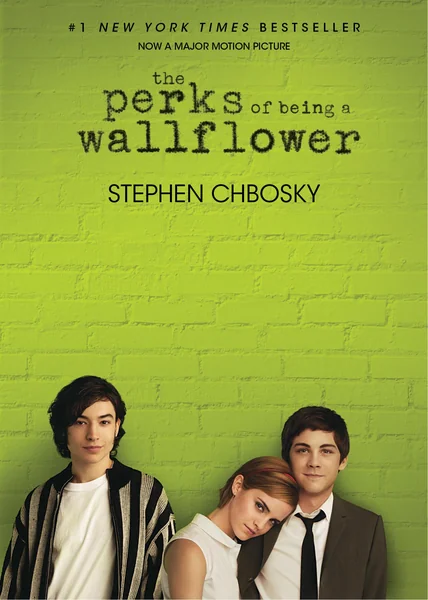
- Readers drawn to The Book Thief's blend of historical weight and emotionally resonant coming-of-age storytelling have several strong options. Anthony Doerr's All the Light We Cannot See shares the WWII setting and a similarly literary, structurally layered approach. Lois Lowry's Number the Stars offers a more accessible but equally moving portrait of a young girl navigating Nazi occupation in Denmark. Anne Frank's The Diary of a Young Girl provides the most direct historical counterpart — a firsthand account of a Jewish teenager in hiding during the same era. For readers who connected with The Book Thief's raw emotional honesty in a YA register, John Green's The Fault in Our Stars and Stephen Chbosky's The Perks of Being a Wallflower — both available in the LuvemBooks catalogue — deliver comparable emotional intensity and character depth in contemporary settings.
- Who should read this?
- The Book Thief is most suited to readers who appreciate literary historical fiction with structural ambition — those willing to engage with a non-linear narrative, an unusual narrator in Death, and a prose style that rewards patience over pace. Barnes & Noble's editorial coverage positions it for both teen and adult audiences, and its PBS Great American Read placement confirms its cross-generational hold. It is an especially strong choice for readers interested in WWII history through an intimate human lens, or for anyone drawn to novels that treat the power of language and storytelling as central themes rather than backdrop. Those who prefer swift, linear narratives or who find wartime tragedy emotionally prohibitive should approach with care.
- What age is it for?
- Best for ages 12 and up. The novel depicts the deaths of central characters including children, the systematic violence of Nazi persecution, the concealment of a Jewish man from Nazi authorities, and a bombing raid that kills most of the main cast — all handled with full emotional weight and without softening the historical reality. Parents and educators considering it for readers at the younger end of the 12-and-up range should be aware that this is a demanding, emotionally intense read rather than a gentle one, and the non-linear structure and layered prose additionally require a confident, patient reader.
- About Markus Zusak
- Born in Sydney to German immigrant parents, Markus Zusak has become one of Australia's most celebrated literary voices, captivating readers worldwide with his distinctive storytelling.
- Tell me about the adaptation
- A feature film adaptation of The Book Thief was released in 2013, further extending the novel's reach beyond its already substantial readership. The film brought the story of Liesel Meminger and the Hubermann household to a wider audience, capitalizing on the novel's two decades of cross-generational appeal. As the review notes, the structural innovations that define the reading experience — Death's interjecting narration, non-linear asides, and layered prose — are inherently tied to the novel's form, making the book a distinctly richer experience for those who engage with it on the page.
- What are the main themes?
- Wikipedia's summary of the novel identifies death, literature, and love as its central themes — and the review confirms these are not simply stated but enacted through the plot's architecture. Books are burned at Nazi bonfires and stolen back; stories are told in hiding between Liesel and Max Vandenburg; Death narrates as an entity wearied by human cruelty and moved by human tenderness. The novel also makes a sustained argument about the power of words as both weapon and shelter, rendered most concretely in Max's handmade books created from painted-over pages in the Hubermanns' basement. Sacrifice and moral courage — embodied especially in Hans Hubermann's quiet decency and his willingness to hide Max — run throughout.
Summarize this book
Follow up
Synthesized from verified book data & published reviews · How we review
What would you like to know about The Book Thief?
Answers come from our editorial notes on this book. If we haven't covered something, we'll say so.
Readers often ask
Our Review
This review covers the book's content, premise and published critical reception, not a first-hand reading.
What the Novel Actually Is
A Narrator Unlike Any Other
Scale, Reception, and Cultural Reach
Genuine Strengths: Character, Theme, and Emotional Stakes
Limitations and Honest Caveats
Sources & Further Reading
The key facts and claims in this review are grounded in the retrieved, verified sources listed below.
- Cited in this review
- 1
- 2
innisfilidealab.ca
- 3
reviewsfeed.net
- Further reading
- 4
Markus Zusak, LuvemBooks
- 5
en.wikipedia.org
- 6
heartspoken.com
- 7
- 8
- 9
readinghasruinedmylife.com
- 10
- 11
createdtoread.com
- 12
barnesandnoble.com
Age & Reading Level
Recommended age
Ages 12–18
Reading level
Young adult
4 content notes · who it suits
Content to know about
Best for: Ages 12 and up — the novel's non-linear structure, layered prose, and emotionally intense subject matter (wartime violence, deaths of central characters, Nazi persecution) suit confident, emotionally prepared readers rather than younger children.
Skip if you want a gentle or hopeful wartime story — this novel depicts Nazi persecution, the deaths of beloved characters, and wartime destruction without softening its historical reality.
Reader reviews
Be one of the first readers to answer.
Read it? Was it right for you?
Books like The Book Thief
Curated picks for readers who enjoyed The Book Thief, with our reasoning for each match.

If you liked The Book Thief


Reading Lists