Our reviews
1,017 books, each with who it's for, who should skip it, reading level and content notes, and every source we used.
399 reviews match
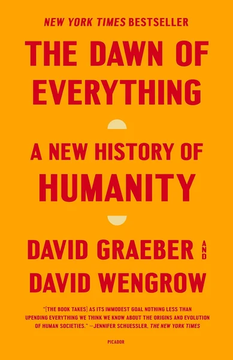
David Graeber
Best for: Intellectually engaged general readers, students, and scholars in history, anthropology, archaeology, or political theory who want a rigorous, evidence-based challenge to the deterministic storylines advanced by Harari, Pinker, Diamond, and their peers.
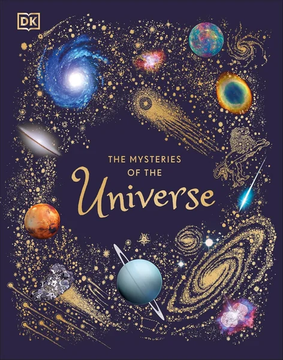
Will Gater
Best for: Children aged 6–8 with a budding interest in space who need a richly visual, accessible first reference that works equally well as a family read-aloud and as an independent browse.

Tess Han
Best for: Readers at an early or exploratory stage of self-compassion work who respond better to warm, emotionally direct encouragement than to clinical or research-heavy frameworks, and anyone seeking a low-barrier, giftable wellness journal.
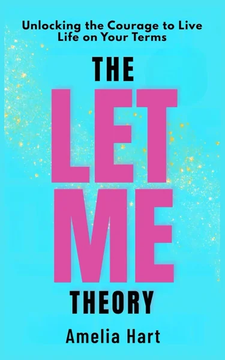
Amelia Hart
Best for: Readers who recognise a chronic pattern of deference, people-pleasing, or filtering choices through others' expectations, and want a structured, coaching-style framework — rather than a motivational pep talk — to move toward greater self-permission and boundary-setting.
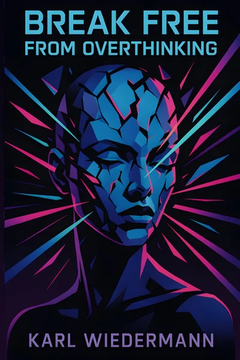
Karl Wiedermann
Best for: Adults at the beginning or middle of their self-help journey who recognise themselves in cycles of rumination, emotional over-reactivity, and difficult interpersonal dynamics, and want a concise, immediately actionable framework for interrupting those patterns.
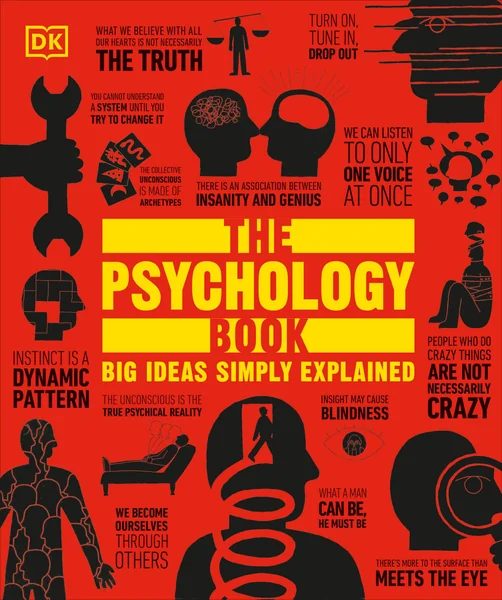
DK
Best for: Curious general readers and students with no prior psychology background who want a visually rich, well-organised survey of the field's biggest ideas — from ancient philosophy through to contemporary science — without wading through dense academic prose.
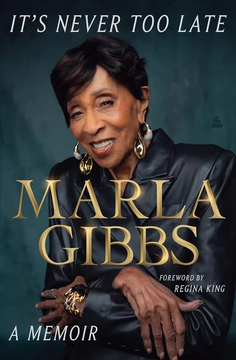
Marla Gibbs
Best for: Fans of classic-era Black television — particularly The Jeffersons and 227 — and anyone drawn to late-bloomer stories of persistence, who will find both the behind-the-scenes Hollywood history and Gibbs's unfiltered personal voice genuinely rewarding.
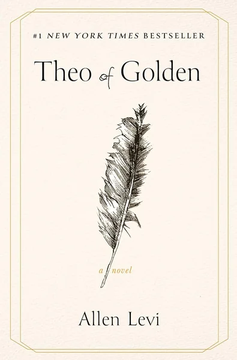
Allen Levi
Best for: Readers who love quietly life-affirming, character-driven fiction — particularly fans of Fredrik Backman or Matt Haig — who want to follow a singular, warm-hearted protagonist as he builds community one portrait and handwritten letter at a time.
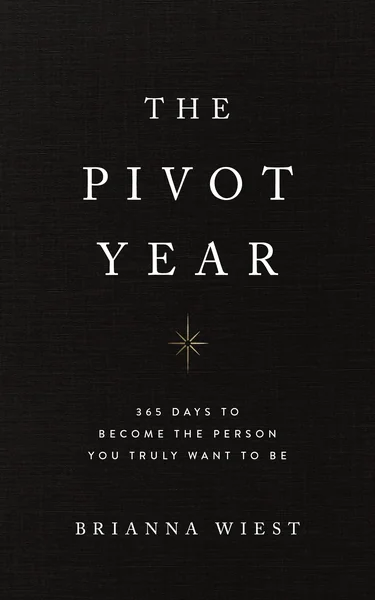
Brianna Wiest
Best for: Readers at a genuine inflection point — navigating a career change, recovering from a loss, or feeling their daily life has drifted from their values — who thrive with structured, incremental support and respond well to emotionally direct, motivational language.
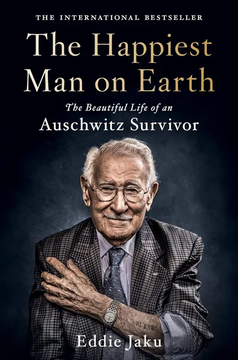
Eddie Jaku
Best for: Readers drawn to Holocaust memoir who want not only survivor testimony but a sustained philosophical argument — grounded in lived experience — for choosing gratitude, friendship, and joy over hatred and despair.
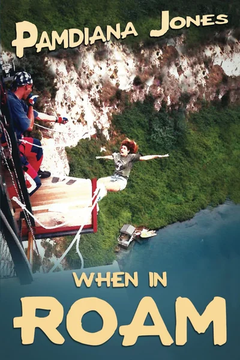
Pamdiana Jones
Best for: Readers who enjoy self-deprecating, incident-driven travel humor — especially anyone who has survived their own travel disasters or is curious about what solo backpacking looked like in the pre-internet mid-1990s.
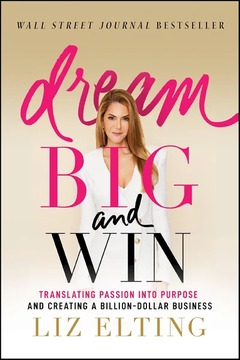
Liz Elting
Best for: Current and aspiring entrepreneurs, professionals weighing a founding leap, and business students who want a first-person, action-oriented account of scaling a company from an NYU dorm room to billion-dollar global enterprise.
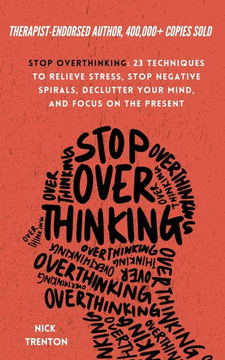
Nick Trenton
Best for: Readers at the beginning or middle of their anxiety-management journey who recognise themselves in chronic mental loops and want a structured, numbered toolkit of actionable techniques rather than a philosophical or clinical text.
Simon Singh
Best for: Simpsons fans with a curiosity about mathematics who want a genuinely educational popular-science read that uses beloved episodes as a doorway into topics from Fermat's Last Theorem to cosmological equations — no formal maths background required.
Matt Tenney
Best for: Beginners dealing with chronic overthinking or stress who want a structured, low-barrier introduction to mindful self-awareness — grounded in an author's lived journey from incarceration and monastic practice to corporate consulting — rather than a research-heavy or philosophically advanced treatment.
Paulo Coelho
Best for: Readers at a crossroads — those questioning whether they have honoured their own ambitions, or younger readers encountering big questions of purpose and destiny for the first time — who want a story that addresses those themes directly, without requiring theological or philosophical background.
Rick Rubin
Best for: Creatives at any stage — writers, musicians, designers, developers — who want a philosophical companion to return to repeatedly for renewed perspective on what it means to live and work as an artist.
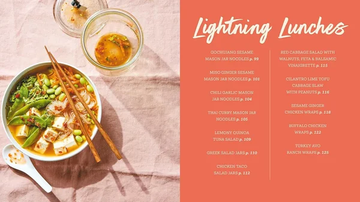
Kylie Sakaida
Best for: Home cooks who want a registered dietitian's evidence-based nutrition guidance delivered in plain, social-media-friendly language alongside a globally inflected recipe collection spanning everyday breakfasts to weeknight dinners and desserts.
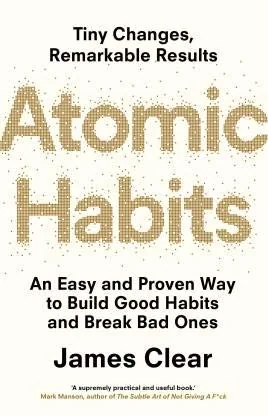
James Clear
Best for: Readers who want a single, repeatable framework for building good habits and breaking bad ones — particularly those who have tried willpower-based approaches and found them unsustainable.
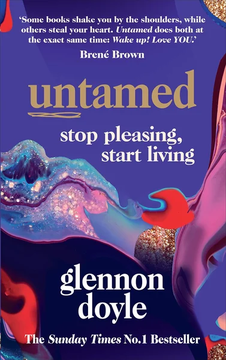
Glennon Doyle
Best for: Readers — particularly women — who are ready to interrogate whether the life they are living reflects their own values or an identity handed to them by family, religion, or culture, and who are drawn to memoir that blends confessional personal narrative with spiritual and cultural argument.
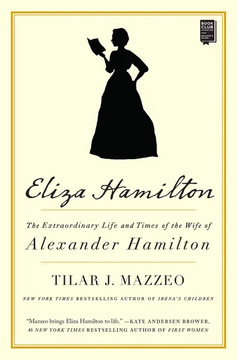
Tilar J. Mazzeo
Best for: Readers already captivated by the Hamilton cultural moment who want a serious, argument-driven biography that repositions Eliza Schuyler Hamilton as a strategically minded actor rather than a historical footnote to her famous husband.
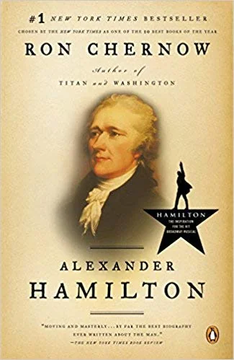
Ron Chernow
Best for: Readers — whether students of American history, fans of the Broadway musical seeking the primary source, or anyone curious about how the United States' financial and governmental architecture came to be — who want the most comprehensive, rigorously researched account of Hamilton's life and era available.
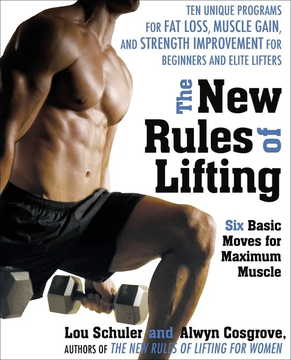
Lou Schuler, Alwyn Cosgrove
Best for: Anyone new to structured strength training — or an intermediate lifter ready to move beyond muscle-isolation splits — who wants a research-backed, movement-pattern programme delivered in an unusually readable, humour-laced voice.
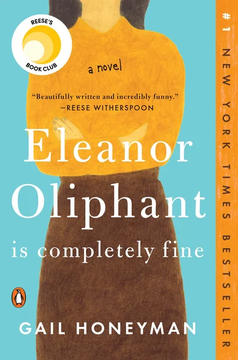
Gail Honeyman
Best for: Readers drawn to character-driven literary fiction who want emotional range — dark psychological depth wrapped in deadpan humour — and who respond to stories of found family and incremental healing.
