BOOKS
Published

Read Time

8 min read

Reader rating

4.8

· 37 Amazon ratings
reader ratings, not a LuvemBooks score
Curated & edited by

LuvemBooks Editorial

How we create our reviews →
Share This Review

It's Never Too Late by Marla Gibbs Review: A Charismatic, Candid Hollywood Memoir

Marla Gibbs's memoir, written with contributor Malaika Adero and published by Amistad/HarperCollins, traces the actress's journey from a turbulent Chicago childhood to decades of Hollywood stardom — a frank, personality-driven account that is, per Publishers Weekly, "funny, moving, and more than a little inspiring," even as Kirkus Reviews notes its structural looseness.

LuvemBooks Verdict

Best for

Fans of classic-era Black television — particularly The Jeffersons and 227 — and anyone drawn to late-bloomer stories of persistence, who will find both the behind-the-scenes Hollywood history and Gibbs's unfiltered personal voice genuinely rewarding.

Worth it if

You're happy to follow a personality-first, conversational memoir that prioritises Gibbs's distinctive voice and hard-won charisma over a tidy chronological structure.

Skip if

You need a tightly plotted, strictly chronological narrative — the memoir's digressive, transcript-like organisation is likely to frustrate readers who require that kind of structural clarity.

Kirkus Reviews calls it "a meandering read" but concedes that "Gibbs brings the charisma," flagging an unclear timeline and frequent digressions while acknowledging the memoir proves she is far more than just Florence Johnston. Publishers Weekly is warmer, praising the book as "funny, moving, and more than a little inspiring," highlighting how Gibbs weaves personal hardship and professional triumph together around an indefatigable spirit evident from the very first scene. Library Journal adds that the memoir reads like "a grandmother who's been there and then some" and calls it plainly "a treat."

A meandering read, but Gibbs brings the charisma — a memoir that proves the author is more than just Florence Johnston.

Kirkus Reviews

Funny, moving, and more than a little inspiring — that indefatigable spirit suffuses the proceedings.

Publishers Weekly
Sources: Kirkus Reviews, Publishers Weekly, Library Journal, bookreporter.com, bookreferees.org
4.8from 37 Amazon ratings— reader ratings, not a LuvemBooks score
In This Review
  • What Works & What Doesn't
  • What the Book Contains and Covers
  • Significance and Place in the Genre
  • What the Book Does Well
  • Structural Limitations
  • Who This Book Is For

What Works & What Doesn't

What Works
  • Praised by Publishers Weekly as 'funny, moving, and more than a little inspiring' — the dual threads of personal hardship and professional triumph are woven together effectively
  • Gibbs's voice on the page is distinctive and full of genuine charisma, per Kirkus Reviews, with sharp, memorable lines that reflect her personality
  • Covers historically significant ground, including the cast's negotiation for fair pay on The Jeffersons and Gibbs's navigation of Hollywood as a Black woman across multiple decades
  • Regina King's foreword and the book's late-bloomer framing give the memoir a strong sense of context and community
What Doesn't
  • Kirkus Reviews flags an unclear timeline and frequent digressions, calling it 'a meandering read' that can feel like a lightly edited transcript rather than a shaped narrative
  • Readers who prefer strict chronological structure may find the organizational looseness jarring across longer reading sessions
A charismatic life story told in a voice that feels like the woman herself — unfiltered, digressive, and hard to look away from.

What the Book Contains and Covers

It's Never Too Late: A Memoir – The Inspiring Biography of a Hollywood Legend and Star of The Jeffersons and 227 by Marla Gibbs front cover
It's Never Too Late is the memoir of Marla Gibbs, the actress best known for playing Florence Johnston, the sharp-tongued maid on the long-running sitcom The Jeffersons. Written with contributor Malaika Adero and published by Amistad/HarperCollins, it opens with early sections devoted to Gibbs's turbulent childhood in Chicago and Detroit during the 1930s and '40s, covering her upbringing by an emotionally cruel grandmother and an assault by one of her mother's boyfriends. From there the book traces her abusive marriage to her high school boyfriend, her eventual move to Los Angeles, and her work as a United Airlines flight attendant while she pursued acting. She booked a slate of blaxploitation films before landing the role that defined her public image: Florence Johnston on The Jeffersons, which premiered in 1975 and ran for 11 seasons. The memoir also covers her second television hit, 227, as well as later career work including stints on Scandal and Tyler Perry projects. Gibbs rounds out the narrative with an account of her turn toward faith following a brain aneurysm and a stroke. The book opens, as Kirkus Reviews notes, with Gibbs describing her early years in her own words: "My young life was defined by circumstances and people who came into my life to set me back and knock me down, sometimes literally, before I could get on my feet for any length of time."
Yes, I am there between Mahalia Jackson and Snoop Dogg, right where I belong. Between the Godly and the street, cause I'm a spiritual gangsta!

Significance and Place in the Genre

Gibbs did not land her signature role until she was 44 years old — a fact the title directly acknowledges and that gives the memoir its organizing thesis. That late-blooming trajectory makes the book a distinctive entry in the celebrity memoir genre, less a rags-to-riches story than a slow-burn account of persistence across decades of obstacles. As bookreporter.com frames it, the memoir is positioned as both "an inspiring personal portrait of triumph and Hollywood" and "a wise guidebook for aspiring artists, entrepreneurs, and entertainment fans." The book also carries historical weight: Gibbs's behind-the-scenes account of joining castmates to negotiate raises on The Jeffersons places her story within the broader history of Black performers fighting for equitable pay and creative control in Hollywood. A foreword by Regina King — who played Gibbs's daughter on 227 — anchors the book within its television lineage.

What the Book Does Well

Publishers Weekly praises the memoir as "funny, moving, and more than a little inspiring," noting that Gibbs deepens her show-business anecdotes by weaving them together with the more difficult personal threads — the abusive marriage, the health crises, the evolution of her faith. The memoir's greatest asset is Gibbs's personality on the page. Kirkus Reviews, while mixed overall, acknowledges that "Gibbs brings the charisma," and the evidence is in moments like her description of her star on the Hollywood Walk of Fame: "Yes, I am there between Mahalia Jackson and Snoop Dogg, right where I belong. Between the Godly and the street, cause I'm a spiritual gangsta!" That combination of humor, self-awareness, and earned confidence is what makes the memoir's inspirational register feel grounded rather than generic. The book also opens with an attention-grabbing framing device: Publishers Weekly notes that the action begins at the 2025 American Black Film Festival Honors, where Gibbs, at 93, interrupted her own legacy award acceptance speech to tell the room, "If you have some projects for me, my agents are standing right over there" — a scene that immediately establishes the book's indefatigable spirit.

Structural Limitations

The book's most consistent critical note concerns its architecture. Kirkus Reviews observes that the memoir "reads like a lightly edited transcript of Gibbs talking about her life," with a timeline that is "often unclear" and digressions that make for "a sometimes jarring read." Readers who come expecting the crisp, tightly plotted narrative structure of a more conventionally shaped memoir may find the looseness frustrating. Publishers Weekly notes that the early sections about Gibbs's childhood are "sandwiched" between the foreword and a later chapter, suggesting the overall organization prioritizes energy over linearity. This is worth knowing going in: the book rewards readers willing to follow Gibbs's conversational rhythms rather than those seeking a strict chronological throughline.

Who This Book Is For

Pop-culture aficionados with an affection for the classic-era television landscape — particularly fans of The Jeffersons and 227 — will find the behind-the-scenes material especially rewarding. Kirkus Reviews specifically identifies that audience as one the memoir "is bound to interest." Beyond the TV history, the book is designed to speak to anyone drawn to stories of late reinvention: Gibbs's account of building a career, negotiating for fair treatment, and rebuilding her life after personal hardship is structured to resonate as broadly applicable. Readers who prefer loosely structured, personality-first memoirs over methodically constructed ones will be most at home here. Those who require narrative tidiness may find the book more enjoyable in smaller sittings than in long stretches.

Sources & Further Reading

The key facts and claims in this review are grounded in the retrieved, verified sources listed below.

  1. Cited in this review
  2. 1
  3. 2
  4. Further reading
  5. 3
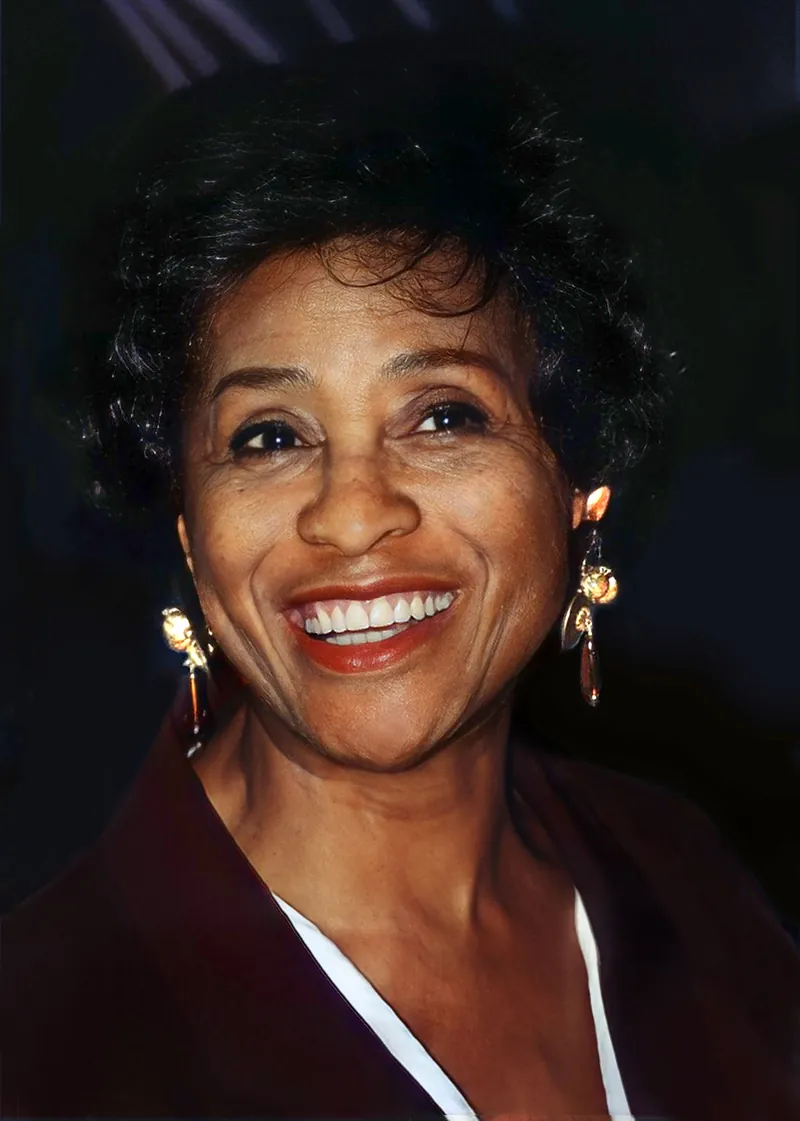
    Marla Gibbs — author profileHigh-authority source

    Marla Gibbs, Wikipedia

  6. 4
  7. 5
  8. 6
  9. 7
  10. 8
  11. 9