8 min read
4.8
· 7,115 Amazon ratingsShare This Review
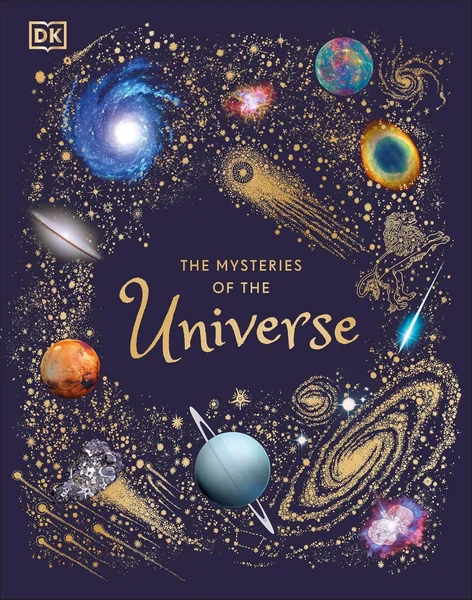
The Mysteries of the Universe by Will Gater Review: A Lavish First Encyclopedia for Young Stargazers
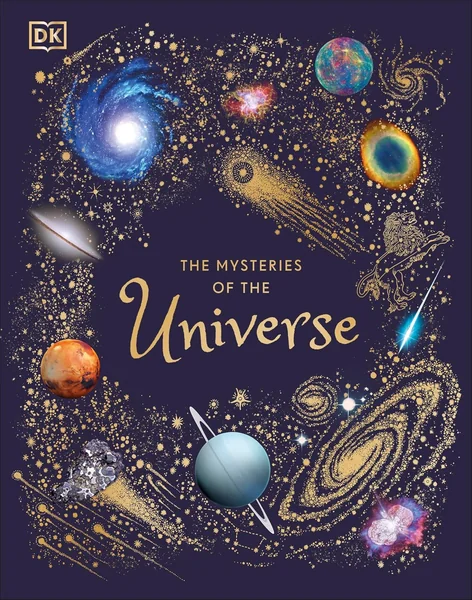
Published by DK Children in September 2020, The Mysteries of the Universe is a children's space encyclopedia by Will Gater that guides readers aged 6–8 through more than 100 celestial objects — from planets and asteroids to black holes and galaxies — pairing real photography with illustrations and storybook-style text to make the cosmos accessible to early learners.
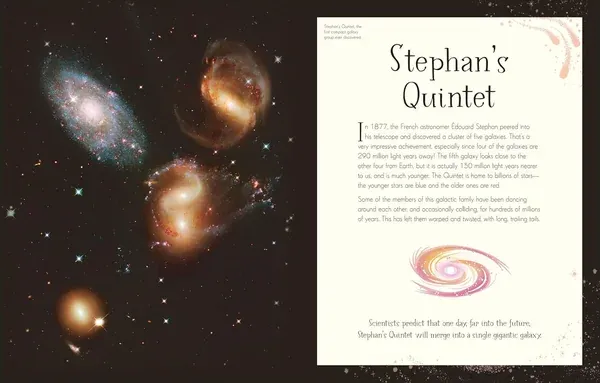
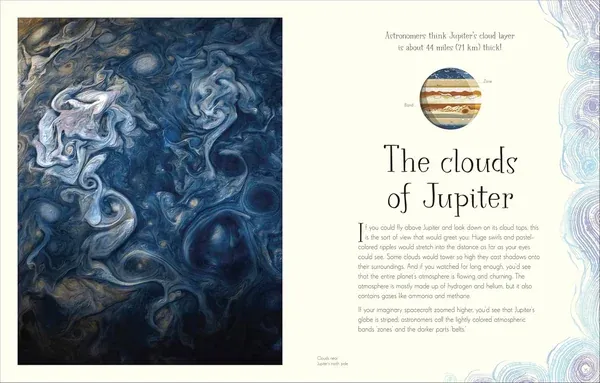 Tap to enlarge
LuvemBooks Verdict
Best for
Children aged 6–8 with a budding interest in space who need a richly visual, accessible first reference that works equally well as a family read-aloud and as an independent browse.
Worth it if
The young reader in your life is hungry for cosmic wonder and benefits from a format that pairs real photography with illustration and wraps scientific facts in storybook-style prose rather than dry encyclopedic text.
Skip if
Children who have already moved past foundational astronomy — or families seeking extended narrative chapters and thematic depth — will find the entry-by-entry structure and deliberately simple language too limited too quickly.
What readers & critics say
Waterstones highlights the book's "engaging storybook-style descriptions and simple text" as effective tools for shedding light on facts, myths, and key discoveries for children aged 6–8. Antoine Online describes it as "a treat for all ages," praising it as "visually stunning, with a fabulous selection of space photos" and commending its ability to contain "the full glory of the cosmos in a language that's simple and engaging enough for an eight-year-old."
Sources: Waterstones, Antoine OnlinePreview the book
Ask LuvemBooks
Was this helpful?
- Is it worth reading?
- For its target audience of curious children aged 6–8, The Mysteries of the Universe earns its place on the shelf. Its unusual breadth — more than 100 celestial objects covered with consistent entry formatting — combined with the blend of real photography, illustration, and storybook-style prose makes it a genuinely functional first reference rather than a superficial picture walk. Families will find it scales well across repeated use, and the inclusion of myths and key discoveries alongside bare facts gives each entry more narrative texture than a simple data sheet. Children who have already moved beyond foundational astronomy, however, will hit the ceiling of its deliberately simple text relatively quickly.
- Who should read this?
- The Mysteries of the Universe is designed for children aged 6–8 who are curious about space and ready to move beyond picture books into a first reference format. It suits independent early readers as well as families who enjoy read-aloud non-fiction sessions together. Children who love visual, richly illustrated non-fiction and enjoy browsing rather than reading cover-to-cover will get the most out of its encyclopedia structure. It is not aimed at children who have already developed a deeper grounding in astronomy — for them, the deliberately entry-level text will feel limiting.
- What age is it for?
- Best for children aged 6–8 (broadly grades 1–3). The storybook-style prose and simple language are specifically calibrated for early independent readers in that range, while the visual pairing of photography and illustration supports comprehension. Younger children will benefit most from adult co-reading, particularly for the more abstract entries on phenomena like black holes and galaxies, while children above the 8-year-old upper bound who are already comfortable with basic astronomy may find the text too introductory.
- About Will Gater
- Will Gater is an astronomer, writer, astrophotographer, and science presenter with a passion for bringing to life the wonders of the Universe. His journalistic news reporting and feature writing has appeared in publications including New Scientist, BBC Sky at Night Magazine, Physics World, Focus, and Astronomy Now. He is also the author of space books for children, of which The Mysteries of the Universe is one.
- Similar books
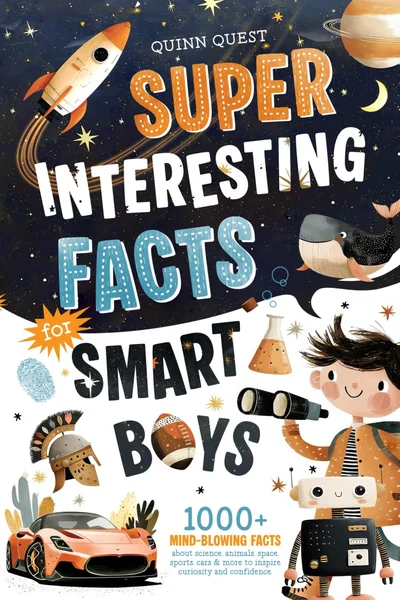
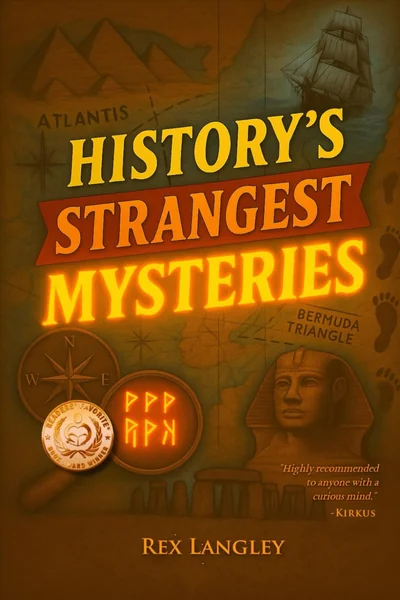
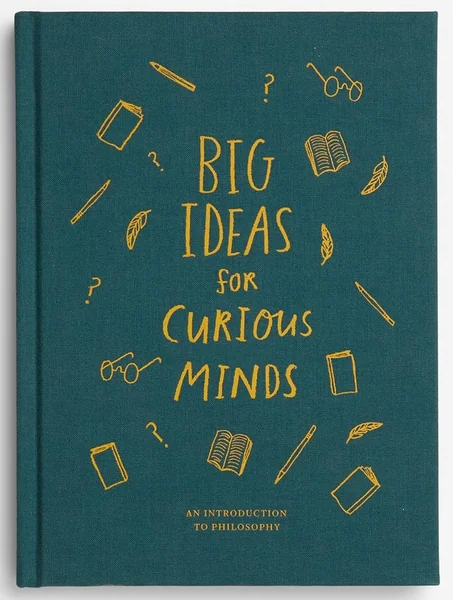
- Readers who enjoy The Mysteries of the Universe may also want to explore Super Interesting Facts For Smart Boys by Quinn Quest, which offers 1,000+ mind-blowing facts spanning science, animals, space, and sports in a similarly browsable format for young curious readers. History's Strangest Mysteries by Rex Langley takes a comparable investigation-style approach for young readers, applying it to historical puzzles rather than the cosmos. Big Ideas for Curious Minds by The School of Life is another visually engaging, child-friendly introduction to big concepts — philosophy in that case — that shares the same spirit of sparking early intellectual curiosity. For readers who love the blend of imagination and discovery in a picture-book format, Goodnight Moon by Margaret Wise Brown is a beloved classic that pairs visual charm with a sense of wonder, and Impossible Creatures by Katherine Rundell offers a fantasy adventure for readers ready to step beyond reference books into narrative.
- What's the reading level?
- The Mysteries of the Universe is pitched at early readers aged 6–8, broadly corresponding to grades 1–3. Penguin Random House's description confirms the text is written in a storybook-style voice with simple language calibrated for independent readers at that level, while also functioning as a family read-aloud for children at the younger end of the range. Children at grades 2–4 who are already conversant with basic astronomy will find the prose accessible but may reach the ceiling of its technical scope quickly.
- How does it use photos and illustrations?
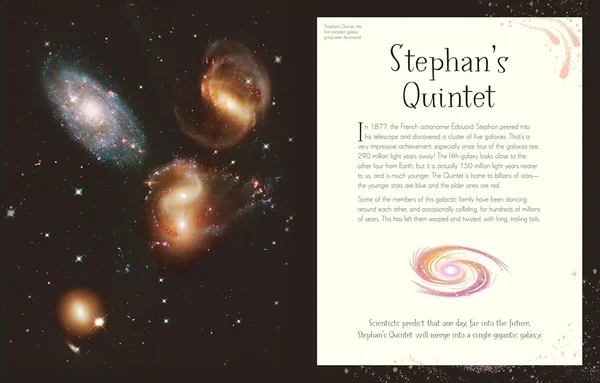
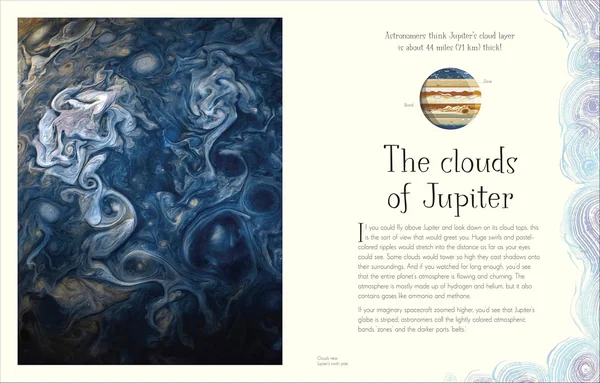
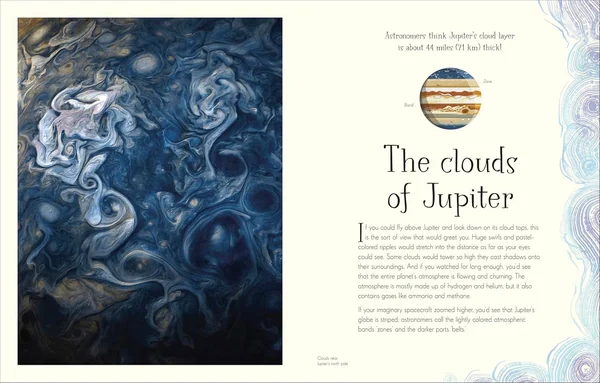
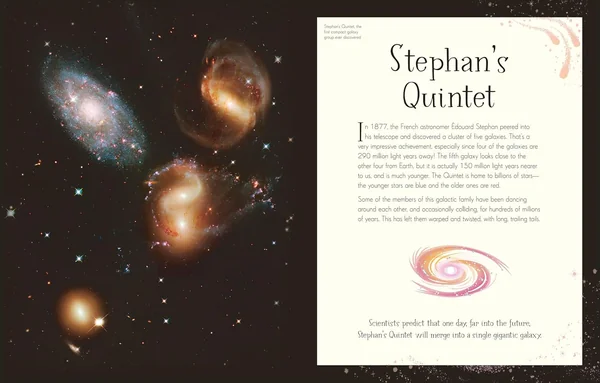
- One of the book's defining design choices is its pairing of real photography with bespoke illustrations for each celestial object. According to Penguin Random House's description, the photography grounds each subject in scientific reality — showing what these objects actually look like — while the illustrations enrich the sense of discovery and imagination. This dual visual approach is central to the book's appeal, allowing it to function as both a visually stimulating picture book and a factually grounded first reference. Penguin Random House describes the combination as providing 'close-up detail' that would be harder to achieve with either format alone.
Summarize this book
Follow up
Synthesized from verified book data & published reviews · How we review
Press Enter to ask. Answers come from our editorial Q&A — start typing to see related questions.
Age & Reading Level
Recommended age
Ages 6–8
who it suits
Best for: Ages 6–8 — storybook-style prose and simple language are calibrated for early independent readers; younger children will benefit from adult co-reading, particularly for abstract entries on black holes and distant galaxies.
Skip if you want narrative chapters or thematic storytelling rather than a browse-friendly encyclopedia of individual object entries.
Our Review
What the Book Actually Is and Does
Structure and Design Approach
Scope and Breadth of Coverage
Strengths Noted in the Record
Who This Book Is For — and Where It Has Limits
Sources & Further Reading
The key facts and claims in this review are grounded in the retrieved, verified sources listed below.
- Cited in this review
- 1
waterstones.com
- Further reading
- 2
- 3
- 4
- 5
Books like The Mysteries of the Universe
Curated picks for readers who enjoyed The Mysteries of the Universe, with our reasoning for each match.
If you liked The Mysteries of the Universe