
8 min read
4.6
· 181,939 Amazon ratingsShare This Review
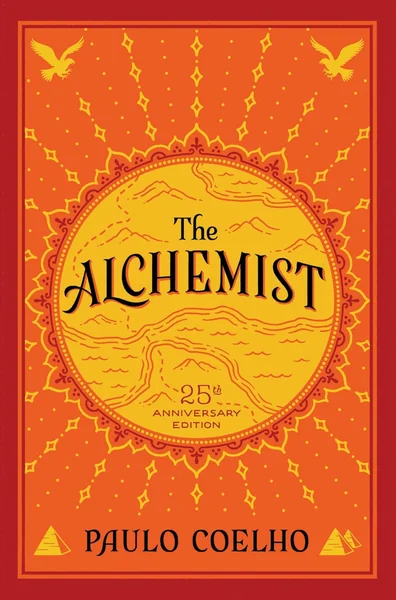
The Alchemist by Paulo Coelho Review: A Global Spiritual Fable Worth Revisiting
Paulo Coelho's The Alchemist is a spiritual fable that has traveled far beyond its 1988 Portuguese origins to become one of the most widely read novels in publishing history, now available in a HarperOne anniversary edition that introduces it to yet another generation of readers seeking meaning and direction.
 Tap to enlarge
LuvemBooks Verdict
Best for
Readers at a crossroads — those questioning whether they have honoured their own ambitions, or younger readers encountering big questions of purpose and destiny for the first time — who want a story that addresses those themes directly, without requiring theological or philosophical background.
Worth it if
You accept the book on its own fable terms: a lean, parable-like structure where philosophical weight is carried by archetypal characters and episodic adventure rather than psychological realism or moral ambiguity.
Skip if
You prize psychological interiority, morally complex characters, or narratives that genuinely interrogate their own premises — the fable's self-confirming spiritual logic and archetype-driven cast will frustrate rather than reward that kind of reader.
What readers & critics say
Kirkus Reviews dismissed it on publication as "an interdenominational, transcendental, inspirational fable — in other words, a bag of wind," while biblio.com notes that critical detractors characterise it as "self-help in disguise — clichéd, didactic, and philosophically shallow." On the other side, hillyreviews.com and artsandfood.com praise Coelho's accessible prose and its quiet capacity to transform readers, and books.google.com records Oprah Daily naming it among the best self-help books of a generation.
“An interdenominational, transcendental, inspirational fable — in other words, a bag of wind.”
— Kirkus ReviewsAge & Reading Level
Recommended age
Adult
Reading level
Adult
who it suits
Skip if you want psychologically complex characters, moral ambiguity, or a narrative that entertains genuine doubt about its own spiritual premises.
The Alchemist: A Modern Classic Fable of Spiritual Healing, Self-Discovery, by Paulo Coelho is Trending
The Alchemist Is Coming to Netflix — and Readers Are Picking Up the Book
A Netflix adaptation of The Alchemist is generating buzz right now, sending readers back to Paulo Coelho's beloved fable before the screen version arrives. If you've been meaning to finally read this one, now's a great time to get ahead of it.
Netflix is bringing The Alchemist to the screen, and it's got people talking. TikTok is full of clips and conversations about the adaptation, with fans sharing reactions and debating how the story will translate. For a book this beloved — one that's sold tens of millions of copies across more than 80 languages — any screen version is a big deal, and the chatter is driving a fresh wave of interest in Coelho's original novel.
The timing makes sense. When a streaming giant picks up a classic, a lot of readers want to experience the source material first. The Alchemist follows Santiago, a shepherd boy who crosses North Africa chasing a dream, and its themes of following your personal legend and trusting the journey feel just as relevant today as they did in 1988. This isn't a book people feel neutral about — those who love it really love it, which is exactly why the Netflix announcement is landing with such energy online.
On top of the Netflix news, a theatre troupe called Actomania is also staging a live adaptation called "The Alchemist: Subarnasrastha," showing just how widely this story continues to inspire. Whether you're a longtime fan or someone who's never picked it up, right now is a great moment to read it — before everyone's talking about the show instead of the book.
In This Review
- What Works & What Doesn't
- What the Book Actually Is
- Scale, Reach, and Cultural Footprint
- Genuine Strengths
- Limitations and Who May Be Frustrated
- Who This Book Is For
What Works & What Doesn't
What Works
- Documented global phenomenon: over 150 million copies sold and translated into more than 65 languages
- The fable structure makes complex spiritual ideas — destiny, purpose, the 'Personal Legend' — accessible without sacrificing thematic depth
- Each character Santiago encounters is designed to embody a distinct relationship to one's calling, giving the philosophical argument narrative shape
- The HarperOne anniversary edition includes a new foreword by Coelho, adding authorial context for returning and first-time readers alike
- Praised by Oprah Daily as one of the best self-help books of a generation, with cross-generational and cross-cultural reach well documented
What Doesn't
- Characters function as archetypes rather than psychologically complex individuals — readers who prize interiority and moral ambiguity are likely to find the cast underdeveloped
- The novel's fable logic is self-confirming: omens prove true, destiny is vindicated, and genuine doubt about the book's spiritual premises is not entertained within the narrative
What the Book Actually Is
Scale, Reach, and Cultural Footprint
Genuine Strengths
Limitations and Who May Be Frustrated
Who This Book Is For
Frequently Asked Questions
Sources & Further Reading
The key facts and claims in this review are grounded in the retrieved, verified sources listed below.
- Cited in this review
- 1
en.wikipedia.org
- 2
- 3
- Further reading
- 4
Paulo Coelho, Wikipedia
- 5
- 6
artsandfood.com
- 7
readtraverse.com
- 8
- 9
Reader Comments
No comments yet
Be the first to share your thoughts!