
8 min read
4.7
· 11,541 Amazon ratingsShare This Review
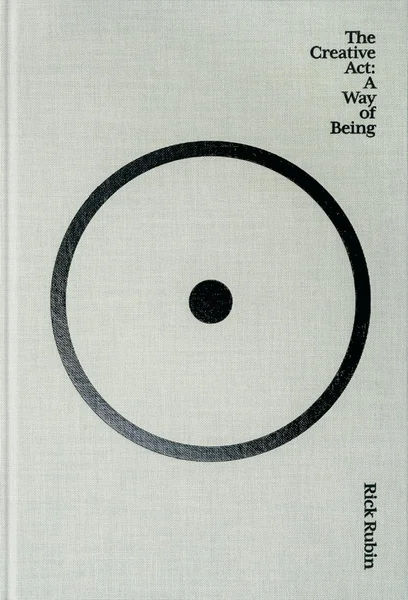
The Creative Act: A Way of Being by Rick Rubin Review: A Philosopher's Guide to Everyday Creativity
Rick Rubin's The Creative Act: A Way of Being is a wide-ranging collection of philosophical meditations on creativity, structured across 78 short chapters, designed for anyone who makes or aspires to make — regardless of discipline or experience level.
LuvemBooks Verdict
Best for
Creatives at any stage — writers, musicians, designers, developers — who want a philosophical companion to return to repeatedly for renewed perspective on what it means to live and work as an artist.
Worth it if
You're drawn to books like Bird by Bird or The War of Art that you revisit for periodic creative renewal, and you're open to a meditative, non-linear exploration of creative consciousness rather than a prescriptive how-to.
Skip if
You're coming to the book primarily for behind-the-scenes stories from Rubin's legendary recording sessions — personal anecdotes about specific artists are sparse, and readers seeking a music-industry memoir will need to look elsewhere.
What readers & critics say
Kirkus Reviews offers an enthusiastic verdict — "terrific encouragement for anyone embarking on a creative project" — praising Rubin's insistence that creativity is a fundamental human capacity rather than a rare gift. Bookmarks.Reviews presents a more measured consensus, noting the book is "infused with deep thoughts, insight and creativity" while observing it would have benefitted from more personal anecdotes and that it is at times "bloated and missing its essence."
“Terrific encouragement for anyone embarking on a creative project, no matter what it might be.”
— Kirkus ReviewsAge & Reading Level
Recommended age
Adult
Reading level
Adult
who it suits
Skip if you're looking for behind-the-scenes storytelling from Rubin's recording sessions or a step-by-step prescriptive framework for creative development.
In This Review
- What Works & What Doesn't
- What the Book Actually Is
- Rubin's Standing and Why This Book Matters
- Genuine Strengths: Practical Wisdom Within a Philosophical Frame
- A Notable Limitation: Light on Personal Anecdote
- Who This Book Is For
What Works & What Doesn't
What Works
- Structured across 78 short, self-contained meditations — designed to be revisited repeatedly rather than read once and shelved
- Draws on Rubin's career spanning metal, country, hip-hop, and pop, giving the book's universal claims an unusually broad grounding
- Balances philosophical depth with practical, actionable wisdom, as noted by Steven Pressfield
- Praised by major voices across creative disciplines — from Matt Haig and Anne Lamott to Jony Ive and Kae Tempest — for its broad applicability beyond music
- Positions creativity as universally accessible, making it welcoming to readers at any stage of a creative life
What Doesn't
- Readers expecting behind-the-scenes stories from Rubin's legendary recording sessions will find the book largely avoids that territory — personal anecdotes about specific artists are sparse
- The meditative, non-linear structure, while intentional, may frustrate readers seeking a more sequential or prescriptive framework for creative development
What the Book Actually Is
Rubin's Standing and Why This Book Matters
Genuine Strengths: Practical Wisdom Within a Philosophical Frame
A Notable Limitation: Light on Personal Anecdote
Who This Book Is For
Frequently Asked Questions
Sources & Further Reading
The key facts and claims in this review are grounded in the retrieved, verified sources listed below.
- Cited in this review
- 1
calvinrosser.com
- 2
armedwithabook.com
- 3
sites.prh.com
- 4
- Further reading
- 5
ia800503.us.archive.org
- 6
newbookrecommendation.com
- 7
- 8
juliegibbons.com
- 9
- 10
- 11
Related Reviews
Reviews of books we picked for readers who enjoyed The Creative Act.
Reader Comments
No comments yet
Be the first to share your thoughts!