8 min read
Share This Review
Alexander Hamilton by Ron Chernow Review: A Landmark Biography of a Founding Father
Ron Chernow's Alexander Hamilton is a #1 New York Times bestselling biography that recasts one of American history's most debated Founding Fathers — an illegitimate, self-taught Caribbean orphan who rose to become George Washington's aide-de-camp, the primary architect of The Federalist Papers, and the first Treasury Secretary of the United States — as the indispensable, if often misunderstood, engine behind the nation's political and economic foundations. Winner of the George Washington Book Prize and the inspiration for the Broadway musical Hamilton, it stands as the definitive full-length portrait of its subject, drawing accolades from historians including David McCullough, Joseph Ellis, and Robert A. Caro.
LuvemBooks Verdict
Best for
Readers — whether students of American history, fans of the Broadway musical seeking the primary source, or anyone curious about how the United States' financial and governmental architecture came to be — who want the most comprehensive, rigorously researched account of Hamilton's life and era available.
Worth it if
Worth committing to if you want a full, authoritative portrait of Hamilton in all his contradiction — immigrant outsider, institution-builder, scandal-ridden husband, and political titan — set against the entire sweep of the founding era.
Skip if
Skip it if you're after a brisk, tightly focused narrative rather than a sprawling 800-plus-page immersion in the founding period as a whole, or if Chernow's transparently admiring stance toward his subject would frustrate your appetite for critical detachment.
What readers & critics say
Kirkus Reviews awarded the biography a starred notice, calling it "by far the best of the many lives of Hamilton now in print, and a model of the biographer's art," while Publishers Weekly praised Chernow's achievement in delivering "a biography commensurate with Hamilton's character, as well as the full, complex context of his unflaggingly active life." Goodeyreads.com, reflecting reader response, highlighted how Chernow manages to tell Hamilton's story in a way that is "put together and thorough" without being tedious — notable praise for a work of this scale.
“By far the best of the many lives of Hamilton now in print, and a model of the biographer's art.”
— Kirkus Reviews“A splendid life of an enlightened reactionary and forgotten Founding Father.”
— Kirkus Reviews“Chernow's achievement is to give us a biography commensurate with Hamilton's character, as well as the full, complex context of his unflaggingly active life.”
— Publishers WeeklyAsk LuvemBooks
Was this helpful?
- Is it worth reading?
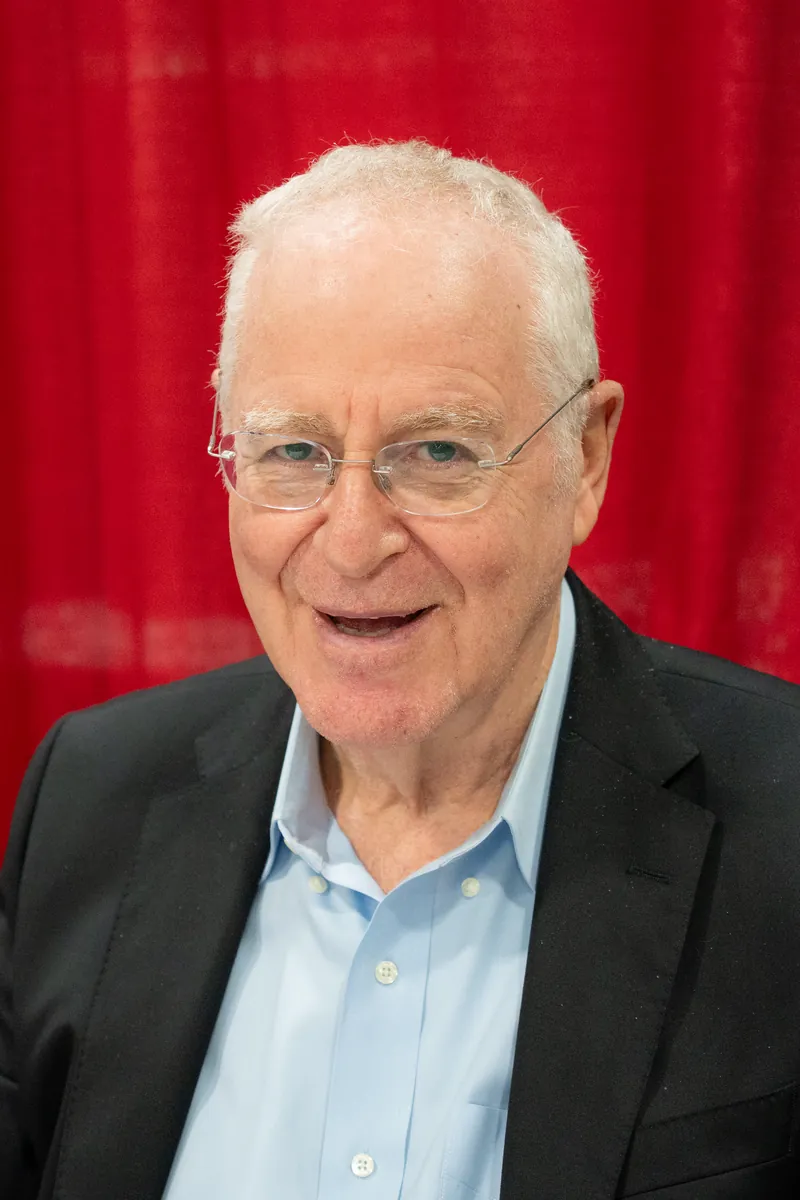
- For readers with genuine curiosity about the founding era, Alexander Hamilton is the essential starting point — a #1 New York Times bestseller that earned a starred Kirkus Reviews notice and drew superlatives from historians David McCullough ('a genuinely great book'), Joseph Ellis ('the best ever written' portrait of Hamilton), and Robert A. Caro, who praised the 'thoroughness and integrity' of Chernow's research. Its depth of scholarship — surfacing Hamilton's early views on slavery rooted in his Caribbean upbringing, the evolution of his political thinking, and the full texture of his personal life — sets it apart from earlier, narrower accounts. The one honest caveat: this is a substantial, comprehensive work that rewards patience, not a brisk read.
- Similar books
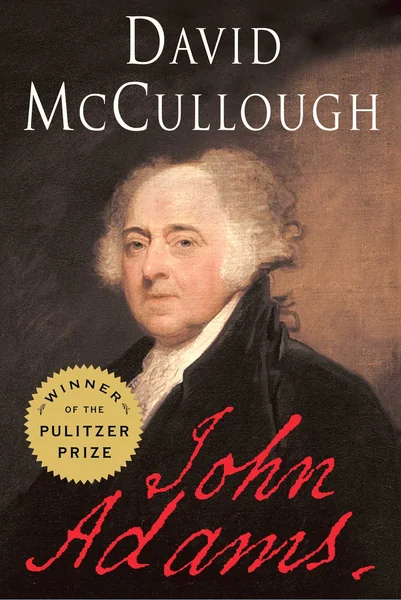
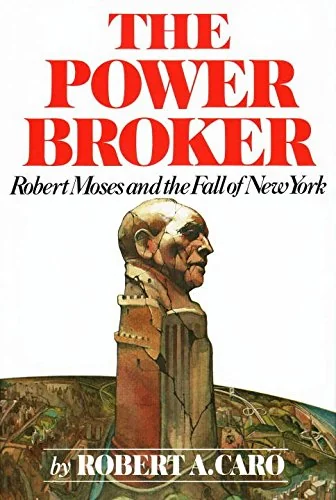
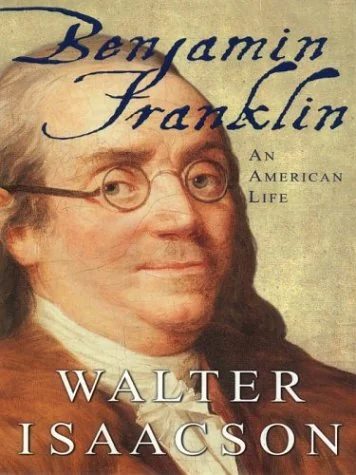
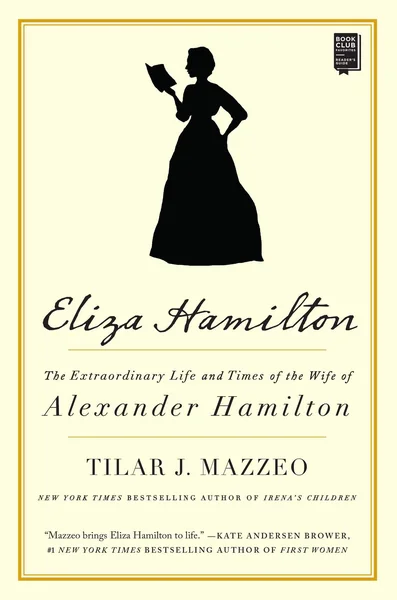
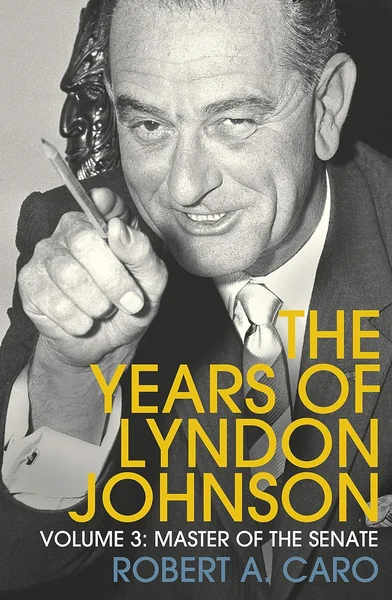
- Readers who love Alexander Hamilton tend to gravitate toward other large-scale American biographical works. David McCullough's John Adams offers a similarly immersive portrait of a founding-era figure who was also a Hamilton rival. Walter Isaacson's Benjamin Franklin: An American Life and H. W. Brands' The First American: The Life and Times of Benjamin Franklin provide comparable depth on another Founder. Robert A. Caro's The Power Broker: Robert Moses and the Fall of New York — Caro himself praised Chernow's research — and Master of the Senate: The Years of Lyndon Johnson share the same commitment to exhaustive archival scholarship and the anatomy of political power. For readers drawn specifically to Hamilton's world, Tilar J. Mazzeo's Eliza Hamilton: The Extraordinary Life and Times of the Wife of Alexander Hamilton offers a complementary perspective on the woman at the center of his personal life.
- Who should read this?
- Alexander Hamilton is best suited to three distinct audiences: students and serious readers of American history who want a comprehensive, scholarly account of the founding era; admirers of Lin-Manuel Miranda's Broadway musical Hamilton who want to engage with the primary biographical source; and readers interested in the architecture of political and economic power who want to understand how the United States' financial and governmental foundations were actually built. It is not a quick overview — it rewards readers who bring patience and genuine curiosity about the period as a whole, not only Hamilton himself.
- About Ron Chernow
- Ronald Chernow is an American writer, journalist, and biographer.
- Tell me about the adaptation
- Alexander Hamilton is the primary inspiration for Lin-Manuel Miranda's Broadway musical Hamilton, which opened on Broadway in 2015 and became a landmark cultural phenomenon. Miranda has credited Chernow's biography directly — he began writing the musical after reading the book — and Chernow served as a historical consultant on the production. The musical covers the major episodes of Hamilton's life that Chernow documents: his Caribbean origins, his rise under Washington, the Reynolds affair, the Burr duel, and Eliza's legacy. A filmed version of the original Broadway cast production became widely available through Disney+ in 2020.
- What are the main themes?
- Several major themes run through Alexander Hamilton: the immigrant outsider's drive to build lasting institutions in a new country; the tension between Hamilton's vision of centralized financial and governmental power and Jefferson's democratic idealism; the contradiction between personal virtue and public scandal, most sharply illustrated by the Reynolds affair; and the evolution of a political thinker from a man with unusually tolerant views on slavery and race — shaped by witnessing the tyranny of the planter class on Nevis — to a more conservative figure as political losses accumulated. Chernow also traces how Hamilton's ambition, rooted in the shame of his origins, was inseparable from his extraordinary productivity.
Summarize this book

Follow up
Synthesized from verified book data & published reviews · How we review
Press Enter to ask. Answers come from our editorial Q&A — start typing to see related questions.
Age & Reading Level
Recommended age
Adult
Reading level
Adult
2 content notes · who it suits
Content to know about
Skip if you want a brisk, tightly focused single-subject narrative rather than a comprehensive survey of the entire founding era.
Our Review
What the Biography Actually Covers
![[By Ron Chernow ] Alexander Hamilton (Paperback)【2018】by Ron Chernow (Author) (Paperback) by Ron Chernow front cover](https://cdn.luvembooks.com/media/original_images/By_Ron_Chernow__Alexander_Hamilton_Paperback2018by_Ron_Chernow_Author_P_RIVECfE.webp)
Its Significance and Place in the Field
Strengths: Research, Scope, and Historical Rehabilitation
Hamilton as a Human Subject
Who This Biography Is For — and Where It Demands Patience
Sources & Further Reading
The key facts and claims in this review are grounded in the retrieved, verified sources listed below.
- Cited in this review
- 1
- 2
penguinrandomhouse.com
- 3
goodeyreads.com
- Further reading
- 4
Ron Chernow, Wikipedia
- 5
kirkusreviews.com
- 6
bookoutlet.com
- 7
broadwaymerchandiseshop.com
- 8
- 9
barnesandnoble.com
Books like Alexander Hamilton
Curated picks for readers who enjoyed Alexander Hamilton, with our reasoning for each match.
If you liked Alexander Hamilton