Our reviews
16 business & economics books we've reviewed, each with who it's for, who should skip it and every source we used.
16 reviews match
Brian P. Moran, Michael Lennington
Best for: Professionals and organizational leaders who feel trapped in annual planning cycles and want a conceptually clear, practitioner-grounded framework for compressing their execution rhythm and rebuilding urgency around goals.
Ryan Deiss
Best for: Founders and small-to-midsize business owners who feel trapped by operational dependency — people who launched a company for wealth and freedom but now find themselves the single point of failure for every decision.
Ahmad Abu Zannad
Best for: Marketers, brand strategists, cultural critics, and general readers who want to understand how advertising and algorithmic systems have come to shape not just consumer behavior but identity itself — particularly those comfortable with argument-driven, interdisciplinary nonfiction.
Daniel Coyle
Best for: Managers, coaches, educators, and team leads in any sector who want a research-informed but narrative-driven playbook for diagnosing and actively building stronger group culture.
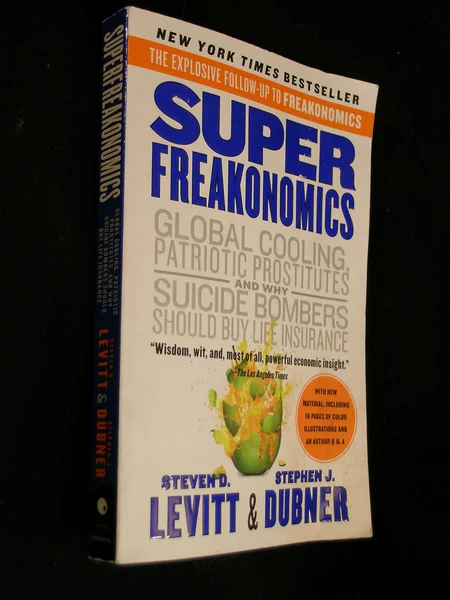
Steven D. Levitt, Stephen J. Dubner
Best for: General-interest readers curious about how economic logic and incentive-based thinking illuminate everyday human behaviour, who want an accessible, anecdote-driven introduction to popular microeconomics and don't mind that some chapters are more rigorous than others.
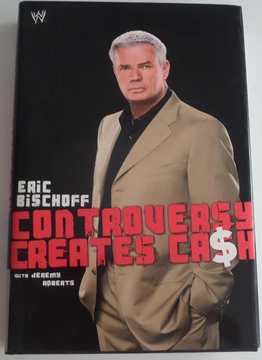
Eric Bischoff, Jeremy Roberts
Best for: Fans of professional wrestling's business history who want an executive-level account of the Monday Night War — particularly the talent strategy, television deal-making, and boardroom manoeuvring behind WCW's mid-1990s surge — told by the man most responsible for forcing WWE into genuine competition.
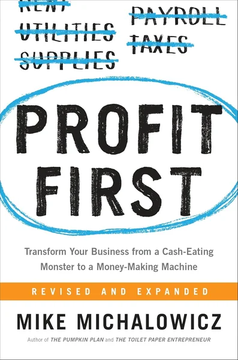
Mike Michalowicz
Best for: Small-business owners and entrepreneurs who are generating revenue but consistently ending up cash-poor — and want a behaviorally grounded, step-by-step system to build profitability from day one.
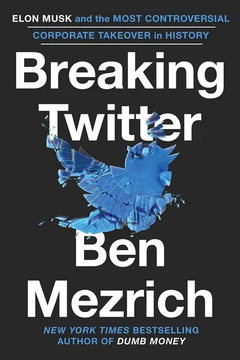
Ben Mezrich
Best for: Readers already familiar with Mezrich's novelistic approach to tech-world nonfiction — think The Social Network or Dumb Money — who want a fast-moving, cinematic account of the Twitter acquisition and are comfortable trading documentary rigour for propulsive storytelling.
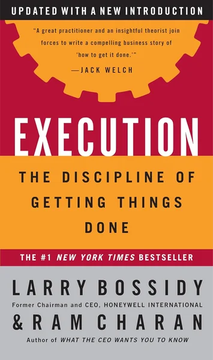
Larry Bossidy, Ram Charan, Charles Burck
Best for: Senior leaders, newly appointed managers, and business professionals who want a practitioner-grounded framework for closing the gap between strategy and results in large, hierarchically structured organisations.
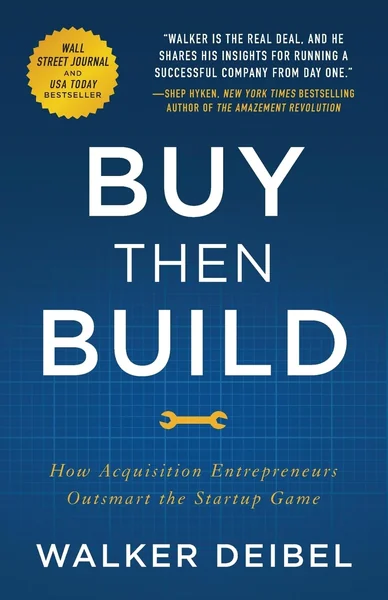
Walker Deibel
Best for: Professionals with some capital access who are seriously considering acquiring and operating a small-to-medium business and want a structured, step-by-step framework to move from initial conviction to closing a deal.
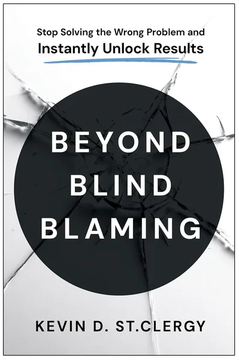
Kevin St.Clergy
Best for: Entrepreneurs and business owners who feel persistently stuck despite genuine effort and sound strategy, and suspect the real issue may be that they're solving the wrong problem rather than the right one badly.
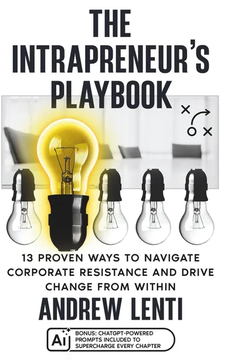
Andrew Lenti
Best for: Mid-to-senior professionals — project leads, department heads, and internal change agents — already embedded in large or complex organizations who need actionable strategies for pushing innovation initiatives past institutional resistance.
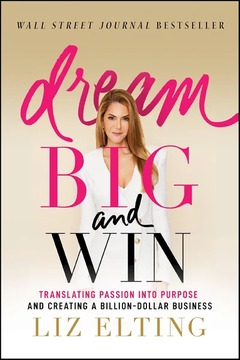
Liz Elting
Best for: Current and aspiring entrepreneurs, professionals weighing a founding leap, and business students who want a first-person, action-oriented account of scaling a company from an NYU dorm room to billion-dollar global enterprise.
Clayton M. Christensen
Best for: Managers at established companies and entrepreneurs in strategy or leadership roles who need a rigorous conceptual framework for understanding why dominant firms are structurally vulnerable to disruption — and how challengers can exploit that vulnerability.
Ramit Sethi
Best for: Young adults who are new to managing money and want a structured, action-oriented program that builds an automated financial system from the ground up — with minimal prior knowledge required.
Eric Ries
Best for: Founders, product managers, and intrapreneurs who need a structured, repeatable methodology for launching and iterating on new products under uncertainty — particularly those working in tech or knowledge-based industries where rapid prototyping is feasible.
