Our reviews
44 business & economics books we've reviewed, each with who it's for, who should skip it and every source we used.
44 reviews match
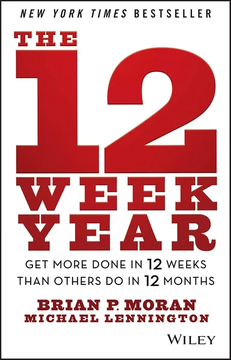
Brian P. Moran, Michael Lennington
Best for: Professionals and organizational leaders who feel trapped in annual planning cycles and want a conceptually clear, practitioner-grounded framework for compressing their execution rhythm and rebuilding urgency around goals.
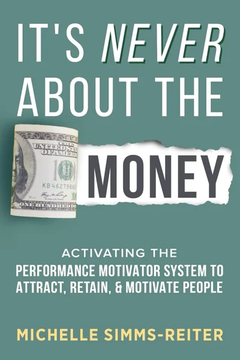
Michelle Simms-Reiter
Best for: Business owners, founders, and people-leaders — new or experienced — who already believe their retention and morale problems are cultural rather than financial and want a compact, named, step-by-step framework for acting on that belief.
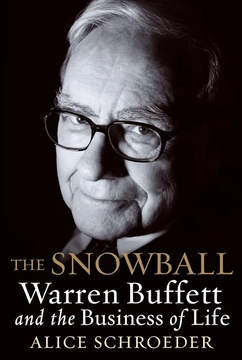
Alice Schroeder
Best for: Investors, students of business history, and Buffett followers who want the complete, access-driven portrait — built on 2,000+ hours in his personal files and his sole full cooperation with a biographer — rather than a highlight reel or a how-to manual.
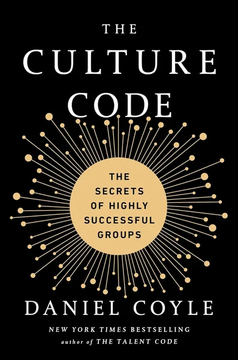
Daniel Coyle
Best for: Managers, coaches, educators, and team leads in any sector who want a research-informed but narrative-driven playbook for diagnosing and actively building stronger group culture.
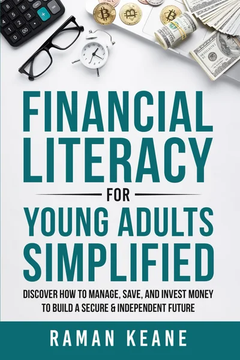
Raman Keane
Best for: Young adults — first-job earners, students, or recent graduates — who have no prior personal finance background and want a single, accessible starting point covering budgeting, saving, investing, cryptocurrency basics, and income diversification.
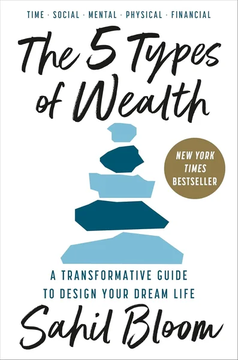
Sahil Bloom
Best for: Readers in their twenties or thirties who have been chasing conventional financial success and are starting to question whether it's actually delivering the life they want — particularly those who respond to narrative-driven, systems-style self-help over academic theory.
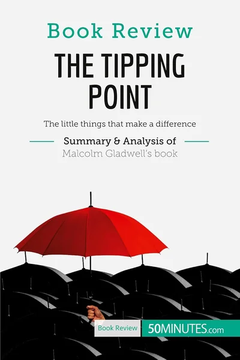
. 50Minutes.Com
Best for: Time-pressed readers — students, marketers, or curious generalists — who want a structured, balanced overview of Gladwell's Tipping Point framework without committing to the full original book.
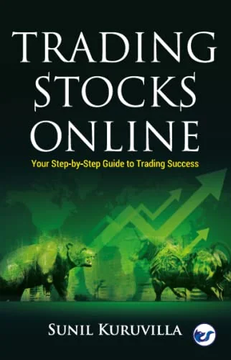
Sunil Kuruvilla
Best for: First-time retail investors in India who want a compact, platform-agnostic introduction to the mechanics of buying and selling stocks online before opening their first brokerage account.
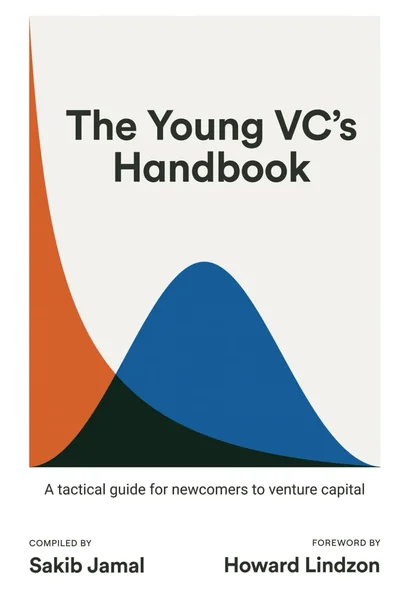
Sakib Jamal
Best for: Early-career venture capital professionals — analysts, associates, and aspiring investors — who need a structured, practitioner-built introduction to how the industry actually operates day to day, rather than a conceptual or founder-facing survey of the asset class.
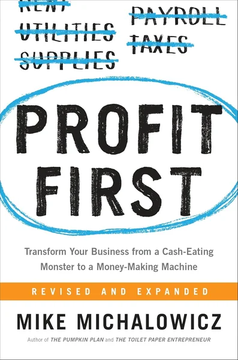
Mike Michalowicz
Best for: Small-business owners and entrepreneurs who are generating revenue but consistently ending up cash-poor — and want a behaviorally grounded, step-by-step system to build profitability from day one.
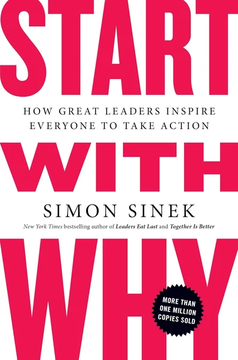
Simon Sinek
Best for: Managers, executives, and sales or marketing professionals who are new to purpose-driven leadership ideas and want a single, memorable conceptual framework — the Golden Circle — to introduce across a team or use to reorient how they present their work to clients.
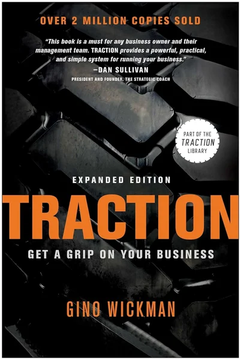
Gino Wickman
Best for: Founders and leadership teams of small to mid-sized entrepreneurial companies who want a single, integrated operational framework — not abstract theory — to align vision, people, and execution across their organisation.
James Sinclair
Best for: Early-stage founders — whether on company one or company five — who are pre-product and pre-revenue, serious about execution, and want a structured, validation-first process rather than startup motivation or inspiration.
Kevin Shawen, Marco Elisei
Best for: Aspiring writers with no prior publishing experience who want a concise, habit-driven entry point into self-publishing and passive income on digital platforms like Amazon.
Josh Kaufman
Best for: Aspiring entrepreneurs, career-changers, and curious generalists — including Hindi-language readers — who want a single integrated command of business fundamentals across every major domain without enrolling in a formal MBA programme.
Kevin St.Clergy
Best for: Entrepreneurs and business owners who feel persistently stuck despite genuine effort and sound strategy, and suspect the real issue may be that they're solving the wrong problem rather than the right one badly.
Kevin Cover
Best for: Practicing managers and emerging team leaders who want a concise, structured framework for building a repeatable leadership system rather than a survey of leadership theory.
David Hampson
Best for: Aspiring entrepreneurs and early-stage small business owners who feel alienated by the startup world's obsession with speed and quick exits, and who want a grounded, experience-led perspective from someone who built across radically different industries and geographies.
Patrick M. Lencioni
Best for: Senior leaders, executives, and managers who are responsible for shaping organizational culture and performance at a systemic level and want a single, unified framework that consolidates Lencioni's thinking on team cohesion, clarity, and alignment.

D.S. Marsh
Best for: Readers drawn to literary nonfiction who want to encounter themes of leadership, influence, and character through human narrative rather than business frameworks or self-help rubrics — particularly those interested in overlooked, quietly consequential lives.
Mike Weinberg
Best for: Sales managers and executives — whether newly promoted or experienced and sensing something is off — who want a blunt, case-study-driven diagnosis of why their sales organisation is underperforming and a concrete framework to fix it.

Heather Choate
Best for: Budget-conscious home cooks who want a structured, follow-this program — not a browsable collection — combining high-protein, low-carb eating with a hard $7/day cost ceiling and quick weeknight-friendly recipes.
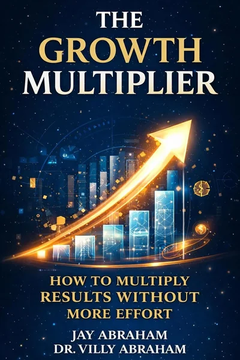
Jay Abraham, Villy Abraham
Best for: Entrepreneurs, CEOs, and business leaders who want a substantive, framework-driven guide to scaling results through leverage, trust, and behavioral strategy — without simply working harder or spending more.
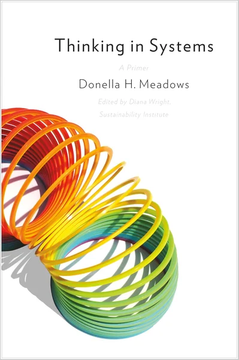
Donella H. Meadows
Best for: Curious non-specialists — whether in ecology, management, programming, or policy — who want a rigorous yet mathematically light conceptual framework for understanding why complex systems behave the way they do.
