Our reviews
32 business & economics books we've reviewed, each with who it's for, who should skip it and every source we used.
32 reviews match
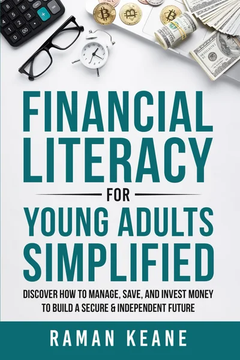
Raman Keane
Best for: Young adults — first-job earners, students, or recent graduates — who have no prior personal finance background and want a single, accessible starting point covering budgeting, saving, investing, cryptocurrency basics, and income diversification.
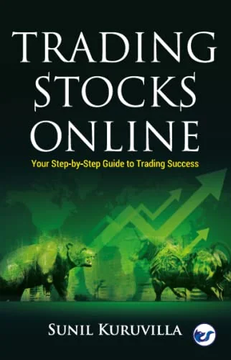
Sunil Kuruvilla
Best for: First-time retail investors in India who want a compact, platform-agnostic introduction to the mechanics of buying and selling stocks online before opening their first brokerage account.
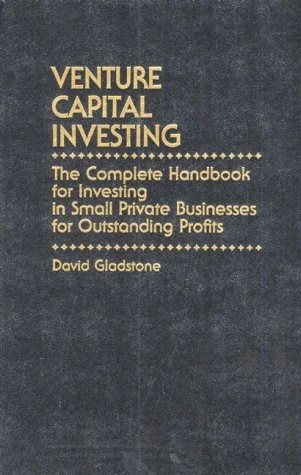
David Gladstone
Best for: Angel investors and early-stage VC professionals who want a structured, practitioner-built methodology for evaluating business proposals, assessing management teams, and making investment decisions — rather than a theoretical or founder-facing introduction to venture capital.
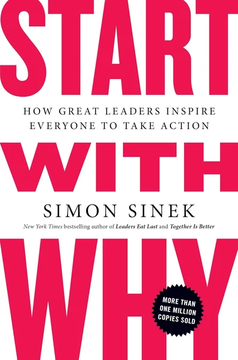
Simon Sinek
Best for: Managers, executives, and sales or marketing professionals who are new to purpose-driven leadership ideas and want a single, memorable conceptual framework — the Golden Circle — to introduce across a team or use to reorient how they present their work to clients.

Alexandra Deschamps-Sonsino
Best for: Product designers, R&D professionals, trends researchers, and IoT entrepreneurs who want a historically and culturally grounded framework for developing connected-home products — rather than another technical implementation guide.
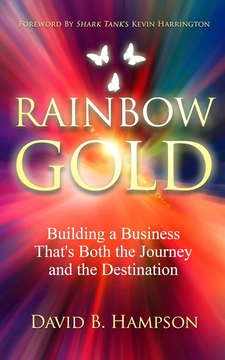
David Hampson
Best for: Aspiring entrepreneurs and early-stage small business owners who feel alienated by the startup world's obsession with speed and quick exits, and who want a grounded, experience-led perspective from someone who built across radically different industries and geographies.

D.S. Marsh
Best for: Readers drawn to literary nonfiction who want to encounter themes of leadership, influence, and character through human narrative rather than business frameworks or self-help rubrics — particularly those interested in overlooked, quietly consequential lives.
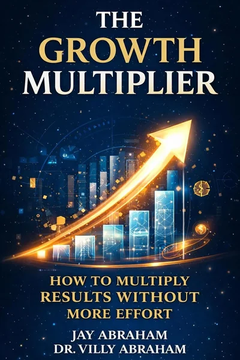
Jay Abraham, Villy Abraham
Best for: Entrepreneurs, CEOs, and business leaders who want a substantive, framework-driven guide to scaling results through leverage, trust, and behavioral strategy — without simply working harder or spending more.
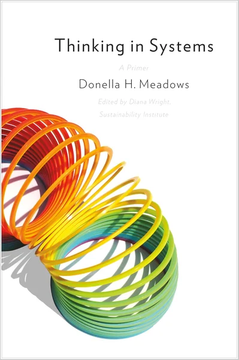
Donella H. Meadows
Best for: Curious non-specialists — whether in ecology, management, programming, or policy — who want a rigorous yet mathematically light conceptual framework for understanding why complex systems behave the way they do.
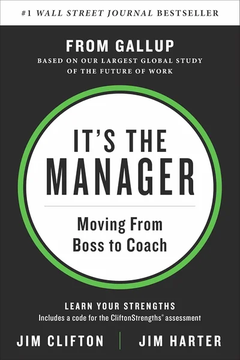
Jim Clifton, Jim Harter
Best for: HR leaders, managers navigating multigenerational teams, and executives driving cultural change who want a data-backed case for shifting from directive management to a strengths-based coaching model.
Shaina Loerzel
Best for: Readers new to Warren Buffett's story who want a concise, values-centred introduction that connects his investment decisions to the personal principles — patience, frugality, and long-term thinking — that shaped them.
Tyler Mitchell
Best for: Sales professionals and leaders operating in complex B2B or enterprise environments — particularly those managing multi-stakeholder deals who want a structured, framework-driven approach to strategic understanding rather than a collection of transactional tactics.
Kim Scott
Best for: Managers and team leads — especially those stepping into leadership roles for the first time — who want a concrete, nameable framework for giving and receiving honest feedback without sacrificing genuine care for the people they lead.
Joe Dominguez, Vicki Robin
Best for: Readers who suspect their earning and spending habits are out of step with what they genuinely value, and who want a structured, philosophically grounded nine-step framework — not just tactical tips — for diagnosing and reshaping their relationship with money.
Burton G. Malkiel
Best for: Investors at any stage — from first 401(k) to retirement — who want a rigorous, data-driven case for passive index-fund investing grounded in fifty years of academic research rather than market-beating tips.
Brené Brown
Best for: Readers who feel held back by shame, fear of failure, or the urge to self-protect, and who want a research-backed, accessible framework for understanding vulnerability across their relationships, work, and parenting life.
Benjamin Graham
Best for: Individual investors who want a principled, long-horizon framework for selecting undervalued stocks and are willing to engage with financial metrics like earnings ratios, dividend criteria, and asset values — particularly those drawn to the philosophical foundation of value investing rather than tactical, short-term trading guidance.
Mel Lindauer, Taylor Larimore, Michael LeBoeuf
Best for: Self-directed investors at any stage who want a philosophy-first, jargon-light framework for building long-term wealth through low-cost index funds — especially those new to Boglehead principles looking for the movement's canonical starting point.
Nassim Nicholas Taleb
Best for: Readers in finance, risk management, or policy who want a rigorous yet readable challenge to conventional prediction-based thinking and expert overconfidence.
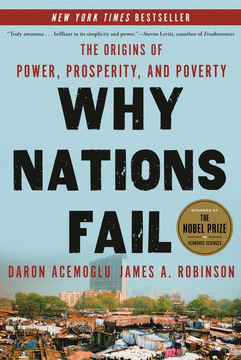
Daron Acemoglu and James A. Robinson
Best for: Readers with an interest in political economy, history, or development who want a sweeping, accessibly written argument — grounded in fifteen years of original research — for why institutions, not geography or culture, determine whether nations prosper or fail.
J.L. Collins
Best for: Readers who feel overwhelmed or misled by the financial industry and want a clear, evidence-grounded starting point for building long-term wealth through index fund investing and financial independence principles.
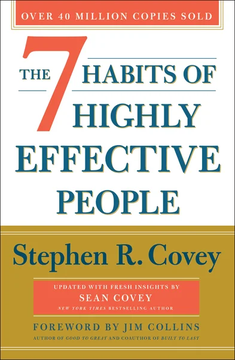
Stephen R. Covey
Best for: Professionals, managers, or motivated self-improvers who want a cohesive, principle-grounded framework for personal and interpersonal effectiveness — and are willing to invest patience in a dense, philosophically serious read rather than a quick-fix checklist.
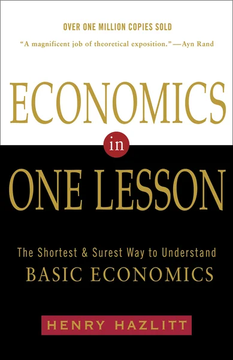
Henry Hazlitt
Best for: Curious general readers with no economics background who want a concise, principle-driven introduction to free-market thinking and a reusable framework for evaluating economic policy claims.
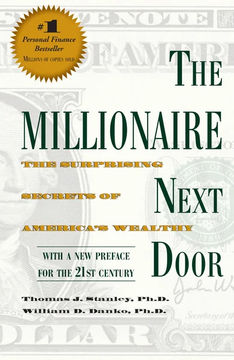
Thomas J. Stanley and William D. Danko
Best for: Readers new to personal finance who want to engage with the foundational, research-backed text behind the "live below your means" argument — rather than one of its many derivative summaries — and who are ready to apply the PAW/UAW self-diagnostic framework to their own financial situation.
