
9 min read
4.4
· 4,610 Amazon ratingsShare This Review

Our review
SuperFreakonomics
SuperFreakonomics by Steven D. Levitt & Stephen J. Dubner Review: A Clever but Uneven Sequel
SuperFreakonomics is the second non-fiction book by University of Chicago economist Steven Levitt and New York Times journalist Stephen J. Dubner, applying microeconomic thinking to subjects ranging from Chicago street prostitution to geoengineering fixes for climate change. It is a worthy companion to the blockbuster original Freakonomics, though one that critics found harder to surprise.
LuvemBooks Verdict
Best for
General-interest readers curious about how economic logic and incentive-based thinking illuminate everyday human behaviour, who want an accessible, anecdote-driven introduction to popular microeconomics and don't mind that some chapters are more rigorous than others.
Worth it if
Worth reading if you are new to Levitt and Dubner's contrarian-data approach and want an entertaining, no-maths-required tour through topics from Chicago street prostitution to geoengineering, particularly for the disciplined chapters on altruism and unintended consequences.
Skip if
Skip it if you loved the original Freakonomics and are expecting an equally revelatory central argument — or if you plan to take the climate-change chapter at face value, given the serious factual challenges it drew from domain experts.
What readers & critics say
The Guardian concluded that Levitt and Dubner "try too hard to be edgy in their follow-up," finding the book dated and lacking anything as painstaking or revelatory as the original's abortion-crime thesis. Kirkus Reviews, by contrast, called it "jaunty, entertaining and smart," crediting the authors with making economics genuinely compelling for a general audience, while The Globe and Mail noted that unlike the first book, much of the underlying research is not Levitt's own — a structural weakness that shows.
“Levitt and Dubner try too hard to be edgy — the impression is of authors straining for effect rather than coming up with any particularly original insights.”
— The Guardian“Jaunty, entertaining and smart — Levitt and Dubner do a good service by making economics accessible, even compelling.”
— Kirkus Reviews“Their touch is much lighter than Gladwell's and they take an enormous relish in absurdity — though this might get wearying.”
— The TelegraphAsk LuvemBooks
Was this helpful?
- Is it worth reading?
- SuperFreakonomics is a worthwhile read for general-interest readers who enjoy seeing economic logic applied to unexpected subjects — Dubner's narrative craft keeps complex ideas as propulsive as detective fiction, and the altruism and unintended-consequences chapters represent the authors at their most disciplined. The key caveat is that The Guardian judged the book as trying too hard to be edgy, concluding it contains nothing as painstaking or revelatory as the original's abortion-crime argument; and by its 2009 release, a wave of imitators had dulled the novelty of the contrarian-data format. Readers who are new to Levitt and Dubner will get more out of it than those arriving directly from Freakonomics.
- Similar books
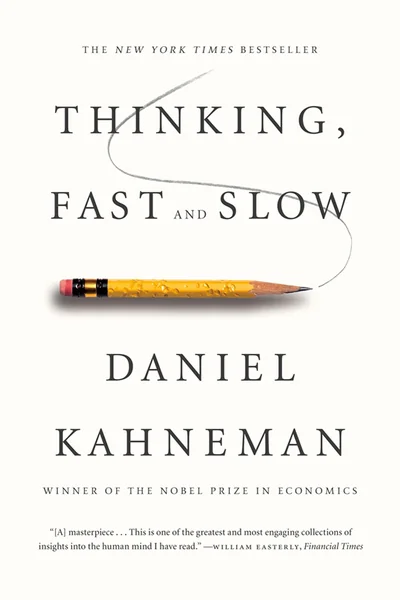
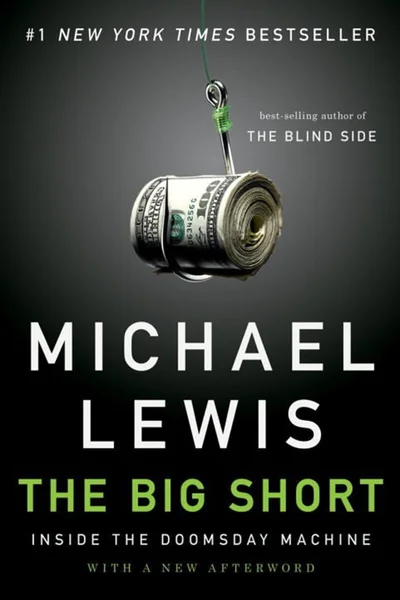
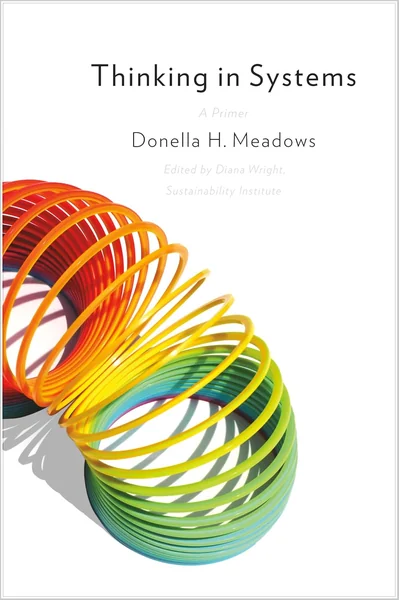
- Readers who enjoy SuperFreakonomics will find natural companions in the curated selections below. The original Freakonomics by Levitt and Dubner is the obvious starting point — it introduced the abortion-crime thesis and the contrarian-data framework that SuperFreakonomics builds on. Daniel Kahneman's Thinking, Fast and Slow covers decision-making and cognitive bias with greater academic rigour, while Nassim Nicholas Taleb's The Black Swan examines how improbable events drive outcomes in ways that complement Levitt's incentive-based lens. Michael Lewis's The Big Short applies similarly narrative-driven economic analysis to the 2008 financial crisis, and Donella H. Meadows' Thinking in Systems offers a more structural approach to understanding complex cause-and-effect — a useful counterpoint to the chapter-by-chapter case-study format Levitt and Dubner favour.
- Who should read this?
- SuperFreakonomics is aimed squarely at general-interest adult readers who are curious about how economic logic illuminates everyday behaviour — no technical background in economics or statistics is required. It suits readers who enjoyed Freakonomics and want more of the same format, as well as newcomers who are attracted to the contrarian-data style popularised by Levitt and Dubner. Readers who come to the book expecting insights as groundbreaking as the original, or who want a reliable and expert-endorsed account of climate science, may find certain chapters disappointing.
- How does it compare to Freakonomics?
- SuperFreakonomics uses the same core formula — take a counterintuitive question, assemble surprising data, follow the incentives — but critics found it unable to match the original's landmark achievement. Freakonomics sold four million copies across 35 countries and was credited with making economics genuinely exciting for general readers, anchored by Levitt's argument that the legalisation of abortion in the early 1970s drove the crime drop of the 1990s. SuperFreakonomics arrives carrying both that brand recognition and the pressure of following an unusually high watermark; The Guardian's verdict that the sequel is 'so 2005' neatly captures the timing problem, as a wave of imitators had already diluted the novelty of the contrarian-data format by the time it was published in 2009.
- What are the main themes?
- The book's central through-line is the idea that incentives drive human behaviour in virtually every context — from the economics of street prostitution and high-end escorts in Chicago to the altruism decisions studied by economist John A. List. Related themes include the law of unintended consequences (illustrated by Ignaz Semmelweis's hand-washing discoveries and the comparative safety of child car seats versus seatbelts), the value of cheap and simple fixes over complex interventions, and the dangers of received wisdom — a thread that runs from Malcolm Gladwell's 'broken windows' thesis in Freakonomics to the geoengineering debate in chapter five.
- Where should I start with Levitt and Dubner?
- For most readers, Freakonomics is the natural starting point — it introduced the incentive-based framework, sold four million copies across 35 countries, and contains the abortion-crime thesis that critics still regard as the franchise's most painstaking and revelatory argument. SuperFreakonomics works well as a follow-up once you have the original's context, though it is also fully self-contained for those who want to start here. LuvemBooks has reviewed both books.
Summarize this book
Follow up
Synthesized from verified book data & published reviews · How we review
What would you like to know about SuperFreakonomics?
Answers come from our editorial notes on this book. If we haven't covered something, we'll say so.
Readers often ask
Our Review
What SuperFreakonomics Actually Is
Its Place in the Freakonomics Tradition
What the Book Does Well
A Sequel Straining for Effect
The Climate Chapter and Its Controversies
Who Should Read It
Sources & Further Reading
The key facts and claims in this review are grounded in the retrieved, verified sources listed below.
- Cited in this review
- 1
en.wikipedia.org
- 2
freakonomics.com
- 3
- Further reading
- 4
booksamillion.com
- 5
- 6
lifeclub.org
- 7
- 8
- 9
- 10
sites.google.com
- 11
Age & Reading Level
Recommended age
Adult
1 content note · who it suits
Content to know about
Skip if you want an authoritative and expert-endorsed account of climate science — the book's fifth chapter drew serious factual challenges from domain experts including Elizabeth Kolbert, Joseph Romm, and physicist Raymond Pierrehumbert.
Reader reviews
Be one of the first readers to answer.
Read it? Was it right for you?
Books like SuperFreakonomics
Curated picks for readers who enjoyed SuperFreakonomics, with our reasoning for each match.

More by Steven D. Levitt, Stephen J. Dubner

If you liked SuperFreakonomics