Our reviews
1,017 books, each with who it's for, who should skip it, reading level and content notes, and every source we used.
216 reviews match
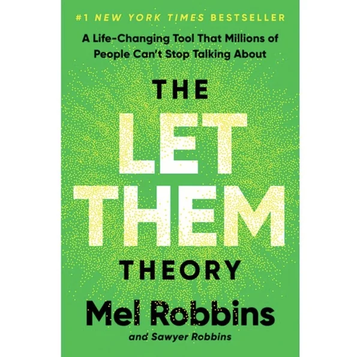
Mel Robbins
Best for: Readers new to self-help or to Robbins's work who want a memorable, immediately applicable framework for releasing anxiety about other people's choices and reclaiming focus on their own next move.
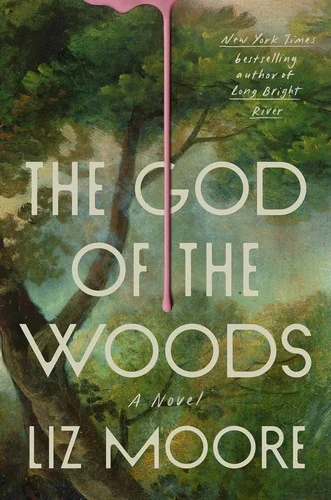
Liz Moore
Best for: Readers who want their crime fiction to carry the weight of a family saga and social novel — particularly those drawn to multi-timeline, ensemble-cast stories where class dynamics, parental failure, and community trauma matter as much as the mystery itself.
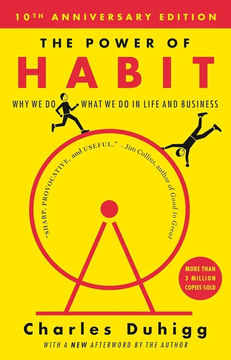
Charles Duhigg
Best for: Curious, analytically minded readers—whether individuals seeking to understand their own behaviour, managers looking to reshape team culture, or business students—who want a research-grounded, narrative-driven framework for understanding how habits operate at every level of human life.
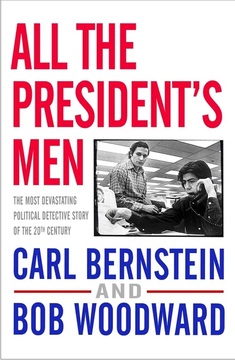
Bob Woodward, Carl Bernstein
Best for: Readers fascinated by investigative journalism, press freedom, or political history who want an inside-out account of how Woodward and Bernstein built the Watergate case source by source — told with the propulsive momentum of a procedural thriller.
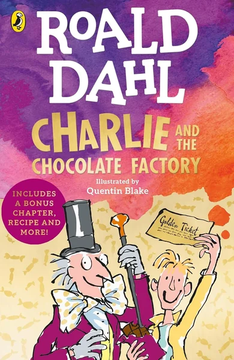
Roald Dahl
Best for: Children aged eight and up — and the adults reading aloud to them — who want a propulsive, consequence-driven story that rewards good behaviour without sugarcoating the outcomes for those who misbehave.
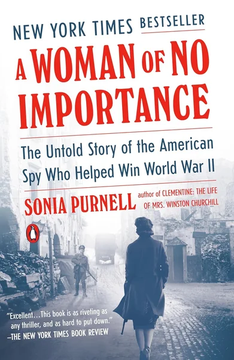
Sonia Purnell
Best for: Readers of narrative nonfiction and WWII history who want a rigorously sourced, argument-driven biography that restores a systematically overlooked operative — Virginia Hall — to her rightful place in the front rank of the war's protagonists.

Maurice Walsh
Best for: Readers who love classic Irish adventure romance — particularly those already fond of Maurice Walsh or drawn to outlaw-on-the-run plots steeped in Gaelic atmosphere, horse fairs, and open-road wandering.
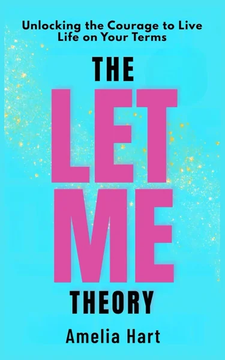
Amelia Hart
Best for: Readers who recognise a chronic pattern of deference, people-pleasing, or filtering choices through others' expectations, and want a structured, coaching-style framework — rather than a motivational pep talk — to move toward greater self-permission and boundary-setting.
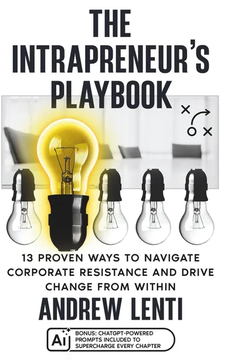
Andrew Lenti
Best for: Mid-to-senior professionals — project leads, department heads, and internal change agents — already embedded in large or complex organizations who need actionable strategies for pushing innovation initiatives past institutional resistance.
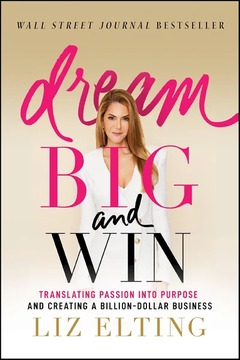
Liz Elting
Best for: Current and aspiring entrepreneurs, professionals weighing a founding leap, and business students who want a first-person, action-oriented account of scaling a company from an NYU dorm room to billion-dollar global enterprise.
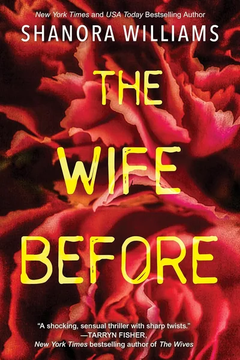
Shanora Williams
Best for: Readers who love emotionally intense, fast-moving domestic thrillers built around dark relationship dynamics, glamorous secrets, and genuinely shocking twists — particularly fans of Colleen Hoover's Verity looking for their next obsession.
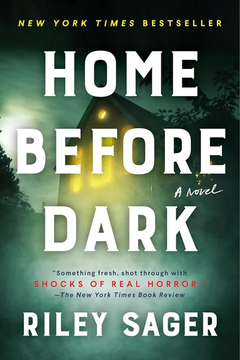
Riley Sager
Best for: Fans of atmospheric psychological horror — particularly readers who enjoy a strong mystery puzzle layered beneath the scares, and who relish haunted-house stories in the tradition of The Amityville Horror and The Haunting of Hill House.
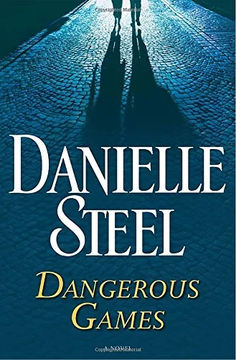
Danielle Steel
Best for: Readers who want a fast-moving, dual-genre story that pairs a political corruption investigation with a slow-burn romance, and who are happy to trade procedural depth for narrative velocity and international scope.
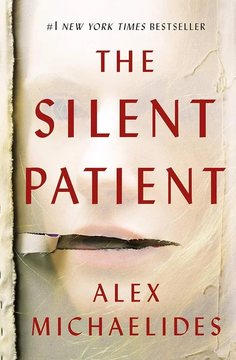
Alex Michaelides
Best for: Readers who love tightly engineered psychological thrillers with a dual narrative structure, a locked-room mystery built around a single electrifying silence, and a climactic twist designed to reframe everything that came before.
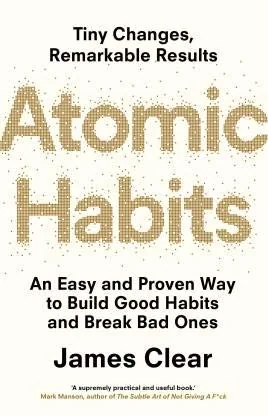
James Clear
Best for: Readers who want a single, repeatable framework for building good habits and breaking bad ones — particularly those who have tried willpower-based approaches and found them unsustainable.
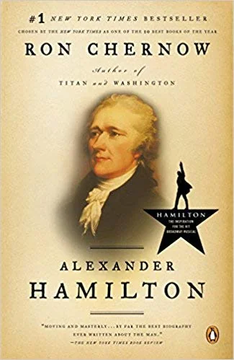
Ron Chernow
Best for: Readers — whether students of American history, fans of the Broadway musical seeking the primary source, or anyone curious about how the United States' financial and governmental architecture came to be — who want the most comprehensive, rigorously researched account of Hamilton's life and era available.
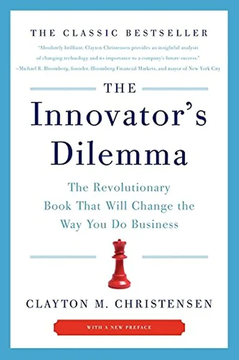
Clayton M. Christensen
Best for: Managers at established companies and entrepreneurs in strategy or leadership roles who need a rigorous conceptual framework for understanding why dominant firms are structurally vulnerable to disruption — and how challengers can exploit that vulnerability.
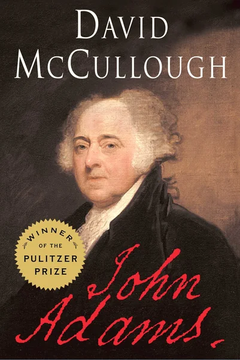
David McCullough
Best for: General readers drawn to American history, presidential biography, or the founding era who want a narrative-driven, emotionally rich full-life account of a long-underappreciated Founding Father.
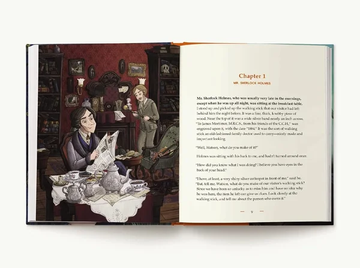
Arthur Conan Doyle
Best for: Young mystery lovers aged 8–11 who are ready for genuine suspense and puzzle-driven plotting but are not yet equipped — or not yet motivated — to tackle unabridged Victorian prose, and for parents or teachers wanting to introduce Sherlock Holmes in a structured, illustrated chapter-book format.
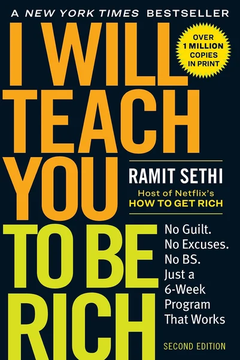
Ramit Sethi
Best for: Young adults who are new to managing money and want a structured, action-oriented program that builds an automated financial system from the ground up — with minimal prior knowledge required.
Ransom Riggs
Best for: YA readers drawn to atmosphere and formal novelty — particularly those who respond to eerie visual storytelling and are happy to let world-building and a genuinely original conceit carry the weight of the narrative.
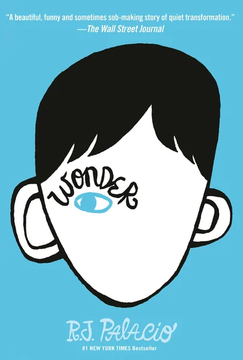
R. J. Palacio
Best for: Middle-grade readers aged nine to eleven — and the parents, teachers, or book-club facilitators who want a classroom-ready novel that opens honest conversations about difference, belonging, and the cost of cruelty.
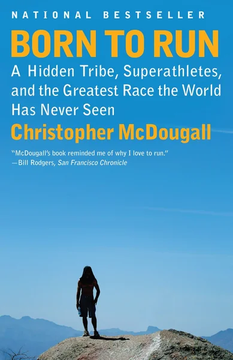
Christopher McDougall
Best for: Runners and non-runners alike who are drawn to adventure-driven narrative non-fiction and want an accessible, energetic introduction to the worlds of ultramarathoning, minimalist footwear, and evolutionary running science.
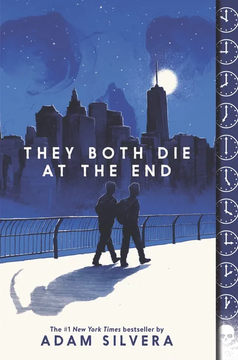
Adam Silvera
Best for: Readers aged 13 and up who want a character-driven YA romance that uses a high-concept speculative premise — a company that predicts the day you'll die — as a vehicle for emotionally precise exploration of mortality, identity, and LGBTQ+ love.
