BOOKS
Published

Read Time

9 min read

Reader rating

4.3

· 26 Amazon ratings
reader ratings, not a LuvemBooks score
Curated & edited by

LuvemBooks Editorial

How we create our reviews →
Share This Review

Sherlock Holmes: The Hound of the Baskervilles – Kid Classics by Arthur Conan Doyle Review: A Worthy Gateway to Classic Detective Fiction

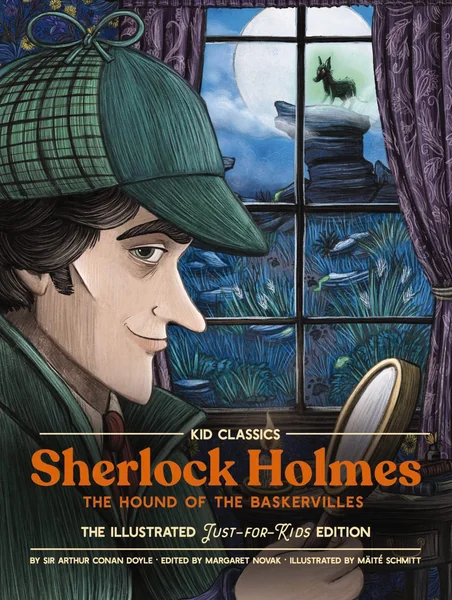
This illustrated chapter storybook from Applesauce Press's Kid Classics series adapts Arthur Conan Doyle's iconic mystery for readers ages 8 and up, abridged and retold by editor Margaret Novak while remaining true to Doyle's original text, with illustrations by Maïté Schmitt — making one of literature's most celebrated detective stories genuinely accessible to a new generation.
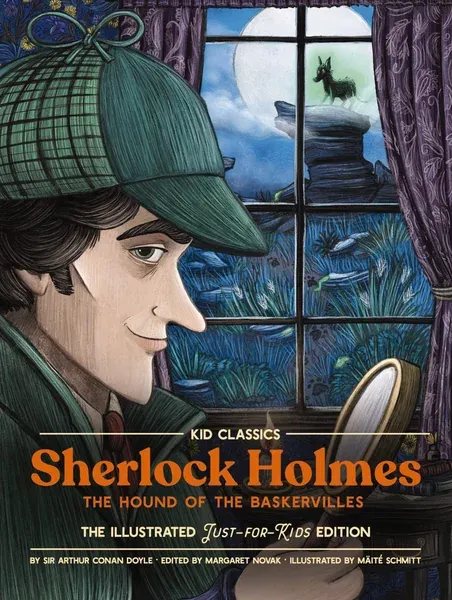
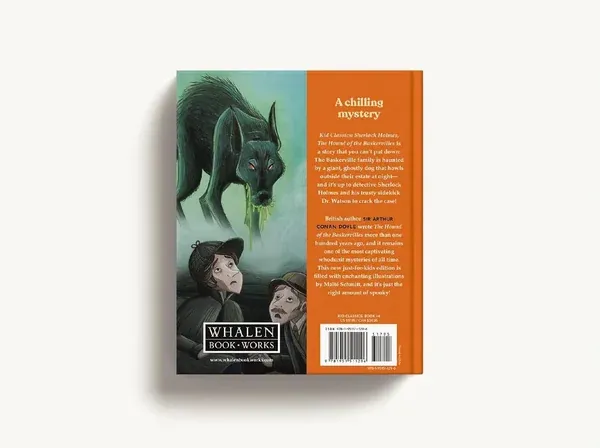
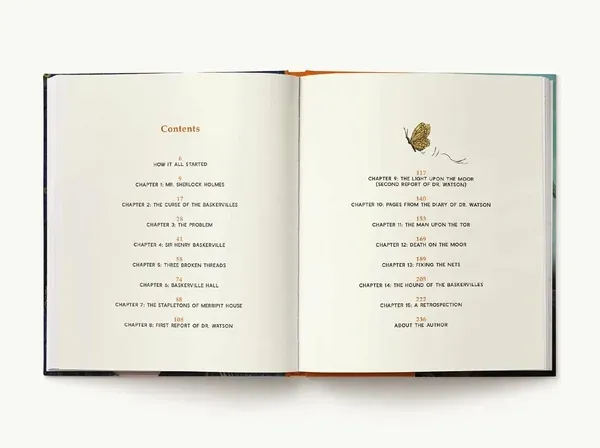
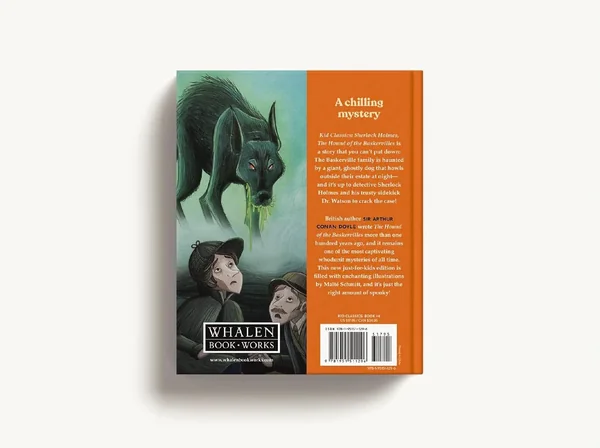
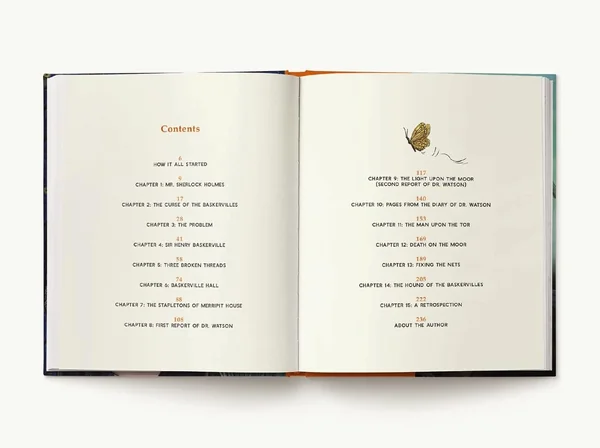
Sherlock Holmes (The Hound of the Baskervilles) - Kid Classics: The Classic Edition Reimagined Just-for-Kids! (4) by Arthur Conan Doyle front coverBack cover featuring synopsis, a hound illustration, two figures, and publisher branding.Contents page listing fourteen chapters with decorative botanical illustration in the upper right corner.Tap to enlarge

LuvemBooks Verdict

Best for

Young mystery lovers aged 8–11 who are ready for genuine suspense and puzzle-driven plotting but are not yet equipped — or not yet motivated — to tackle unabridged Victorian prose, and for parents or teachers wanting to introduce Sherlock Holmes in a structured, illustrated chapter-book format.

Worth it if

The reader is a curious 8-to-11-year-old who loves mystery and wants a first, properly scaffolded encounter with Holmes and Watson — or a caregiver looking for a bridge title that can be shared across generations before the unabridged original becomes accessible.

Skip if

Readers who want the full complexity of Doyle's plotting, or those expecting the pacey prose of contemporary middle-grade fiction, will find this abridgment a reduced experience and should seek out the unabridged text directly.

The Guardian's young reader reviewer of the original Doyle found the story "gripping with a good sense of mystery" but noted the Victorian language is formal, at times slow-moving, and best suited to confident readers from around age 11 — context that gives the Kid Classics abridgment real purpose for its younger target range. Wikipedia's entry on the source novel underscores its canonical weight, noting it is "one of the most famous stories ever written" and ranked by Sherlockians as the best of the four Holmes novels, lending meaningful cultural authority to any edition that brings it to new readers.

The story was very good; gripping with a good sense of mystery — I could see that modern kids books share the same basic plot structure.

The Guardian

The language was very formal; at times I found the writing a bit slow moving — but Sherlock Holmes is a fascinating character.

The Guardian
Sources: The Guardian, Wikipedia
4.3from 26 Amazon ratings— reader ratings, not a LuvemBooks score

Look inside the book

Preview the actual pages, via Google Books
In This Review
  • What Works & What Doesn't
  • What This Book Is and What It Contains
  • The Significance of the Source Material
  • What the Adaptation Is Designed to Do Well
  • Genuine Limitations to Consider
  • Who This Book Is genuinely For

What Works & What Doesn't

What Works
  • Abridged and retold to be accessible to ages 8 and up while, per the publisher, remaining true to Doyle's original text
  • Introduces Sherlock Holmes and Dr. Watson — among literature's most enduring characters — to readers encountering them for the first time
  • Illustrations by Maïté Schmitt accompany the text, providing visual support for the atmospheric Dartmoor setting
  • Structured as an illustrated chapter storybook, making a complex Victorian mystery navigable for grades 4–7
  • Part of the broader Kid Classics series, giving young readers a consistent, trusted format for approaching other canonical titles
What Doesn't
  • As an abridgment, it necessarily omits some of the complexity found in Doyle's full original text
  • Even a carefully retold adaptation of Doyle's formally structured, Victorian-era storytelling may still feel unhurried to readers accustomed to fast-paced contemporary middle-grade fiction
A purposeful, well-positioned adaptation that brings Doyle's Victorian gothic mystery within reach of young readers without discarding the story's essential drama or its famous detective.

What This Book Is and What It Contains

Back cover featuring synopsis, a hound illustration, two figures, and publisher branding.
The Kid Classics edition of The Hound of the Baskervilles is an abridged illustrated chapter storybook, not a novelization or a new work of fiction. It adapts Arthur Conan Doyle's original mystery novel — written more than a hundred years ago — for a young modern audience, with the stated aim of remaining true to Doyle's source text. The adaptation was prepared by editor Margaret Novak and is illustrated by Maïté Schmitt. Published by Applesauce Press in June 2022, it is the fourth entry in the Kid Classics series and is aimed at readers ages 8 and up, spanning grades 4 through 7.
just the right amount of thrilling
The story at its core follows Sherlock Holmes and his partner Dr. Watson as they investigate the curse said to haunt the Baskerville family — a giant, ghostly hound that glows eerily and howls outside the family's Devonshire estate. That Gothic premise, set against what Doyle's original describes as the "melancholy moor," forms the engine of the mystery, and the adaptation preserves it as the central conflict young readers are invited to solve alongside Holmes.

The Significance of the Source Material

Contents page listing fourteen chapters with decorative botanical illustration in the upper right corner.
The Hound of the Baskervilles holds a foundational place in detective fiction. As a young reader reviewing the original for The Guardian noted, Sherlock Holmes stories were among the first detective novels written, and their basic plot structures have echoed through children's mystery books ever since. Holmes himself — intelligent, unpredictable, a master of deductive reasoning — remains one of the most recognizable characters in all of English literature, and this Kid Classics entry gives readers aged 8 and up their first structured encounter with him in chapter-book form. That cultural weight makes the adaptation's existence meaningful: rather than asking younger readers to wait until they can wrestle with Victorian prose, the Kid Classics series brings the story to them at an age when mystery and suspense can genuinely ignite a lifelong reading habit.

What the Adaptation Is Designed to Do Well

The edition is specifically designed as an on-ramp to the original. Publisher descriptions across multiple retail channels emphasize that the retelling is abridged for accessibility while remaining true to Doyle's text — a balance that distinguishes it from retellings that freely reimagine the story. The chapter storybook format structures the mystery in digestible sections, and Maïté Schmitt's illustrations accompany the text throughout, giving visual support to the atmospheric Dartmoor setting and its supernatural menace. The publisher positions the book as delivering the mystery at "just the right amount of thrilling" — calibrated for younger sensibilities without evacuating the tension that makes the story compelling.
For readers who have never encountered Holmes, the adaptation also serves as an introduction to one of fiction's most durable character archetypes: the analytical detective who reasons where others merely react. That introduction, scaffolded by an editorial hand and visual storytelling, is precisely what the Kid Classics format is designed to provide.

Genuine Limitations to Consider

Any adaptation of this kind involves trade-offs, and the original source material itself presents a specific challenge worth naming. A Guardian young reader reviewing the unabridged Doyle noted that the language is formal, at times slow-moving, and demands real concentration — reflecting the Victorian register in which it was written. While the Kid Classics edition abridges and retells the story to ease that burden, readers and caregivers who expect the prose to read like contemporary middle-grade fiction may find that even a faithful adaptation carries traces of Doyle's more measured, unhurried storytelling rhythm. The same Guardian reviewer suggested the original works best for confident readers from about age 11; the Kid Classics edition targets a somewhat younger range, which means the adaptation's editorial choices bear meaningful weight in determining how smoothly the story lands for an 8- or 9-year-old.
It is also worth noting that as an abridgment, this edition is by definition a reduced version of the original. Readers who come to it hoping for the full complexity of Doyle's plotting will eventually need to seek out the unabridged text.

Who This Book Is genuinely For

The Kid Classics Hound of the Baskervilles sits at a clear and useful intersection: it is for young mystery lovers who are ready for a story with genuine suspense and a puzzle-driven plot, but who are not yet equipped — or not yet motivated — to take on unabridged Victorian fiction. It works equally well as a classroom introduction to the detective genre, a bridge title for a confident reader finishing early chapter books, or a shared read for a parent who wants to introduce Holmes in a form both generations can enjoy together. Readers who discover they love Holmes here have a clear and rewarding path forward: the original novels and stories await them as their reading stamina grows.

Sources & Further Reading

The key facts and claims in this review are grounded in the retrieved, verified sources listed below.

  1. Cited in this review
  2. 1
  3. 2
  4. 3
  5. 4
  6. Further reading
  7. 5

    Arthur Conan Doyle, Wikipedia

  8. 6