

8 min read
Share This Review
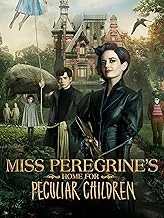
Miss Peregrine's Home for Peculiar Children by Ransom Riggs Review: A Visually Inventive YA Fantasy Debut
Ransom Riggs' 2011 debut novel blends found vintage photography with young adult contemporary fantasy to tell the story of Jacob Portman, a teenager drawn to a mysterious Welsh island after his grandfather's cryptic dying words — a structurally original premise that earned the book a place on the New York Times bestseller list and launched a six-book series.
LuvemBooks Verdict
Best for
YA readers drawn to atmosphere and formal novelty — particularly those who respond to eerie visual storytelling and are happy to let world-building and a genuinely original conceit carry the weight of the narrative.
Worth it if
You're willing to prioritise an inventive, photograph-driven aesthetic and a richly imagined time-loop world over tightly grounded character psychology.
Skip if
Skip it if you need a psychologically convincing, deeply interior protagonist — the recurring criticism that sixteen-year-old Jacob's behaviour strains credulity under duress is a real friction point for readers who prioritise character realism.
What readers & critics say
The Guardian-hosted reader commentary credits the book's eerie vintage photographs and time-frozen orphanage setting as genuinely original within YA fantasy, while Danvers Library's review offers the counterpoint that the novel is "good, but not great or exciting or altogether memorable," questioning whether the photograph-led structure limited organic plot development. Fantasy Book Review characterises it as "an original and sometimes strange book" that is also "beautiful," reflecting the broadly positive but nuanced critical picture.
“It is creepy in the best way possible — the old, creative, real pictures are what make it.”
— The Guardian (reader review)Age & Reading Level
Recommended age
Ages 12–18
Reading level
Young adult
2 content notes · who it suits
Content to know about
Best for: Ages 12+ — the story involves a grandfather's violent death, sustained psychological strain on a teenage protagonist, and horror antagonists; thematic and emotional weight suits confident readers 12 and above.
Skip if you want a psychologically realistic, interiority-driven YA protagonist — Jacob's characterisation under duress has drawn sustained criticism for lacking credibility.
Miss Peregrine's Home for Peculiar Children by Ransom Riggs is Trending
Miss Peregrine's Is Having a Moment on BookTok Right Now
Ransom Riggs' beloved 2011 YA fantasy is circulating again on TikTok's book community, with fans revisiting the creepy vintage photo-driven story. If you missed it the first time — or just want an excuse to reread — now's a great time to pick it up.
Miss Peregrine's Home for Peculiar Children is back in readers' conversations right now, largely thanks to BookTok. TikTok's book community has been sharing content around the series, with the #missperegrineshomeforpeculiarchildren tag drawing viewers into the world of Jacob Portman and the peculiar children. That kind of organic, fan-driven buzz has a way of pulling both newcomers and nostalgic rereaders back to a book at the same time.
It makes sense that this one keeps finding new audiences. The book's hook — vintage found photographs woven into the actual story — is genuinely unlike anything else in YA fantasy, and it translates really well to a visual platform like TikTok. Fans love showing off the eerie old photos Riggs collected and used as inspiration, which gives the book a built-in shareability that most novels just don't have.
If you're coming to it fresh, the good news is there's a full six-book series waiting for you once you're hooked. And if you watched Tim Burton's 2016 film adaptation and never got around to the books, readers generally agree the source material is worth your time.
In This Review
- What Works & What Doesn't
- What the Book Is and What It Contains
- The Found-Photography Conceit: Origin and Execution
- Commercial Reach and Cultural Footprint
- Strengths: Atmosphere, Setting, and Romantic Thread
- Limitations: Character Believability and Plot Execution
What Works & What Doesn't
What Works
- Genuinely original formal conceit: real found vintage photographs, sourced from collectors, are integrated directly into the narrative rather than used as decoration
- Rich, atmospheric setting — a time-locked 1940 orphanage on a fictional Welsh island — that reviewers credited as a standout element
- Reached No. 1 on the New York Times Children's Chapter Books list after 45 weeks, reflecting broad and sustained YA readership
- Launched a six-book series and a 2016 film adaptation, demonstrating lasting franchise appeal
- The romantic thread between Jacob and Emma was noted by some readers as an emotionally effective component of the story
What Doesn't
- Some readers find the plot execution uneven relative to the strength of the central concept, as noted in Guardian-hosted commentary
- Jacob's characterization has drawn criticism for lacking believability — some readers find his behaviour inconsistent with a credible sixteen-year-old under psychological duress
What the Book Is and What It Contains
The Found-Photography Conceit: Origin and Execution
Commercial Reach and Cultural Footprint
Strengths: Atmosphere, Setting, and Romantic Thread
Limitations: Character Believability and Plot Execution
Frequently Asked Questions
Sources & Further Reading
The key facts and claims in this review are grounded in the retrieved, verified sources listed below.
- Cited in this review
- 1
- 2
ransomriggs.com
- 3
en.wikipedia.org
- Further reading
- 4
Ransom Riggs, Wikipedia
- 5
en.wikipedia.org
- 6
- 7
- 8
- 9
- 10
- 11
Related Reviews
Reviews of books we picked for readers who enjoyed Miss Peregrine's Home for Peculiar Children.
Reader Comments
No comments yet
Be the first to share your thoughts!