Our reviews
1,017 books, each with who it's for, who should skip it, reading level and content notes, and every source we used.
233 reviews match
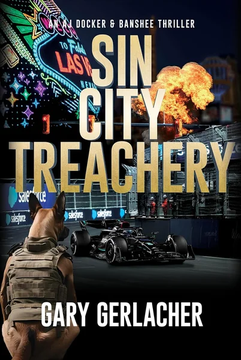
Gary Gerlacher
Best for: Readers who enjoy propulsive medical thrillers with procedural authenticity — especially fans of F1 racing, Las Vegas as a setting, or terrorism-based plots — and series followers who want to watch AJ Docker and Banshee grow across a maturing, darker-toned entry.
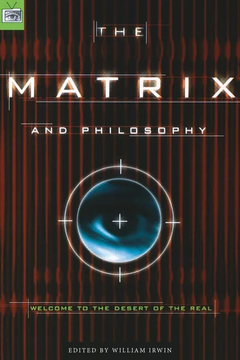
William Irwin
Best for: Philosophy-curious readers who want a rigorous, multi-perspective introduction to Western philosophical traditions — epistemology, metaphysics, ethics, existentialism — organised around a film they already know and care about.
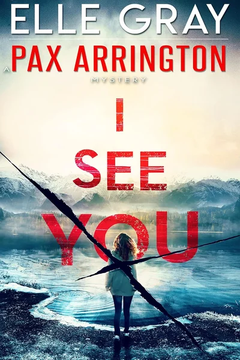
Elle Gray
Best for: Readers who enjoy fast-paced, character-anchored crime thrillers built around a recurring protagonist — particularly those who like binge-reading a complete series arc in one go and appreciate private-eye stories with a psychological, cat-and-mouse edge.
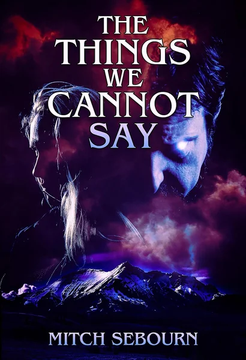
Mitch Sebourn
Best for: Horror fiction readers who came up on Stine-era genre paperbacks and want a lean, propulsive Kindle read from an emerging author with deep roots in the horror tradition.
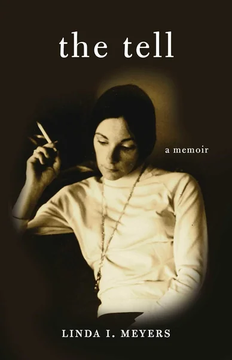
Linda I. Meyers
Best for: Readers drawn to Jewish-American family memoir and mid-twentieth-century social history — particularly those who appreciate non-linear, essay-based structures that build emotional truth gradually rather than driving toward a single narrative climax.
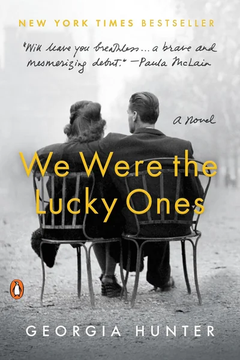
Georgia Hunter
Best for: Readers who love emotionally driven, research-anchored multi-generational wartime family epics — particularly book-club groups who want a sweeping, true-story-rooted Holocaust narrative spanning five continents.
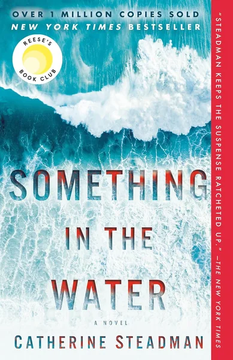
Catherine Steadman
Best for: Readers who love fast-paced domestic psychological thrillers — particularly fans of Ruth Ware, Paula Hawkins, or Gillian Flynn — and anyone looking for a morally charged book club pick with a genuinely debatable "what would you do?" premise at its centre.
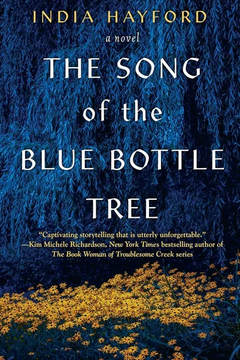
India Hayford
Best for: Readers who love literary Southern Gothic — particularly fans of Delia Owens or Barbara Kingsolver — and want a debut rooted in genuine place-knowledge, folk magic, and a protagonist whose entire life has been lived outside conventional belonging.
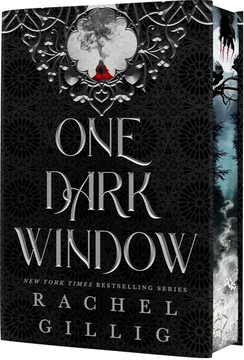
Rachel Gillig
Best for: Readers drawn to lushly gothic, atmosphere-first dark fantasy — especially those who loved Naomi Novik's Uprooted — who want a psychologically complex protagonist, a magic system with genuine moral weight, and a completed duology they can binge straight through to its conclusion.
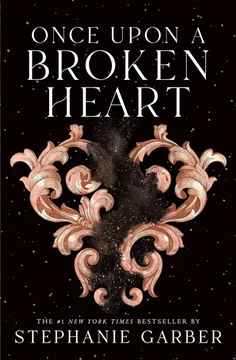
Stephanie Garber
Best for: Readers aged 13–18 who love dark fairytale romance, morally ambiguous supernatural figures, and emotionally driven heroines — whether they're already fans of the Caraval trilogy or looking for a compelling entry point into Garber's world.
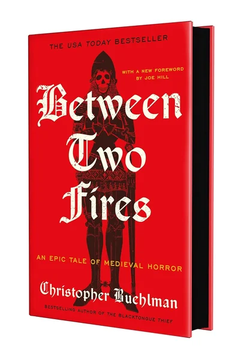
Christopher Buehlman
Best for: Readers of literary dark fiction who want medieval history treated as lived reality — Heaven, Hell, and the Black Death as cosmological fact — and who are drawn to flawed, disgraced protagonists navigating both human vengeance and cosmic warfare.
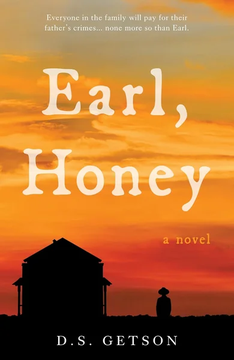
D S Getson
Best for: Readers drawn to Southern Gothic coming-of-age fiction who want a historically grounded story of family trauma, redemption, and moral weight — particularly those who respond to prose-driven narratives rooted in real events rather than genre invention.
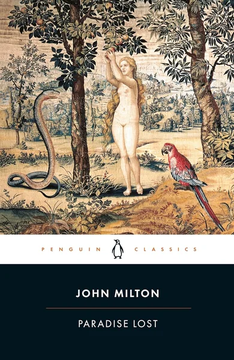
John Milton
Best for: Students, first-time readers seeking scholarly support, and returning readers who want to engage seriously with one of the greatest and most demanding poems in the English language — particularly in this Penguin Classics edition with John Leonard's editorial introduction and apparatus.
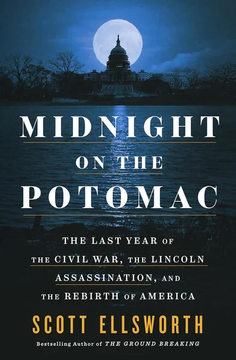
Scott Ellsworth
Best for: Broadly curious American history readers who want a single, fast-moving volume that covers the Civil War's final year through the lens of political crisis, espionage, racial transformation, and the assassination — rather than a purely battlefield-focused account.
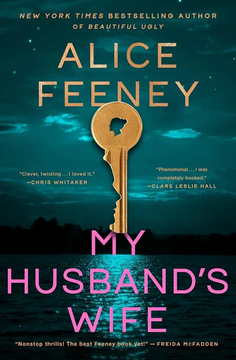
Alice Feeney
Best for: Fans of densely plotted psychological thrillers who enjoy unreliable narrators, multi-strand conspiracies, and are happy to be deliberately misled before a full-picture reveal — particularly readers who have enjoyed Feeney's earlier work or comparable authors like Freida McFadden.
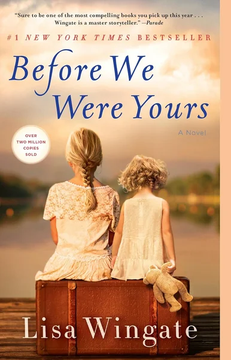
Lisa Wingate
Best for: Readers of historical fiction who are drawn to dual-timeline family sagas, investigative narratives, and stories rooted in real social injustice — particularly those who want their fiction to carry documented historical weight.
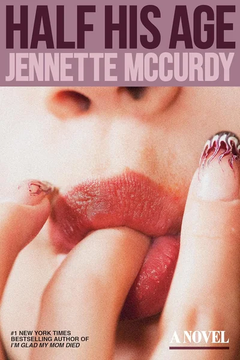
Jennette McCurdy
Best for: Readers drawn to female-interiority fiction built around rage, desire, and moral ambiguity — particularly fans of McCurdy's memoir I'm Glad My Mom Died who want to follow her into literary fiction on similarly uncomfortable emotional terrain.
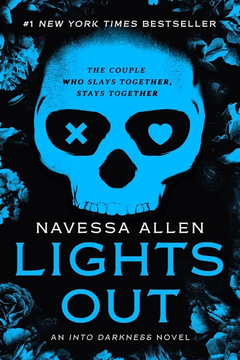
Navessa Allen
Best for: Readers already at home in the stalker-romance subgenre who want a series opener that pairs genuine heat and moral darkness with sharp comic relief and a thriller undercurrent.
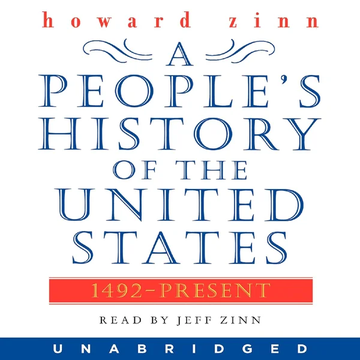
Howard Zinn
Best for: Readers drawn to bottom-up American history — labor movements, Indigenous perspectives, civil rights, and the tradition of political dissent — who want a foundational text that reoriented what counts as history and who counts as a historical subject.
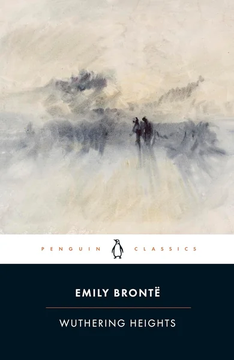
Emily Brontë, Pauline Nestor
Best for: Students, serious general readers, and anyone returning to Wuthering Heights who wants scholarly grounding — Pauline Nestor's introduction and Lucasta Miller's preface make this edition especially well-suited to academic and classroom contexts.
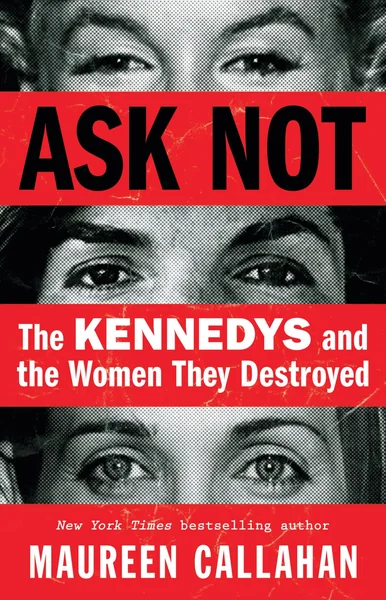
Maureen Callahan
Best for: Readers who want a multigenerational, investigative reckoning with the Kennedy men's treatment of women — centered on the victims rather than the dynasty's mythology.
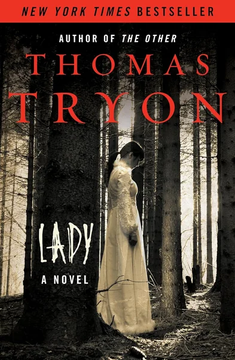
Thomas Tryon
Best for: Readers who love immersive 1930s American small-town atmosphere and character-driven storytelling, and who are willing to invest in a slow, patient build-up for a genuinely surprising and emotionally resonant payoff at the close.
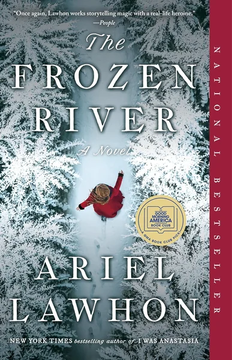
Ariel Lawhon
Best for: Readers drawn to women's history and early American life who want a historically grounded mystery anchored by a quietly formidable protagonist — particularly those who enjoy fiction built on real documented lives and legal-social stakes.
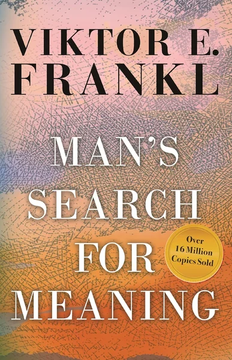
Viktor E. Frankl
Best for: Readers navigating personal crisis, grief, or existential uncertainty who want a serious, non-prescriptive framework for understanding suffering — and who are equally drawn to psychology, existential philosophy, and Holocaust testimony.
