Our reviews
1,017 books, each with who it's for, who should skip it, reading level and content notes, and every source we used.
152 reviews match
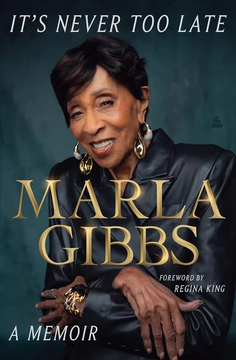
Marla Gibbs
Best for: Fans of classic-era Black television — particularly The Jeffersons and 227 — and anyone drawn to late-bloomer stories of persistence, who will find both the behind-the-scenes Hollywood history and Gibbs's unfiltered personal voice genuinely rewarding.
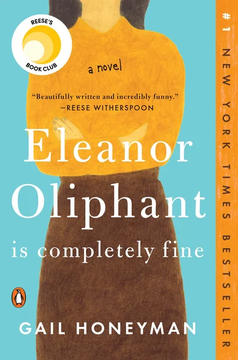
Gail Honeyman
Best for: Readers drawn to character-driven literary fiction who want emotional range — dark psychological depth wrapped in deadpan humour — and who respond to stories of found family and incremental healing.
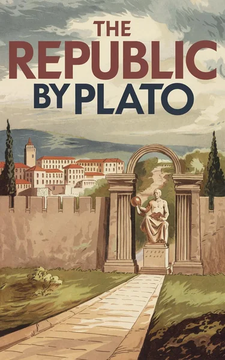
Plato
Best for: Curious general readers and students who want an accessible digital entry point into one of philosophy's foundational texts — particularly those drawn to enduring questions about justice, happiness, and how society should be ordered.
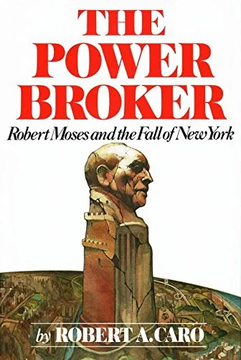
Robert A. Caro
Best for: Readers with a serious appetite for political history, urban studies, or biography who want to understand how institutional power is actually built and abused — and who are prepared to commit to a 1,280-page deep dive into twentieth-century American governance.
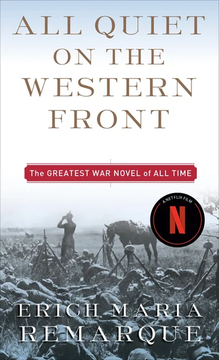
Erich Maria Remarque
Best for: Readers aged 15 and up — particularly those drawn to Hemingway-style war literature, students encountering it as assigned reading, or viewers of the 2022 Academy Award-winning film who want to experience the spare, first-person intimacy of Remarque's original source text.
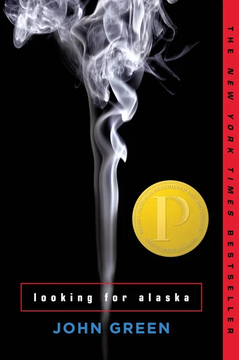
John Green
Best for: Readers aged 16 and up who want young adult fiction that takes adolescent grief, moral ambiguity, and philosophical inquiry as seriously as adult literary fiction — particularly those drawn to structurally inventive storytelling and John Green's wider body of work.
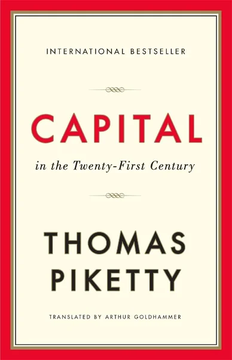
Thomas Piketty
Best for: Economists, historians, political scientists, policy professionals, and engaged general readers with a genuine tolerance for dense, data-heavy argumentation who want a rigorous, historically grounded account of wealth inequality and capitalism's long-run dynamics.
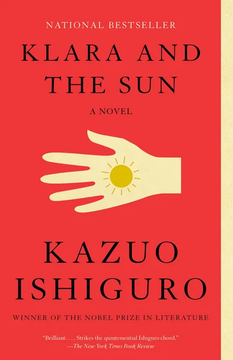
Kazuo Ishiguro
Best for: Readers who loved Never Let Me Go and are drawn to quiet, philosophically rich literary fiction that uses a speculative premise — here, an AI narrator — to explore mortality, love, and what it means to be human.
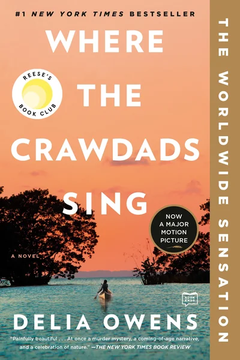
Delia Owens
Best for: Readers who love immersive sense-of-place fiction and want a cross-genre story that blends survival, romance, and courtroom mystery — especially those drawn to the natural world and emotionally resonant coming-of-age narratives.
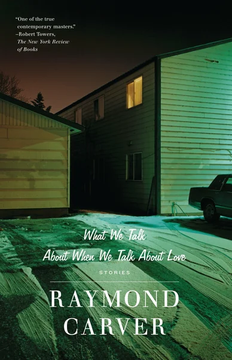
Raymond Carver
Best for: Readers already drawn to American literary minimalism, the working-class realist tradition, or Carver's wider body of work who want to engage with the collection that first established his reputation and remains a touchstone of the short story form.
Katherine Paterson
Best for: Readers aged nine and up — particularly those drawn to character-driven stories about friendship, imagination, and emotional resilience — who are ready to encounter a frank, deeply felt treatment of childhood grief and loss.
V.E. Schwab
Best for: Readers who love lyrical, emotionally patient fantasy — particularly fans of The Time Traveler's Wife or Life After Life — who are drawn to a centuries-spanning premise that doubles as a meditation on women's erasure from history.
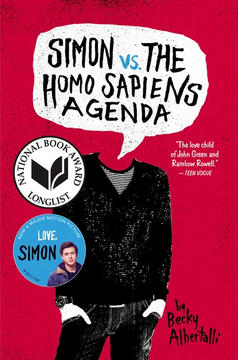
Becky Albertalli
Best for: Young adult readers aged fourteen and up who are navigating questions of identity, disclosure, and belonging — particularly those who want an LGBTQ+ coming-of-age story that treats sexuality as one dimension of a fully drawn teenager's life rather than a problem to be solved.
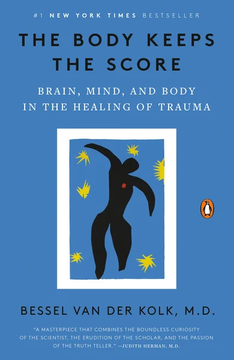
Bessel van der Kolk
Best for: Readers — whether lay or clinical — seeking an accessible, narrative-driven introduction to the idea that trauma reshapes the body and brain, and who want a broad survey of treatment approaches including EMDR, yoga, and limbic system therapy.
William L. Shirer
Best for: General readers seeking a single, comprehensive, deeply primary-sourced narrative of the Nazi era — particularly those coming to the subject without a background in professional historiography.
Edward S. Herman and Noam Chomsky
Best for: Serious readers of political economy, media studies, or journalism who want a rigorous, evidence-grounded framework for understanding how corporate and state interests structurally shape mainstream news coverage.
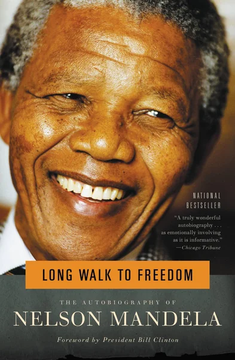
Nelson Mandela
Best for: Readers drawn to political memoir, African history, or the moral architecture of transformative leadership who want a first-person account of apartheid resistance, the Rivonia Trial, and the negotiations that dismantled apartheid — told by the movement's most prominent figure.
Stephen Chbosky
Best for: Teenage readers — and the adults who remember being one — who want an unflinching, emotionally precise coming-of-age story about loneliness, friendship, trauma, and the first moments of feeling truly understood.
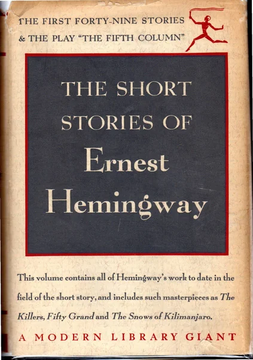
Ernest Hemingway
Best for: General readers and students who want a single, durable Modern Library hardcover gathering Hemingway's most celebrated short fiction — from the Nick Adams cycle to "Hills Like White Elephants" — without the critical apparatus of a scholarly edition.
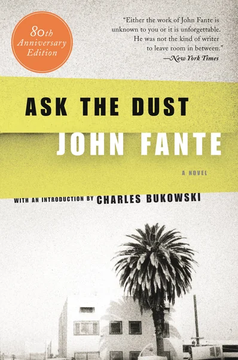
John Fante
Best for: Serious readers of American fiction who are drawn to the literature of place — Los Angeles in particular — or to the tradition of autobiographical modernism and raw, self-lacerating confessional prose.
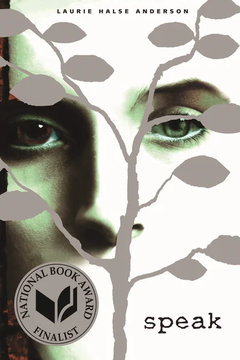
Laurie Halse Anderson
Best for: Young readers aged 12 and up — particularly those in grades 7–9 — navigating questions of consent, identity, and self-expression, as well as adults who want to understand why this novel has held such a singular place in YA literature for over two decades.
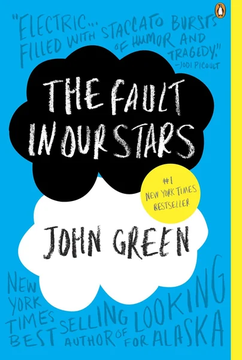
John Green
Best for: Readers aged 14 and up — and well beyond — who want a love story that takes mortality seriously, written with sharp wit and genuine literary intelligence rather than sentimental softening.
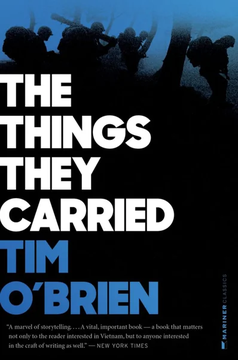
Tim O'Brien
Best for: Readers drawn to questions of how stories carry moral weight — particularly those curious about the Vietnam War's human realities, students of literary craft, or anyone willing to engage with a narrative that deliberately destabilises its own claims to factual truth.
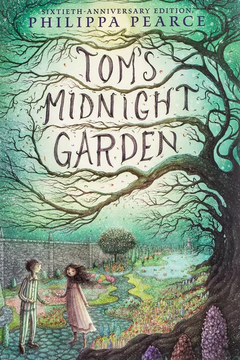
Philippa Pearce
Best for: Children aged eight to twelve — and the adults and educators who share books with them — who are drawn to emotionally precise, atmospherically rich fantasy and have the patience for a mystery that unfolds through accumulation rather than action.
