At a glance

A People's History of the United States
by Howard Zinn
LuvemBooks Verdict
Best for: Readers drawn to bottom-up American history — labor movements, Indigenous perspectives, civil rights, and the tradition of political dissent — who want a foundational text that reoriented what counts as history and who counts as a historical subject.
Worth it? Skip it? Read the full verdict →Ask LuvemBooks
Was this helpful?
- Is it worth reading?
- For readers drawn to bottom-up history, labor and civil rights history, or the intellectual tradition of dissent in American political thought, A People's History of the United States offers an extraordinary accumulation of episodes and voices that dominant American historiography had long neglected. Its cultural reach — more than four million copies sold, widespread classroom adoption, a runner-up for the 1980 National Book Award — reflects genuine and lasting influence on how history is taught and written. The honest caveat is that the book carries well-documented liabilities: Kirkus Reviews argued it 'merely reversed the image' of the one-sided history it set out to correct, and historians Chris Beneke and Randall J. Stephens have cited blatant omissions, uncritical reliance on biased sources, and a failure to engage with opposing interpretations. Committed readers will get the most out of it by treating it as an essential, if transparently polemical, entry point rather than a comprehensive survey.
- Similar books
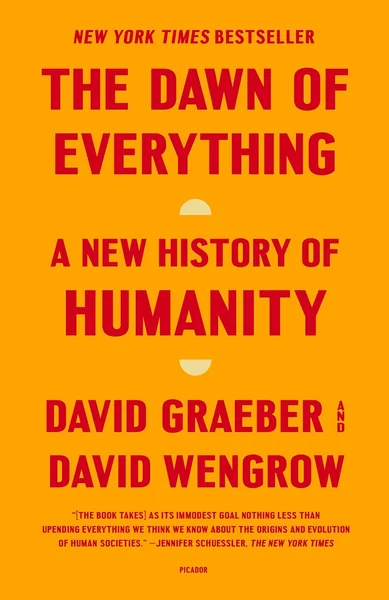
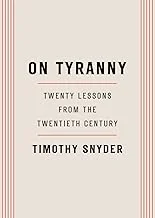
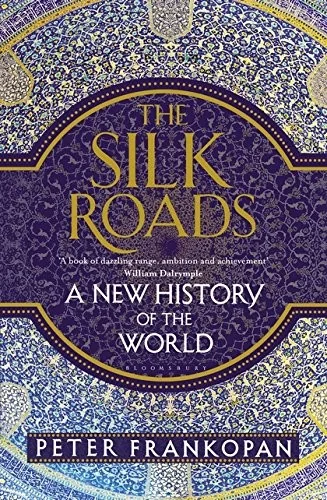
- Readers who respond to A People's History of the United States' challenge to conventional narratives will find rich companions in the curated titles below. David Graeber's The Dawn of Everything: A New History of Humanity similarly upends received wisdom about human societies and political organization. Yuval Noah Harari's Sapiens: A Brief History of Humankind takes a sweeping, provocative approach to the long arc of human history. Peter Frankopan's The Silk Roads: A New History of the World reorients world history away from its usual Western center, much as Zinn reorients American history away from its elite actors. Timothy Snyder's On Tyranny: Twenty Lessons from the Twentieth Century shares Zinn's concern with power, dissent, and resistance. Jared Diamond's Guns, Germs, and Steel: The Fates of Human Societies offers a structural account of why some societies dominated others — a question Zinn's book interrogates from a very different direction.
- Who should read this?
- A People's History of the United States is best suited to readers drawn to bottom-up histories, labor and civil rights history, or the intellectual tradition of dissent in American political thought. It is widely assigned in U.S. high schools and colleges, making it an important reference for students and educators engaging with American historiography. Readers who want a comprehensive, multi-perspective survey that weighs competing interpretations will need to supplement it with other works — A People's History is, by design, a polemic, and it is most rewarding for those who approach it as such.
- About Howard Zinn
- Howard Zinn (1922–2010) was a historian and playwright. He is also the author of Emma, a play.
- What are the main themes?
- The central theme is that American political and economic history is best understood as the exploitation and manipulation of the many by systems rigged in favor of a small elite — one that spans the orthodox political parties. From that premise, the book develops interconnected themes of Indigenous dispossession, the experience of enslaved Africans, labor organizing and workers' struggles, the suppression of dissent surrounding American military interventions, and the long history of women's and immigrants' resistance. A recurring structural argument is that mainstream historiography's focus on presidents, wars, and institutions has obscured these stories, and that recovering them is itself a political act.
- Has it won any awards?
- A People's History of the United States was a runner-up for the National Book Award in 1980, the year of its original publication. In 2003, Zinn received the Prix des Amis du Monde Diplomatique for the French edition of the book. Beyond formal awards, its cultural reach — more than four million copies sold in English, translations into more than a dozen languages, and widespread adoption in U.S. high schools and colleges — speaks to an influence that has outlasted most award cycles.
Summarize this book
Follow up
Synthesized from verified book data & published reviews · How we review
Press Enter to ask. Answers come from our editorial Q&A — start typing to see related questions.
Age & Reading Level
Recommended age
Adult
Reading level
Adult
3 content notes · who it suits
Content to know about
Skip if you want a balanced, multi-perspective survey of American history that weighs competing scholarly interpretations against each other.
Editorial Review
Howard Zinn's A People's History of the United States is a foundational and fiercely debated work of American nonfiction that reorients the national story away from presidents, wars, and institutions toward the laborers, enslaved people, Indigenous nations, women, and dissidents who shaped — and resisted — the country from below. Originally published in 1980 and revised multiple times through events covering 2002, it has sold more than four million copies in English and been translated into more than a dozen languages, cementing its status as one of the most widely read and argued-over works of American history ever written.…
Read the Full ReviewBooks like A People's History of the United States
Curated picks for readers who enjoyed A People's History of the United States, with our reasoning for each match.
If you liked A People's History of the United States